
Freedom of religion
Right to choose, change, practice or abstain from religion; legal protections, historical roots, common forms, limits, and examples of restriction worldwide.
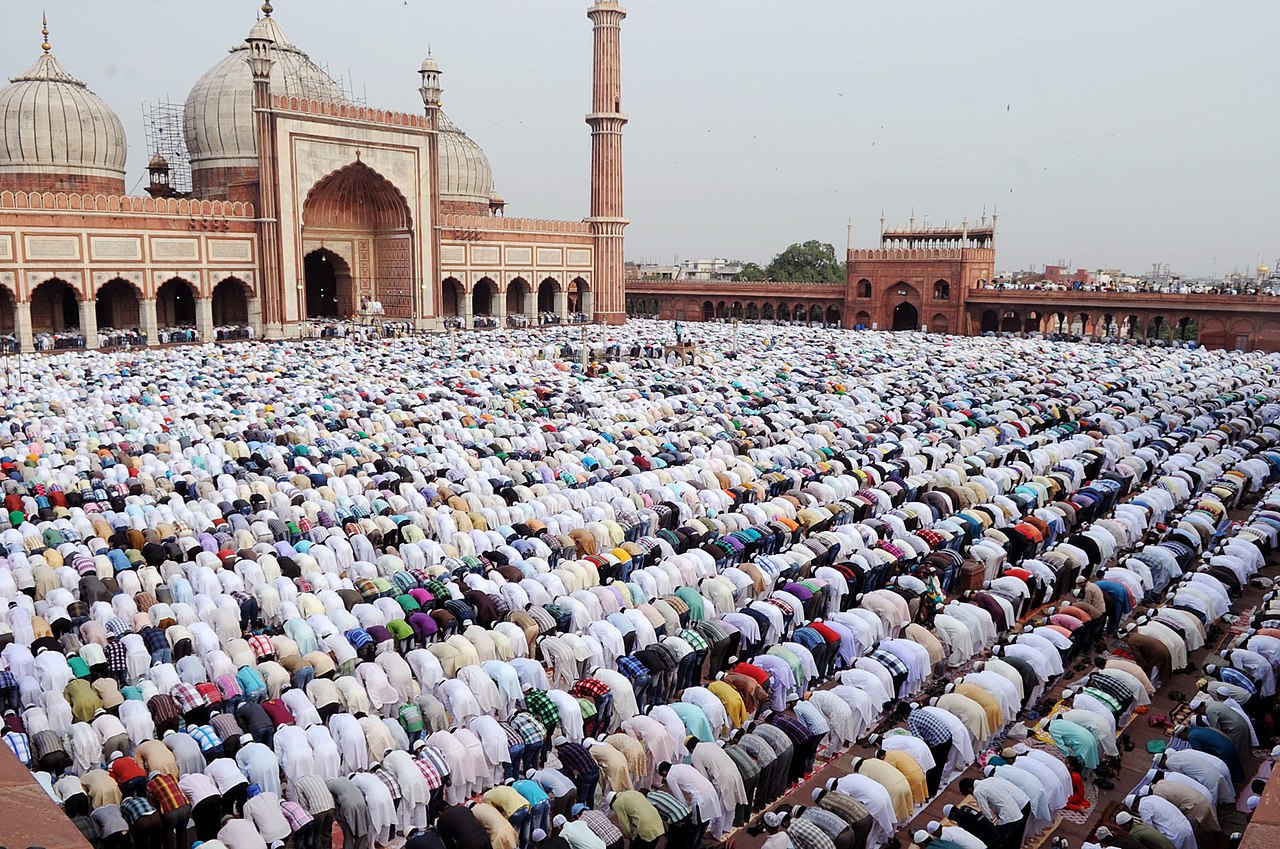
Freedom of religion is the principle that individuals may adopt, change, practice or refrain from any religious faith without coercion by the state or other actors. It covers both the right to hold beliefs privately and the right to manifest those beliefs publicly, subject to lawful restrictions for public safety, health, or the rights of others. In everyday language this freedom means people can join any religion they choose or follow no religion at all.
Image gallery
10 Images




Key components
Legal and social protections for religious freedom typically include several related rights:
- Belief: the freedom to form and change religious convictions.
- Worship: the ability to pray or hold services, alone or in community.
- Expression: teaching and sharing religious ideas.
- Institutional autonomy: groups may organize, run institutions and educate adherents.
- Conscientious exemption: limited defenses for acts of conscience, balanced with other obligations.
These components are implemented differently across legal systems. Some countries enshrine them in constitutions or human-rights instruments, while others rely on statutes and court decisions to define their scope.
Historical background and development
The concept of religious liberty evolved over centuries. In many parts of the world, state religions, compulsory worship, or punishment for dissent had been common until modern ideas of individual rights and pluralism emerged. Debates about the proper balance between communal order and personal conscience shaped legal protections in the 17th–20th centuries and continue to influence policy today.
Restrictions, abuses, and notable examples
No right is absolute; governments may lawfully limit manifestations of belief when necessary to protect public safety, health or the rights of others. Nevertheless, restrictions can become abuses when they target specific groups, suppress dissent, or punish belief. Actions against religious freedom may include discrimination, denial of registration for religious groups, restrictions on worship, or criminal penalties for religious activity—forms of persecution that human-rights monitors document.
Contemporary concerns have been raised in a variety of settings. Some states have been criticized for imposing tight controls on religious organizations and practices; for example, international observers have reported limitations on worship and association in places such as Cuba, North Korea and China. At the same time, other societies face threats from non-state actors, social discrimination, or legal restrictions favouring one faith.
Understanding freedom of religion requires attention to legal texts, court rulings, and social realities. Defenders of the right emphasize both individual conscience and pluralism, while policymakers must weigh competing rights and public interests. The result is a diverse global landscape in which the promise of religious freedom is realized in varying degrees and forms.
Related articles
Author
AlegsaOnline.com Freedom of religion Leandro Alegsa
URL: https://en.alegsaonline.com/art/36496