
Forced labor: definition, forms, history and international response
An overview of forced labor: what it is, common forms (debt bondage, trafficking, servitude), legal definitions, causes, global scale estimates, and measures to prevent and remedy it.
Forced labor refers to work or services performed by a person against their will, typically under coercion, deception or the threat of punishment. International bodies and most national laws treat it as a severe human-rights violation and a form of modern slavery. The International Labour Organization has long provided a working definition and framework for action; its instruments describe forced labor as work exacted under the menace of a penalty and without voluntary consent, and they set out exclusions and obligations for states and employers. International Labour Organization is a primary international source for that definition.
Image gallery
9 Images


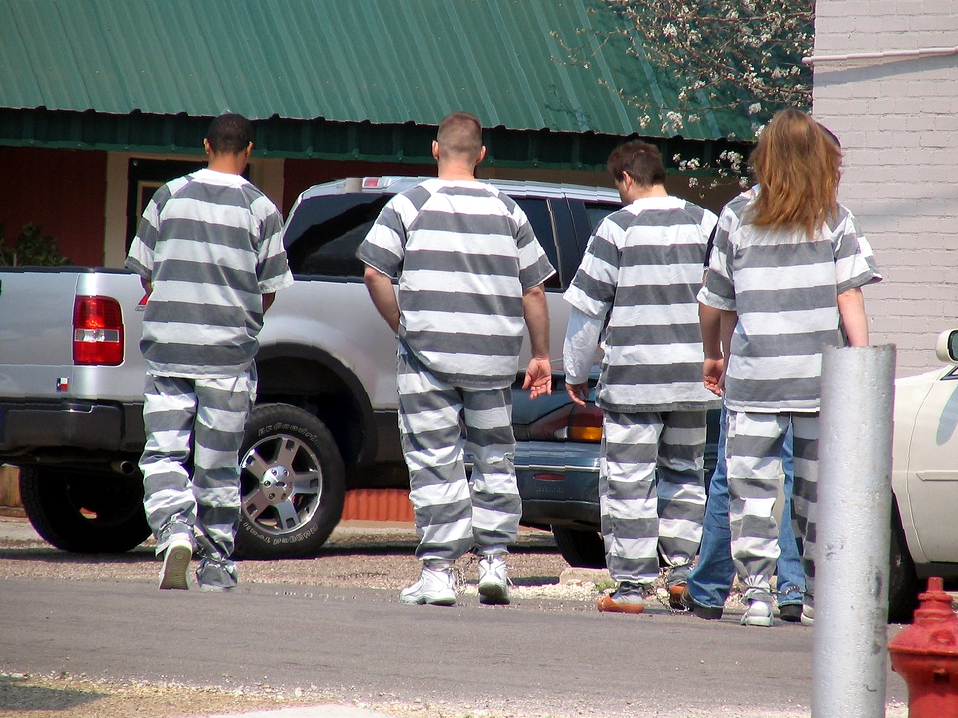

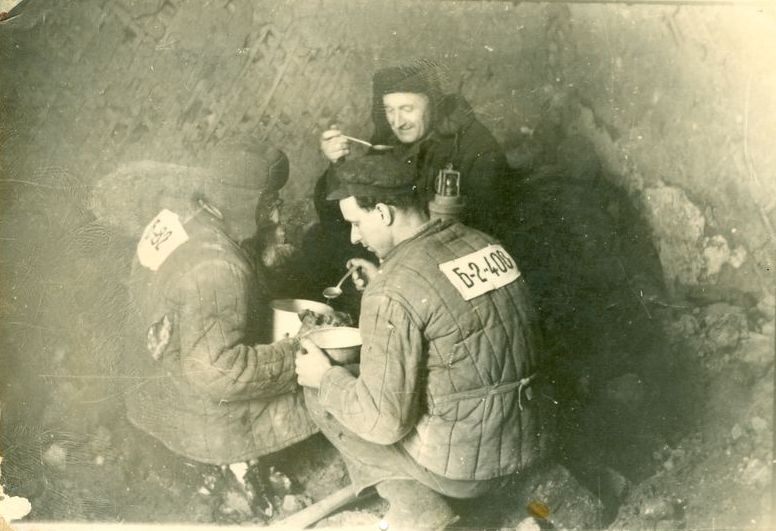
Common forms and characteristics
Forced labor appears in multiple, sometimes overlapping, forms. Key patterns include controlled movement, withheld wages or identity documents, threats to the person or their family, and restrictions on leaving the workplace or residence. Examples often listed are:
- Slavery and practices that treat people as property.
- Debt bondage, where debts or inflated charges trap a person into prolonged work.
- Serfdom, a historical form of tied agricultural labor that persists in adapted forms in some contexts.
- Human trafficking, where people are recruited, transported or harbored for exploitation through force, fraud, or coercion.
- Operation of labor camps and other detention-based systems that compel work.
Legal definitions, exceptions and supervision
The ILO's Forced Labour Convention (No. 29) framed an early global definition: work exacted under the menace of any penalty without voluntary consent. That instrument and later measures clarify certain exceptions and supervisory requirements. For example, compulsory service within regular armed forces is treated differently from forced labor for commercial gain; see references to military service. Activities imposed as genuine community service or as part of a lawful sentence on someone convicted and serving a prison sentence may be distinguished from illicit forced labor, provided such work is supervised by public authorities rather than private actors; the convention itself addresses supervision and prohibits delegation of convict labour to private parties. See the convention text and related guidance for specifics: Forced Labour Convention and commentary, including rules about private supervision (private supervision).
Causes, mechanisms and indicators
Drivers of forced labor include extreme poverty, migration with limited legal protections, discrimination, conflict, and weak rule of law. Common mechanisms that create or sustain coercion are threats of violence or deportation (menace or threat), withholding wages or identity documents, deceptive recruitment, and punitive measures or reprisals (punishment) if a person tries to leave. A core indicator is that the person is working against their will because they cannot refuse or escape the situation.
Scale, consequences and notable facts
Estimating the number of people in forced labor is challenging because the crime is hidden, mobile and often underreported. Various international organizations and studies put the global figure in the tens of millions; some estimates cite more than 29 million people worldwide (global estimate). National estimates vary—some studies suggest there are tens of thousands of victims in the United States (U.S. estimate)—but methodologies and definitions affect results. Beyond the human-rights harms, forced labor undermines economic fairness, fuels illicit markets and damages social cohesion.
Responses and prevention
Responses combine criminal law, victim protection, labour inspections, migration policy, corporate responsibility and survivor rehabilitation. International instruments, national laws, non-governmental organizations and business-led due-diligence processes aim to prevent exploitation, identify victims, prosecute offenders and provide remedies. Because forced labor intersects with trafficking, migration and informal employment, coordinated cross-border and multi-sector responses are essential to reduce vulnerability and to dismantle exploitative networks.
For further reading and primary texts see links to international instruments, implementation resources and thematic studies: slavery overview, debt bondage, serfdom, human trafficking, and institutional pages such as the ILO or texts referenced in the Forced Labour Convention. Additional contextual resources and data portals are available through organizations and research centers that monitor and support victims of forced labour.
Questions and answers
Q: What is forced labor?
A: Forced labor is any work or service a person is forced to do against their will, usually with the threat of some form of punishment.
Q: Who defines forced labor?
A: The International Labour Organization (ILO) has defined forced labor in the Forced Labour Convention, 1930 (No. 29).
Q: Are there any exceptions to this definition?
A: Exceptions include work done while serving in a military organization, community service when the work serves the community, and anyone convicted and serving a prison sentence. Convict labor must be supervised by public officials and not private individuals, companies or organizations.
Q: How many people are living as slaves today?
A: There are over 29 million people living as slaves today.
Q: How many slaves are estimated to be living in the United States?
A: There are an estimated 60,000 slaves living in the United States. This includes prostitutes and sex workers, illegal immigrants and those held in debt bondage.
Q: What types of activities does slavery include?
A: Slavery includes all forms of slavery and related practices including debt slavery, serfdom, human trafficking and labor camps.
Related articles
Author
AlegsaOnline.com Forced labor: definition, forms, history and international response Leandro Alegsa
URL: https://en.alegsaonline.com/art/35542
Sources
- antislavery.org : "FORCED LABOUR"
- ilo.org : "International Labour Standards on Forced labour"
- washingtonpost.com : "This map shows where the world's 30 million slaves live. There are 60,000 in the U.S."
- state.gov : "What is Modern Slavery?"
- commons.wikimedia.org : Forced labor