
Separation of Church and State
Principle that government and organized religion should remain institutionally distinct to protect religious freedom and prevent state endorsement of religion.
Overview
The phrase "separation of church and state" describes a political and legal principle that government institutions should remain independent from religious institutions. In modern discussions it is used to express two related aims: preventing the state from establishing or favoring a particular religion, and protecting citizens' freedom to practice religion without government interference. In the United States the idea is grounded in the First Amendment to the Constitution and was famously articulated by Thomas Jefferson in a letter to the Danbury Baptist Association.
Image gallery
10 Images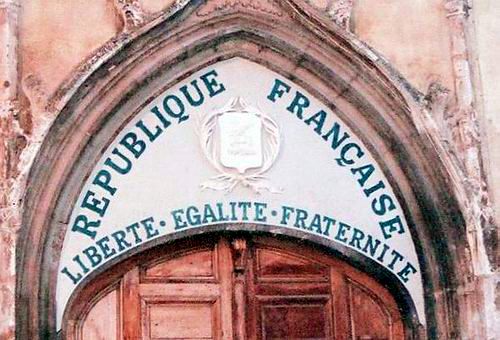




Key features and ways it is applied
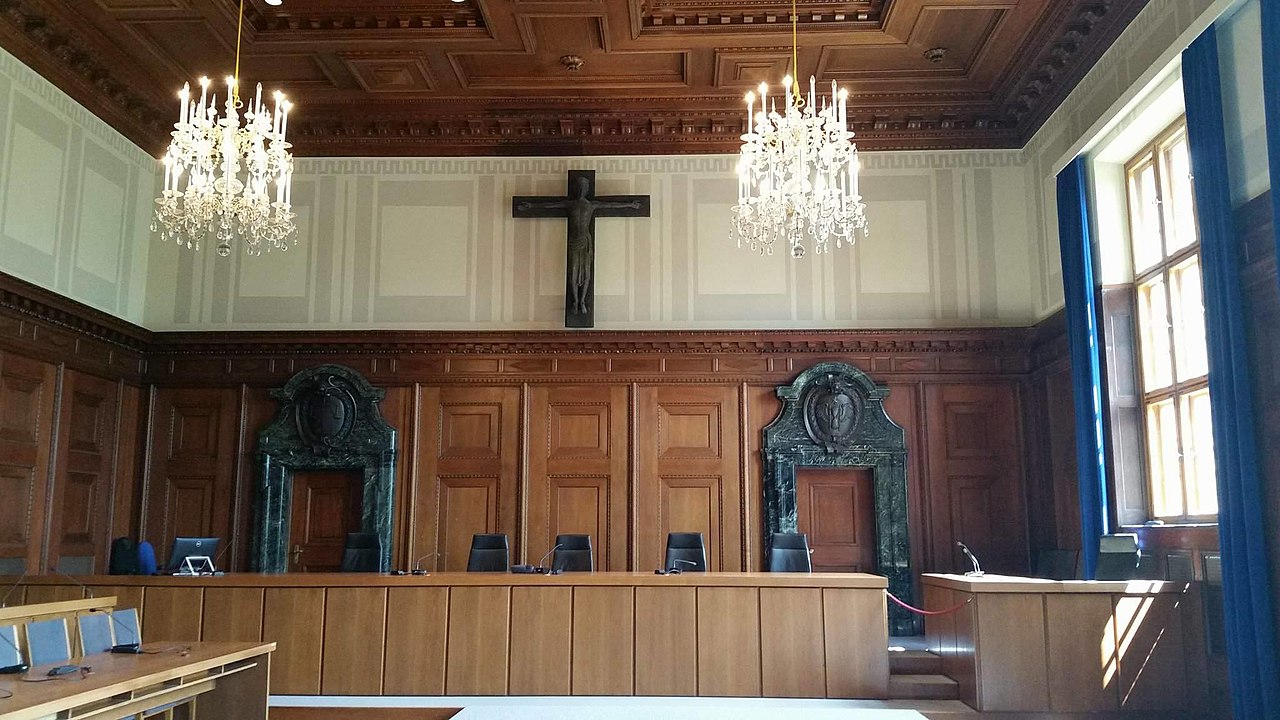
How separation is implemented varies by country and legal system. Typical features include prohibitions on state-sponsored religion, limits on religiously based laws that apply to everyone, and rules about religious activity in public institutions such as schools and courts. Separation can be strict—minimizing any official ties—or accommodative—allowing some cooperation while avoiding endorsement.
History and legal development
While the Constitution of the United States does not use the phrase, courts and commentators have long interpreted the First Amendment's religion clauses to require some level of institutional distance. Landmark U.S. cases that shaped doctrine include the Supreme Court decisions that limited school-sponsored prayer and religious instruction in public schools, notably decisions in the 1960s. The federal judiciary has developed tests and standards over time to decide when government action crosses the line into establishment or unlawfully burdens free exercise.
Forms and international variation
- Strict secularism (laïcité): A firm institutional separation and minimal public role for religion; often associated with France.
- State church models: Countries such as the United Kingdom have historical established churches but also protect a range of religious freedoms.
- Pluralist accommodation: Many democracies permit public funding for religious schools or allow faith-based activities under regulated conditions.
Issues, examples, and debates
Practical controversies include religious symbols in public spaces, the role of prayer or religious instruction in public schools, funding for faith-based social services, and exemptions to general laws on conscience grounds. Court systems often balance competing values: preventing government endorsement of religion while avoiding undue restrictions on private religious exercise. In the United States, decisions by the Supreme Court of the United States on matters such as public school prayer have been especially influential in defining boundaries.
Overall, separation of church and state is a widely used, flexible principle aimed at protecting both democratic governance and religious liberty. Its precise meaning depends on history, law, and political consensus in each society.
Related articles
Author
AlegsaOnline.com Separation of Church and State Leandro Alegsa
URL: https://en.alegsaonline.com/art/88895