
Falkland Islands wolf (warrah) — the extinct canid of the Falklands
Dusicyon australis, the warrah, was the only native land mammal of the Falklands. Observed by Darwin and driven to extinction by human activities; likely reached the islands via a former ice connection.
Falkland Islands wolf (Dusicyon australis), commonly called the warrah, Falkland Islands dog, or Falkland Islands fox, was a small canid once endemic to the Falkland Islands. It is the only known native terrestrial mammal of the islands and is notable both for its isolated insular existence and for its extinction in the 19th century; the last confirmed individual died in 1876. Naturalists of the era, including Charles Darwin during the voyage of the Beagle, recorded its presence and behaviour while the species still survived on the islands (Falkland Islands).
Image gallery
10 Images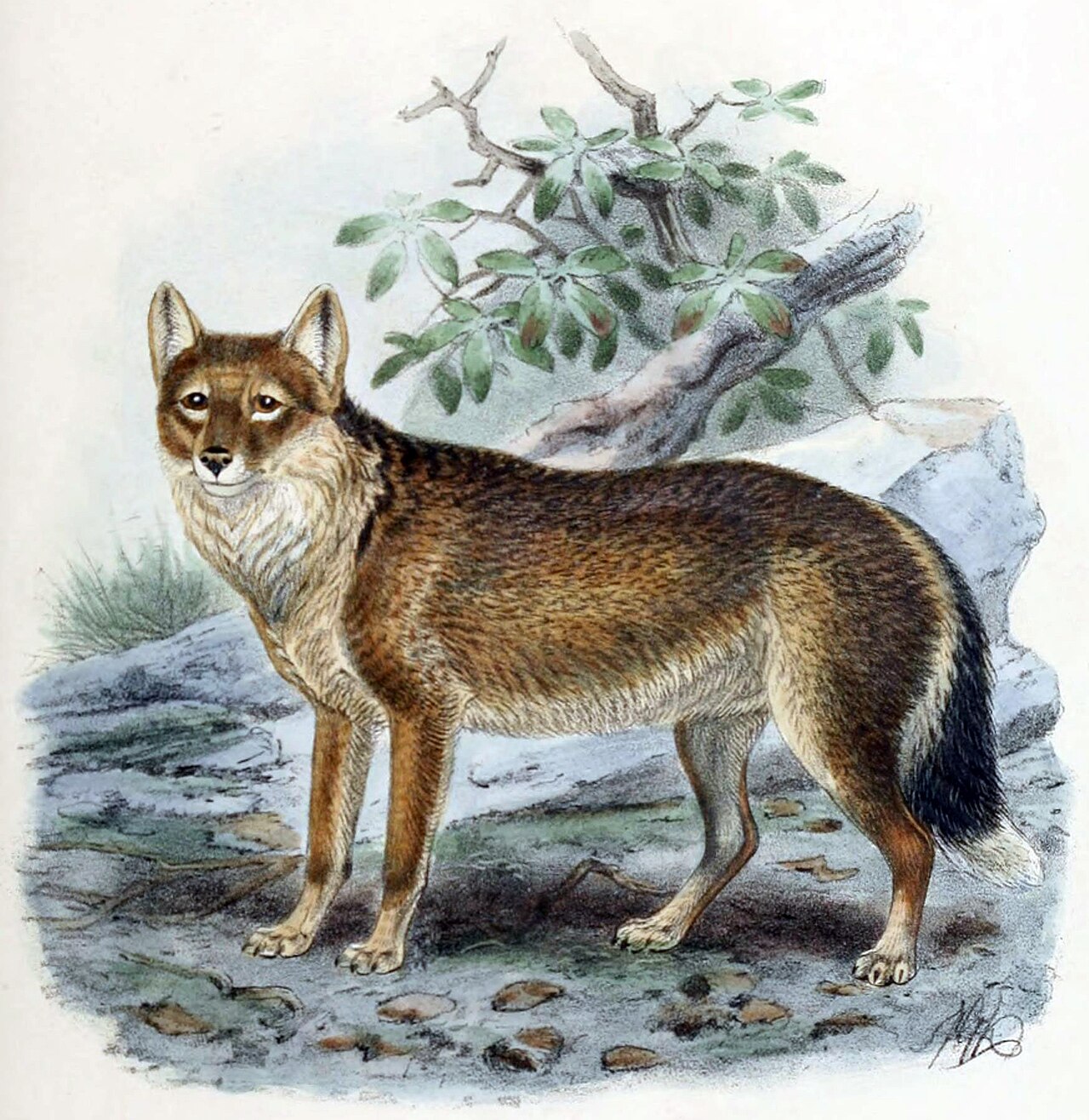



Characteristics
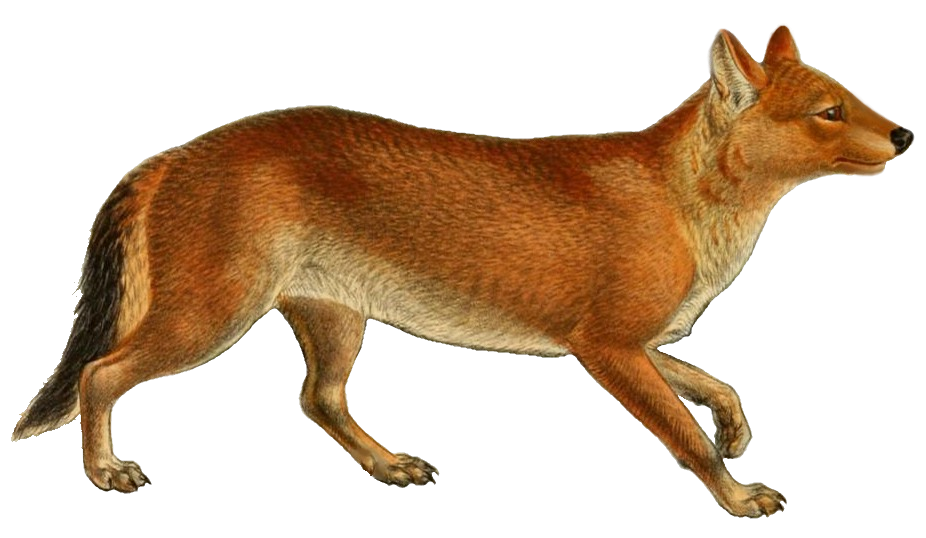
The warrah had a fox-like appearance rather than resembling the larger gray wolf. Contemporary descriptions and preserved skins indicate a slender body, relatively short legs and a coat of tawny to reddish-brown fur. Diets compiled from early observers and museum specimens suggest an opportunistic feeder: it took seabirds such as penguins, scavenged seal carcasses, hunted smaller animals, and consumed plant matter when available. Typical prey items reported included penguins (penguins), seals (seals) and various vegetation (plant foods). Observers also noted that the animals showed little fear of people, a trait that contributed to their vulnerability.
Origins and dispersal
How a canid colonized the Falklands has been a subject of debate. One older hypothesis proposed that indigenous peoples from Tierra del Fuego, such as the Yaghan, brought domestic dogs to the islands, and that these dogs later became feral (Yaghan). That view has been questioned because the islands lie far offshore and are separated by rough seas, making regular canoe crossings unlikely. The currently more accepted explanation is that during colder periods of the Pleistocene a temporary ice or land connection allowed mainland South American canids to cross to the islands, after which an isolated population evolved distinctive features (former ice connection). Genetic studies support a close relationship between the warrah and other South American canids, indicating a mainland origin followed by long isolation.
Extinction
The disappearance of the warrah was driven primarily by human actions after sustained settlement of the islands. Settlers and shepherds considered the canids a threat to sheep and livestock and engaged in active persecution. Other contributing factors included habitat alteration, competition and disease introduced by domestic dogs, and persecution by hunters and shepherds. The decline was rapid once sustained hunting began, and by the late 19th century the species was extinct in the wild.
Legacy and significance
Today the warrah is often cited as an example of island vulnerability and the rapid impact of human colonization on isolated fauna. Specimens preserved in museums and contemporary field notes remain important sources for understanding its biology and the broader processes of insular evolution and extinction. The warrah’s story has influenced conservation thinking about preventing similar losses on islands and highlights the value of early protection for endemic species.
- Scientific name: Dusicyon australis (commonly called warrah).
- Last confirmed death: 1876; extinction largely due to human persecution.
- Notable observer: Charles Darwin recorded the species during the Beagle voyage.
For further reading on the islands and their natural history, consult regional overviews and museum collections that preserve warrah material and associated records (Falkland Islands). Additional resources cover the species' diet (penguins), scavenging behaviour around marine mammals (seals), plant consumption (vegetation), hypotheses about human-mediated movement (Yaghan), and geological explanations for colonization such as Pleistocene connections (ice bridge).
Related articles
Author
AlegsaOnline.com Falkland Islands wolf (warrah) — the extinct canid of the Falklands Leandro Alegsa
URL: https://en.alegsaonline.com/art/33348