
Mole salamander (Ambystoma)
Mole salamanders (genus Ambystoma) are North American amphibians known for burrowing adults, aquatic larvae, and variable life histories including neoteny; some species are popular pets and important research animals.
Overview: Mole salamanders belong to the genus Ambystoma, the single genus placed in the family Ambystomatidae. Native to much of temperate North America, they are generally terrestrial as adults but depend on standing water to breed. The common name refers to the adults’ tendency to spend much time underground, often in mammal burrows or deep leaf litter.
Image gallery
10 Images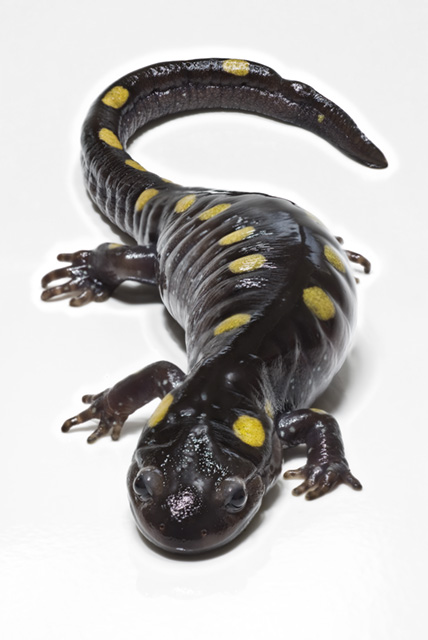




Characteristics and variation
Mole salamanders are typically robust, with short limbs, a well-developed tail and smooth skin. Sizes range from small to fairly large among species; coloration varies from cryptic browns to boldly patterned forms. Many species have noticeable costal grooves along the body. A distinctive biological feature in this group is the occurrence of paedomorphosis — some populations or species retain larval gills and an aquatic lifestyle into sexual maturity.
Life cycle and behavior
Most Ambystoma lay eggs in ponds, pools or slow-moving water. Larvae are aquatic predators that metamorphose into terrestrial adults unless conditions favor retention of larval traits. Many species undertake seasonal migrations to breeding ponds and show site fidelity. Adults forage at night for invertebrates, and their secretive, fossorial habits reduce predation risk.
Notable species and human connections
- Axolotl (Ambystoma mexicanum): famous for lifelong paedomorphosis; widely kept in captivity as an exotic pet (pet trade) and used extensively in laboratory research (scientific studies) because of remarkable regenerative abilities.
- Tiger salamander (Ambystoma tigrinum): a large, widespread species often encountered in North America; it is commonly kept as a pet in some regions and serves as an emblematic amphibian for several U.S. states.
- Other species, such as the spotted salamander and small-mouthed forms, illustrate the genus’s ecological diversity.
Conservation and significance
Mole salamanders face threats from habitat loss, wetland drainage, road mortality during migrations, introduced predators and diseases such as chytrid fungi and ranaviruses. Some populations have been stabilized by habitat protection, creation of breeding ponds and captive-breeding programs. As both predators and prey in forest and wetland food webs, and as sensitive indicators of environmental health, Ambystoma species have ecological and scientific importance.
Because of their varied life histories, ease of observation during breeding migrations and, in a few cases, extraordinary regenerative ability, mole salamanders remain subjects of conservation concern and scientific interest. Responsible pet ownership and support for wetland conservation reduce risks to wild populations.
Related articles
Author
AlegsaOnline.com Mole salamander (Ambystoma) Leandro Alegsa
URL: https://en.alegsaonline.com/art/3326