
American Bobtail (cat breed)
A North American cat breed noted for its naturally short "bobbed" tail caused by a dominant mutation; robust, adaptable, and recognized by major cat associations for companionship and show.
Overview
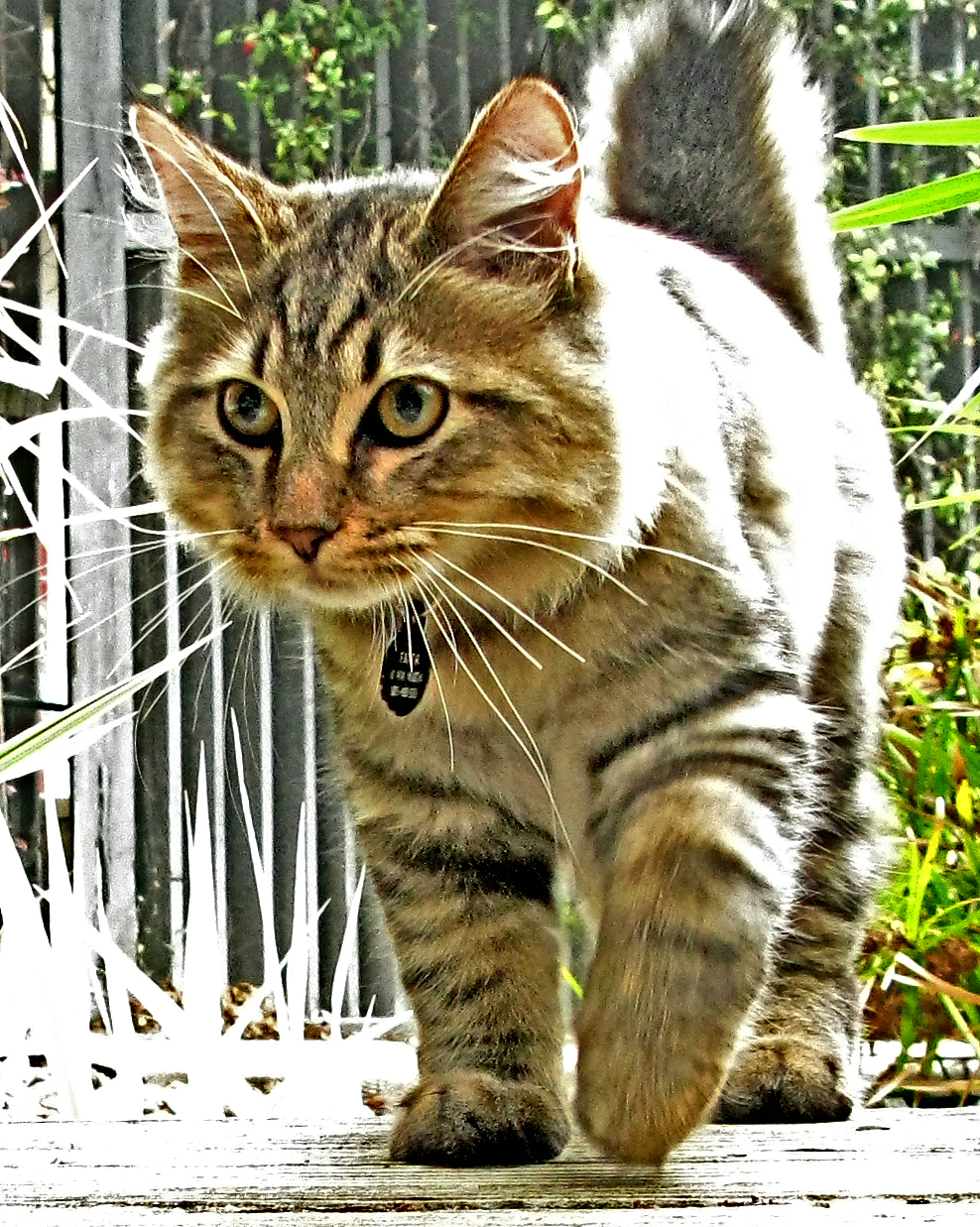
The American Bobtail is a domestic cat breed best known for its short, "bobbed" tail and rugged, wild-appearing look. The tail typically measures about one-third to one-half the length of a typical domestic cat's tail, producing a distinctive short silhouette while leaving the spine and mobility generally intact. The breed combines a muscular body, broad head and expressive eyes with a coat that can be either short or long.
Image gallery
3 Images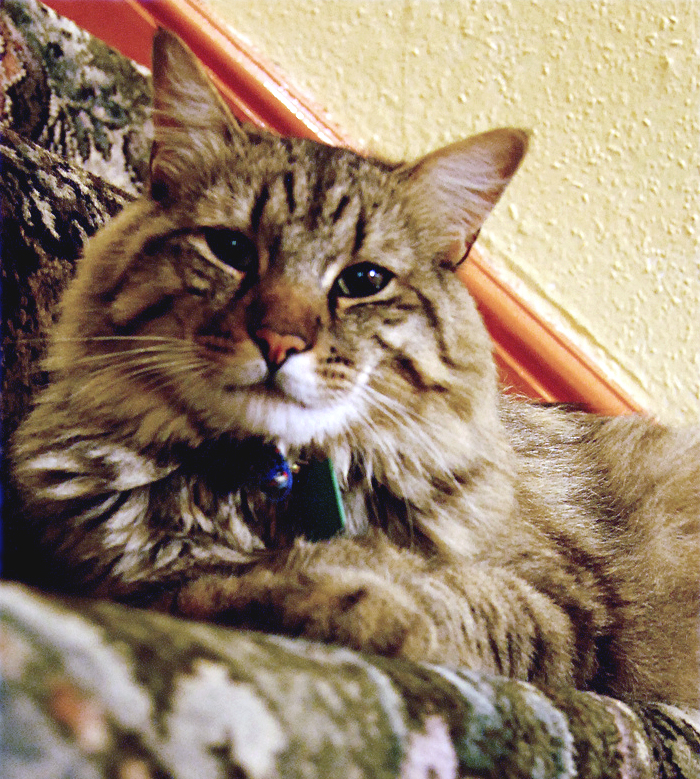

Appearance and genetics
Key physical traits include a sturdy, medium-to-large frame, medium-length legs, and a tail that ranges from a small stub to a longer kinked stub. Coat colors and patterns are diverse. The short tail is the result of a naturally occurring genetic mutation; unlike the Manx, the American Bobtail's trait is associated with a dominant gene that produces the bobbed tail without the same high risk of severe spinal deformities. For an introduction to breed standards or official descriptions see breed registry information and consult basic resources on genetics.
History and development
The American Bobtail emerged in the United States in the late 20th century from naturally short-tailed cats and selective breeding to preserve the bobtail trait while promoting sound health and a domestic temperament. Enthusiasts worked to establish consistent type and temperament, and the breed later gained recognition from major feline organizations and competitive cat show registries. For contrast with similar short-tailed breeds, compare with the Manx and the Japanese Bobtail which have different genetic mechanisms for tail length.
Temperament, care and uses
American Bobtails are widely described as friendly, intelligent and adaptable. They often exhibit playful, dog-like behaviors—such as fetching, following people and forming strong bonds with families. Basic care includes routine veterinary checks, regular grooming adapted to coat length, and mental stimulation through play. They make popular companion animals and appear in both home life and cat shows.
Distinctions and notable facts
- The bobbed tail in this breed is caused by a dominant form of inheritance; the genetic basis differs from that of the Japanese Bobtail, which involves recessive inheritance patterns. See a simple comparison of dominant vs. recessive traits.
- Although superficially similar to other short-tailed cats, the American Bobtail is a separate breed with its own conformation and temperament standards maintained by breed organizations.
- Responsible breeders focus on preserving healthy structure and temperament while avoiding the serious spinal problems associated with some other tailless or short-tailed mutations.
For more detailed, registry-specific information and care guides consult official breed clubs and veterinary resources: registration bodies, basic genetics primers, and comparative breed pages such as those for the Manx and Japanese Bobtail.
Questions and answers
Q: What is the American Bobtail?
A: The American Bobtail is a breed of cat.
Q: What is unique about the American Bobtail's tail compared to other cats' tails?
A: The American Bobtail's tail is short "bobbed" about one-third to one-half the length of a normal cat's tail due to a genetic mutation that affects the way their tail develops.
Q: Does the American Bobtail have the same genetic mutation for their tail as the Manx cat?
A: Yes, the genetic mutation that causes the bobbed tail happens with the Manx cat as well.
Q: Does the American Bobtail belong to the same cat breed family as the Japanese Bobtail?
A: No, the American Bobtail does not belong to the same cat breed family as the Japanese Bobtail.
Q: Are there differences in the genetic mutations for the bobbed tails of the American Bobtail and the Japanese Bobtail?
A: Yes, the genetic mutations for their bobbed tails are different because the gene for the American Bobtail's tail is dominant and the Japanese Bobtail's is recessive.
Q: How does the American Bobtail's tail mutation affect their appearance?
A: The American Bobtail's tail mutation gives them a distinct "bobbed" tail that is shorter than normal cat tails.
Q: How does the American Bobtail's tail mutation occur?
A: The American Bobtail's tail mutation occurs due to a genetic mutation that affects the way their tail develops.
Related articles
Author
AlegsaOnline.com American Bobtail (cat breed) Leandro Alegsa
URL: https://en.alegsaonline.com/art/3372
Sources
- animal.discovery.com : "Cat Breed Profile: American Bobtail" · web.archive.org
- fanciers.com : "Comparison: Japanese Bobtail, Manx and American Bobtail"