
American crocodile (Crocodylus acutus)
Coastal crocodile of the Americas, noted for its narrow, pointed snout, saltwater tolerance, and presence from southern Florida and the Caribbean into northern South America. Conservation status varies regionally.
Overview
The American crocodile (Crocodylus acutus) is a coastal crocodilian found in tropical and subtropical regions of the Americas. For general information on crocodilians consult broader resources such as crocodile guides. This species is commonly associated with brackish waters, mangrove swamps, lagoons and river mouths, and is more tolerant of saline conditions than many other crocodilians.
Image gallery
10 Images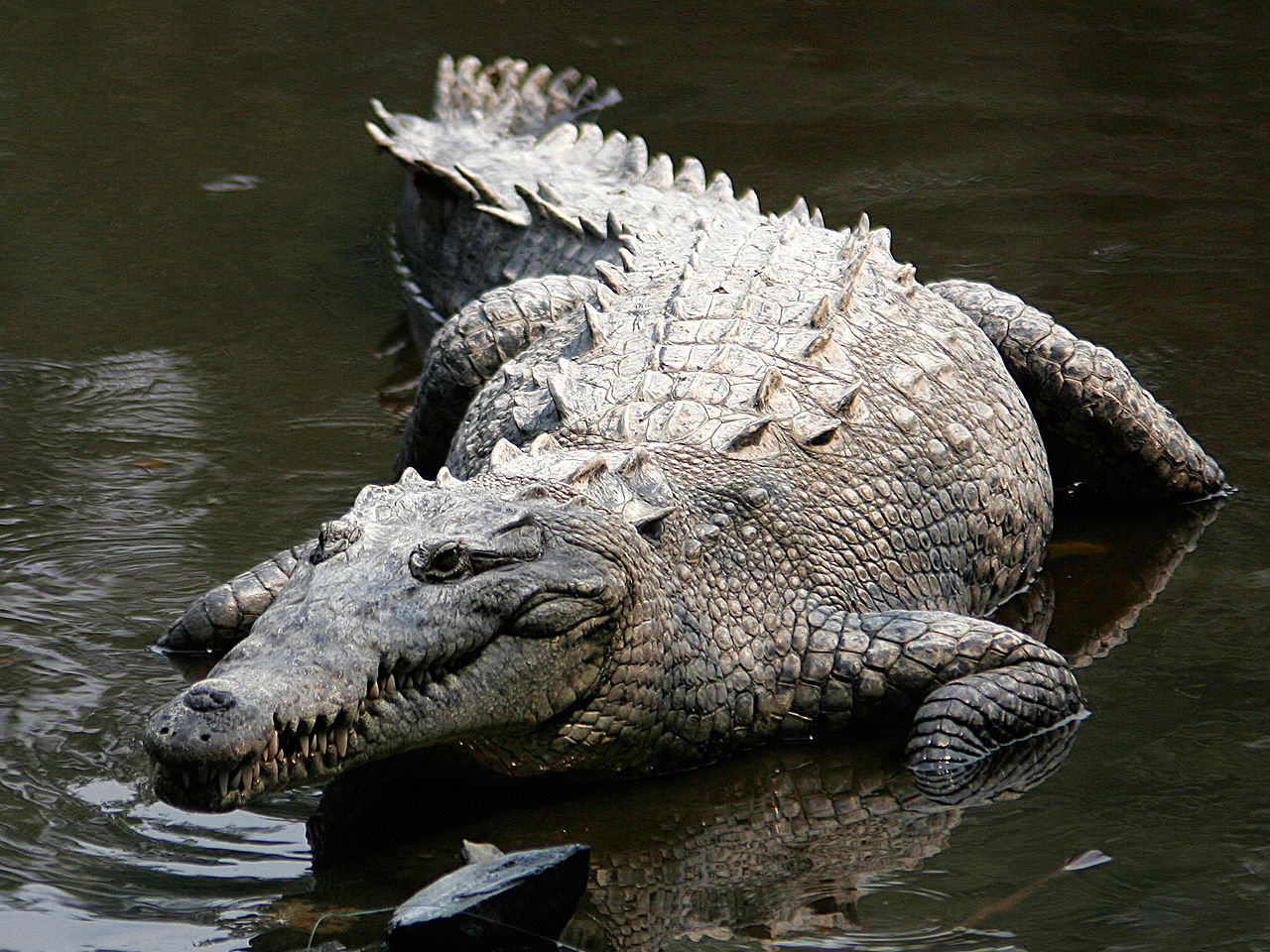



Range and habitat
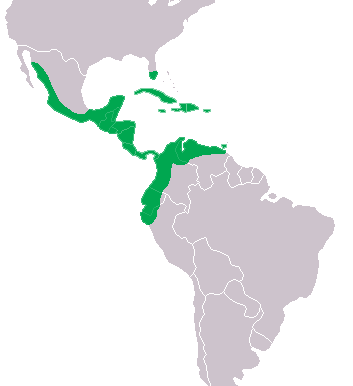
The species ranges from the southern tip of Florida and nearby islands in the United States through parts of Mexico and Central America, across many Caribbean islands, and into northern South America. Regional summaries and distribution maps can be found in continental overviews such as Americas accounts. More localized information is available in sources covering the southern United States and northern South America.
Physical characteristics
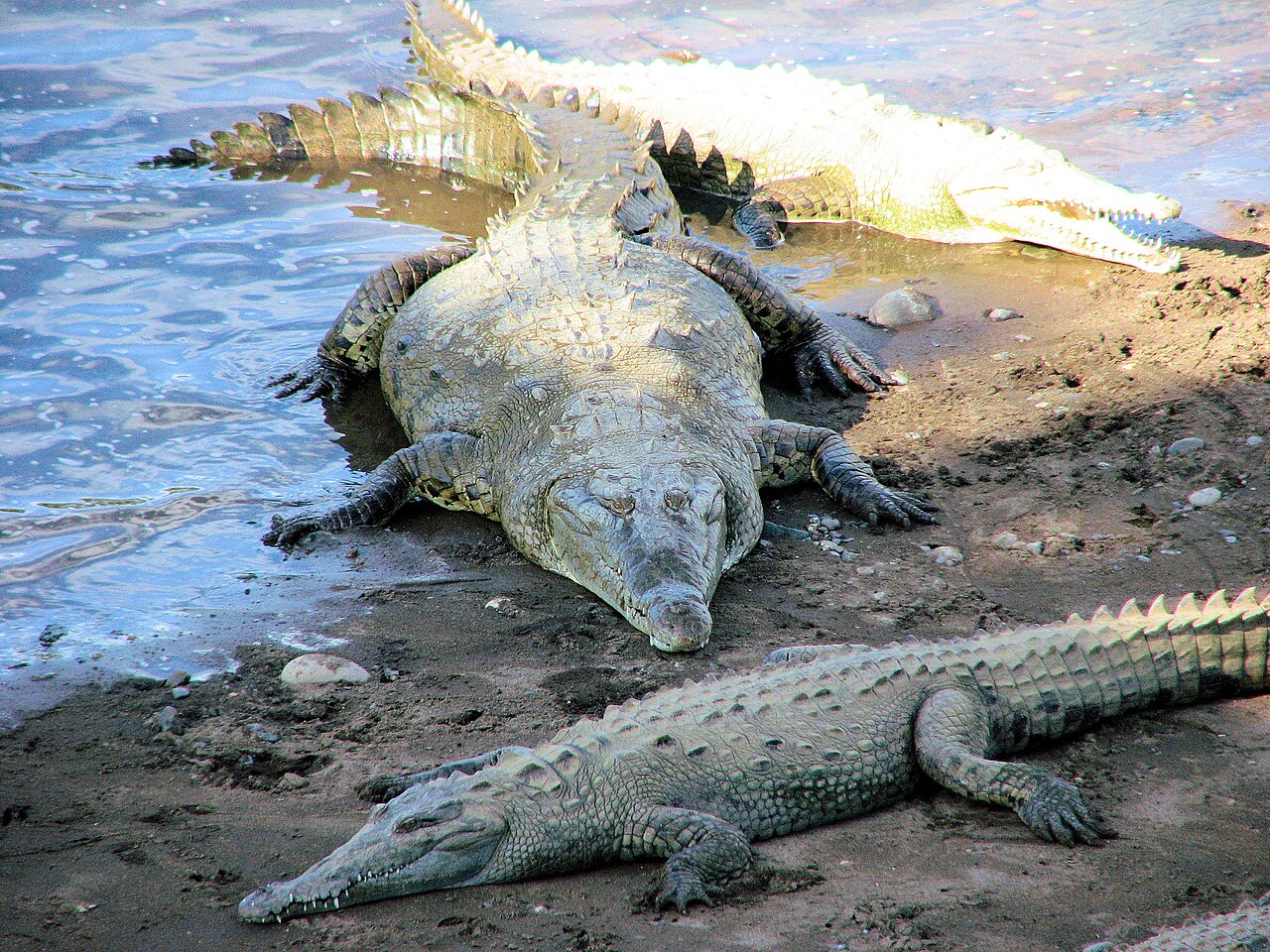
Adults are medium to large crocodiles with a relatively long, narrow, and pointed snout—hence the species name acutus, meaning "pointed". Coloration is usually gray-green to olive or brown and often lighter on the underside. They possess bony plates (osteoderms) along the back and a strong tail used for swimming. The jaws bear large conical teeth and the fourth lower tooth may be visible when the mouth is closed.
Behavior and diet
American crocodiles are principally ambush predators that feed on fish, crustaceans and a wide range of terrestrial animals that come within reach, including birds and mammals. They are often crepuscular or nocturnal hunters and will bask during daylight hours. Their salt tolerance enables coastal movements and occasional long-distance travel along shorelines.
Reproduction and lifecycle
Breeding involves nest construction in sandy banks or mounds of vegetation. Females guard nests and young for a period after hatching. As with other crocodilians, the sex of hatchlings is influenced by incubation temperature, and juvenile survival is affected by predation and habitat quality.
Conservation and threats
Populations declined in the 20th century due to hunting for hide and meat and from habitat loss and disturbance. Legal protection, habitat conservation, and local management have led to recovery in some areas, although threats persist where coastal development, pollution and human disturbance reduce nesting habitat and prey availability. Conservation status varies regionally and ongoing monitoring and management are important for sustaining populations.
Human interactions and safety
Conflicts with people are less frequent than with some other large crocodilians but can occur where humans and crocodiles share coastal or estuarine environments. Attacks on people are rare; caution, avoidance of feeding wild animals, and awareness of nesting sites reduce risk. Local regulations and public education are common components of coexistence strategies.
Similar species and identification
The American crocodile is often compared with the American alligator; it can be distinguished by its narrower, more pointed snout and its greater tolerance for saline waters. Field identification typically relies on head shape, tooth visibility when the mouth is closed, and habitat.
For more detailed regional information, species accounts and management guidance, consult the referenced overviews and local conservation resources listed above.
Questions and answers
Q: What species of crocodile is the American crocodile?
A: The American crocodile is a species of crocodile.
Q: Where does the American crocodile live?
A: The American crocodile lives in the Americas, usually moving from the southern United States to northern South America.
Q: What is the scientific name for the American crocodile?
A: The scientific name for the American crocodile is Crocodylus acutus.
Q: What does "Crocodylus acutus" mean?
A: "Crocodylus acutus" means "Pointy-snouted crocodile".
Q: Why is it called "Pointy-snouted"?
A: It is called "Pointy-snouted" because of the shape of its snout.
Related articles
Author
AlegsaOnline.com American crocodile (Crocodylus acutus) Leandro Alegsa
URL: https://en.alegsaonline.com/art/3385