
Amboise: Loire Valley town, Château d'Amboise and Leonardo da Vinci
Amboise is a historic commune in France’s Loire Valley, noted for the Château d'Amboise, Clos Lucé where Leonardo da Vinci spent his final years, riverside setting, troglodyte cellars and wine tourism.
Amboise is a historic commune on the banks of the Loire in France’s Loire Valley, administratively part of the Indre-et-Loire department. The commune covers about 41 km² and had a population of roughly 13,371 in 2014. Set on a commanding bend of the river, Amboise grew from a riverside settlement into a royal and cultural centre in the late Middle Ages and Renaissance, its skyline dominated by the Château d'Amboise and the more intimate house known as the Clos Lucé.
Image gallery
10 Images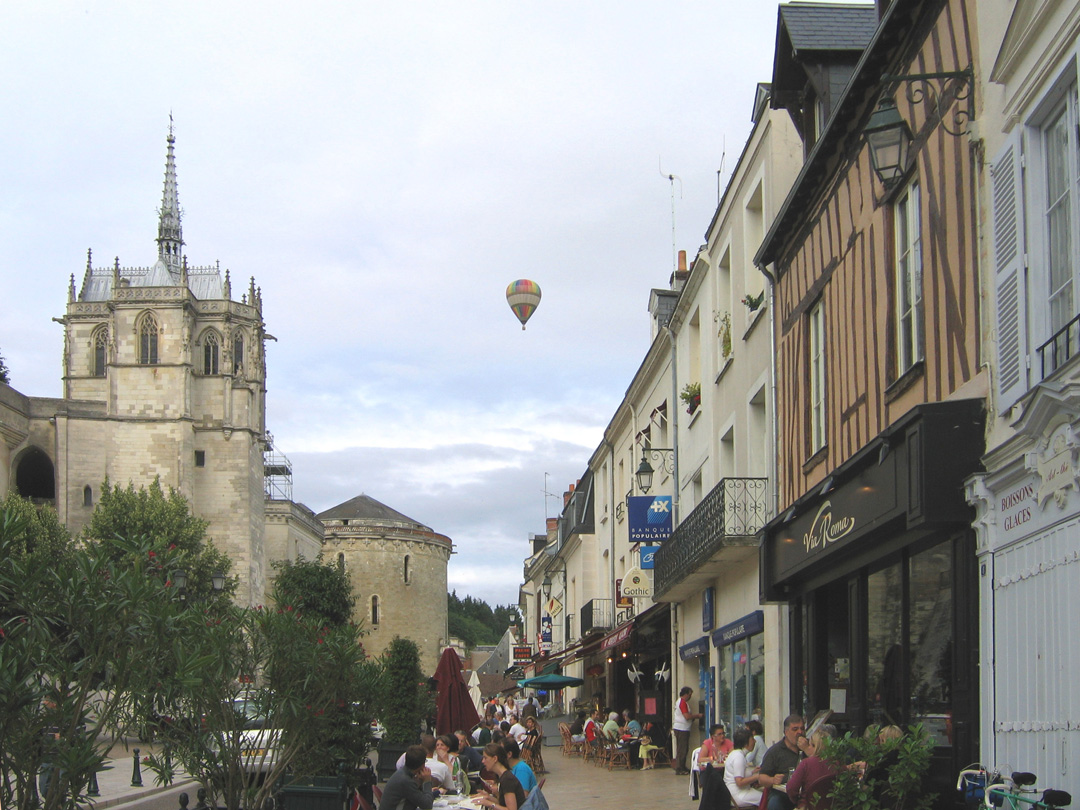




History and royal connections
Amboise rose to prominence as a strategic Loire crossing and later as a favoured royal residence. The Château d'Amboise was remodelled to receive kings of France and to host courtly life; monarchs such as Charles VIII left visible marks on its plan and decoration. Over time the site evolved from fortress to refined palace, combining medieval fortifications with Renaissance ornament and ceremonial apartments. The town's historical role linked river trade, defence and royal administration, leaving a rich architectural and urban fabric.
Leonardo da Vinci and Clos Lucé
One of Amboise’s best-known associations is with Leonardo da Vinci, who spent his final years nearby at the Château du Clos Lucé. The Clos Lucé preserves the house where he lived until his death in 1519 and now functions as a museum exhibiting reconstructions and working models inspired by his drawings. The town also preserves the tradition that Leonardo’s remains were laid to rest in the chapel of the royal domain; this attribution is widely reported in guide literature and commemorated on sites around the château.
Architecture, gardens and underground spaces
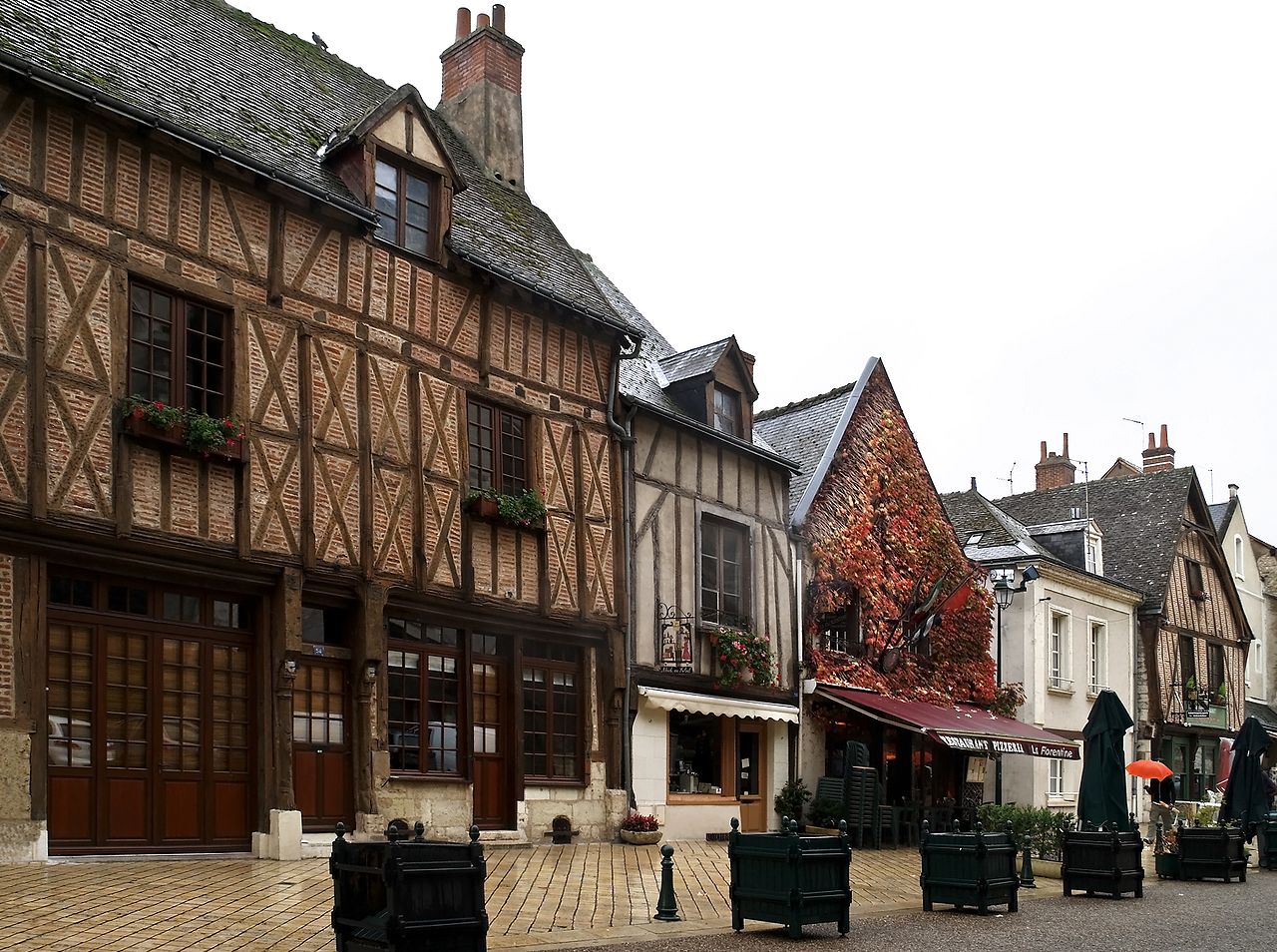
The Château d'Amboise stands on a limestone promontory with terraces overlooking the Loire. Visitors encounter restored royal chambers, ceremonial halls and vaulted service areas, as well as a network of subterranean passages that reveal the site’s defensive origins. The château grounds include formal gardens and viewpoints across the river. Beyond the main monuments, Amboise’s streets display a layered built environment: medieval stone houses, timber-framed facades and later Renaissance details, together with troglodyte cellars cut into tuffeau stone that were historically used for storage and wine maturation.
Culture, tourism and local life
Today Amboise is an active cultural destination and local market town. Its twin attractions—the royal château and the Clos Lucé—make it a focal point for visitors interested in Renaissance history and Leonardo’s life. The town also functions as a gateway for exploring Loire vineyards, culinary traditions and heritage trails. Seasonal markets, artisanal shops, riverside promenades and cycling routes contribute to a lively visitor economy while sustaining local cultural practices.
Practical information and significance
Amboise's compact centre is easily reached from nearby urban areas and serves as a base for exploring the central Loire. Museums, guided tours and interpretation panels help place the town’s monuments in broader historical and artistic contexts. The concentration of châteaux, cultivated landscapes and historic towns in the Loire Valley around Amboise is recognised for its cultural value, and the area is managed to balance tourism, conservation and local life.
- Château d'Amboise — royal residence, terraces and underground passages
- Clos Lucé (Château du Clos Lucé) — Leonardo da Vinci’s final home and museum with working models
- Royal chambers, gardens and river viewpoints
- Riverside walks, local markets and nearby vineyards; close to larger urban centres for transport connections
For further reading and visitor information, consult general guides and the official sites linked above; these provide practical details on opening times, exhibitions and special events that change seasonally.
Related articles
Author
AlegsaOnline.com Amboise: Loire Valley town, Château d'Amboise and Leonardo da Vinci Leandro Alegsa
URL: https://en.alegsaonline.com/art/3302