
Amel (Amblève) — municipality in Liège province, German-speaking Belgium
Amel (French: Amblève) is a rural municipality in the province of Liège, part of Belgium’s German-speaking Community. Known for its Ardennes landscape, small villages, and historical ties to the East Cantons.

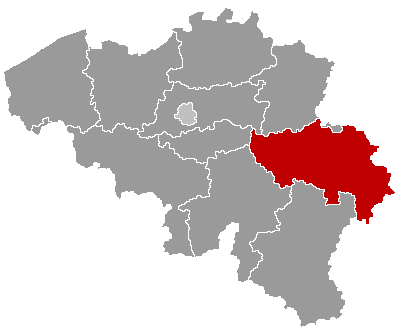
Amel (French: Amblève) is a municipality in eastern Belgium, located in the province of Liège and forming part of the Belgian German-speaking area. The municipality lies in the Ardennes highlands and takes its name from the nearby river. Its geographic coordinates are approximately 50°21′N, 6°10′E.
Image gallery
5 Images


Overview
Administratively, Amel is one of the municipalities that make up the German-speaking Community of Belgium. It is a largely rural territory characterized by scattered villages, forested hills and small river valleys. The area attracts walkers and nature enthusiasts and retains traditional rural architecture and local cultural customs.
History
The region around Amel shares the historical trajectory of the East Cantons: for centuries it was part of the Holy Roman Empire and later German-speaking states. After World War I the territory was transferred to Belgium, and since then the municipality has been part of Belgian territorial and administrative structures while preserving a German-language identity.
Geography and economy
- Landscape: Ardennes hills, mixed woodland and agricultural meadows.
- Economy: predominately small-scale agriculture, forestry, local services and modest tourism.
- Recreation: hiking, cycling and river-side activities are common seasonal attractions.
Administration and population
Amel functions as a local municipal government within the provincial framework and the institutions of the German-speaking Community. Official language use and local schooling are predominantly German. As an example of scale, the municipality recorded a population of 5,331 in 2007, illustrating its relatively small, dispersed population when compared with Belgium’s urban areas. For further administrative details see the municipal entry on the official pages (municipality) and related demographic sources (population data).
For regional context and transport links consult provincial resources (Liège) and broader national guides (Belgium). Additional local information and visitor guidance are often provided by community or tourist offices (municipality).
Related articles
Author
AlegsaOnline.com Amel (Amblève) — municipality in Liège province, German-speaking Belgium Leandro Alegsa
URL: https://en.alegsaonline.com/art/3333
Sources
- statbel.fgov.be : Werkelijke bevolking per gemeente op 1 januari 2007 / Population de droit par commune au 1 janvier 2007 (.xls)
- statbel.fgov.be : Geografische coördinaten van de gemeenten (.xls)