
Evita (musical)
Evita is a sung-through musical by Andrew Lloyd Webber (music) and Tim Rice (lyrics) about Eva Perón, notable for 'Don't Cry for Me Argentina', premiering in the West End (1978) and Broadway (1979).
Evita is a stage musical telling the rise and death of Eva Perón, the polarising public figure of mid-20th-century Argentina. The piece pairs the composer Andrew Lloyd Webber with the lyricist Tim Rice and frames Evita’s life through a partly journalistic, partly dramatic narrator known simply as Che. The subject is Eva Perón, wife of Juan Perón and a leading personality in Argentine public life; the work examines her public image, political influence and symbolic role in a changing society.
Image gallery
8 Images




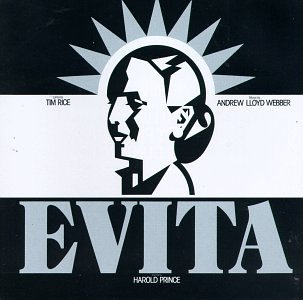

Composition and structure
Conceived as a largely sung-through show, Evita draws on operatic, rock and pop idioms to create continuous musical storytelling. Its structure often uses large ensemble numbers, short lyrical soliloquies and recurring motifs to chart Eva’s transformation from provincial actress to national icon. The omniscient narrator (Che) functions as commentator, sceptic and member of the audience, interrupting and reframing scenes to question celebrity and power.
Original productions and recordings
Evita first reached the public as a staged musical that debuted in the West End in 1978 before opening on Broadway in 1979. The London premiere and subsequent English-language productions established the show in commercial musical theatre; the Broadway transfer brought awards recognition including a Tony Award for Best Musical. Recordings and concept-album versions preceded and accompanied stage runs, helping popularise numbers beyond theatre audiences.
- West End premiere and early UK productions — West End
- Broadway premiere and American runs — Broadway
- Film adaptation and screen versions — see the 1996 movie
Iconic songs such as "Don't Cry for Me Argentina" became widely known outside theatre circles and are often cited when discussing the show’s cultural reach. Evita has been revived and reinterpreted many times, with notable modern productions re-examining its political themes and performance style.
Reception, themes and legacy
Critics and audiences have praised Evita for its bold score, strong leading role and theatricality while also debating its portrayal of historical figures and events. The show remains an influential example of a concept-driven musical that blends popular music with operatic storytelling. It continues to be staged internationally and studied for its handling of fame, propaganda and gender in political life, particularly in relation to Argentina and Latin American history.
Related articles
Author
AlegsaOnline.com Evita (musical) Leandro Alegsa
URL: https://en.alegsaonline.com/art/32826