
Juan Domingo Perón
Argentine military officer and politician who dominated mid-20th-century Argentina, founder of Peronism, served as president in 1946–55 and 1973–74; known for social reforms, labor politics and authoritarian practices.
Juan Domingo Perón (1895–1974) was a central figure in Argentine politics during the mid‑20th century. Born in the province of Buenos Aires, he rose through the military and entered government during a period of global and domestic upheaval. Perón combined nationalist economic policies, a strong alliance with organized labor, and a highly personalized political movement that became known as Peronism.
Image gallery
10 Images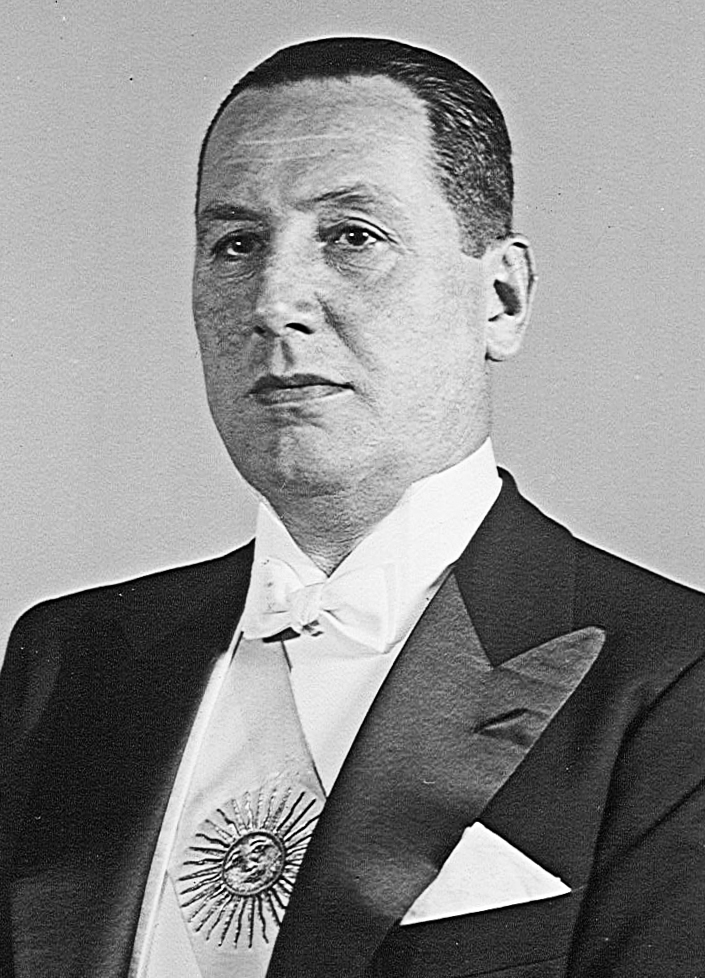


Political career and presidencies
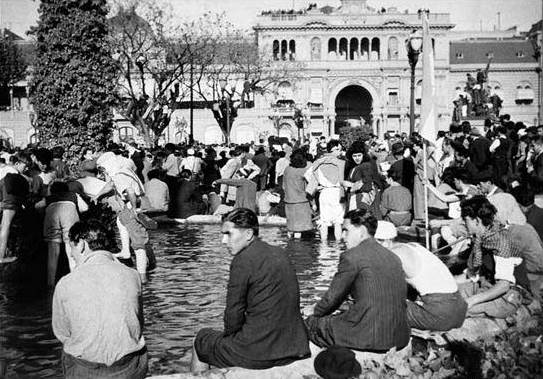
Perón first won the presidency in 1946 and remained in office until he was overthrown by a military coup in 1955. He returned from exile and was elected again in 1973, but died in office the following year. His long influence on Argentine politics stemmed from his ability to link state policy to working‑class demands and to organize a durable political party. Read more about his birthplace and early life: Buenos Aires. For a general overview of his presidential terms, see Presidency and government.
Allies and family influence
Eva Perón (Evita) played a crucial public role as a moral and political partner during his first period in office. She became an icon for many Argentines through social programs, public appearances and a strong identification with labor and the poor; her influence is frequently cited in studies of Peronism: Eva Perón. After Evita's death and Perón's later exile, he married Isabel Martínez de Perón, who served as his vice‑president during his final term and succeeded him after his death: Isabel Perón. His widow assumed the presidency and is often noted as one of the earliest women to hold a national executive post in the Americas: Isabel's succession and its significance in the Western Hemisphere are discussed here: women in leadership.
Policies and governing style
Perón's governments pursued state intervention in the economy, industrial promotion, and the expansion of social welfare programs. He strengthened labor rights, promoted higher wages and better working conditions, and incorporated unions into a corporatist framework in which the state played a central coordinating role. Simultaneously, his administrations exercised strict control over certain media outlets, limited political opposition at times, and relied on patronage to maintain support.
Legacy and historical assessment
The legacy of Perón is deeply contested. Supporters credit him with expanding social protections, achieving greater economic independence, and giving political voice to previously marginalized sectors. Critics emphasize authoritarian tendencies, economic mismanagement in later years, and the long‑term polarization his movement generated. The political party he founded continues to be a major force in Argentine politics and has produced diverse ideological currents under the broad label of Peronism.
Notable facts
- Peronism became both a political party and a broader social movement that reshaped 20th‑century Argentina.
- Social reforms under his governments included expanded labor rights and formal programs aimed at poverty relief and public health.
- His fall in 1955 led to years of exile and periodic military rule; his return in the 1970s reopened deep political conflicts.
- Evita remains a cultural icon, especially for labor and women’s causes, while historians continue to debate Perón’s place between reformer and authoritarian leader.
Related articles
Author
AlegsaOnline.com Juan Domingo Perón Leandro Alegsa
URL: https://en.alegsaonline.com/art/123052