
Fiddler on the Roof: overview, history, themes and legacy
A comprehensive overview of the musical Fiddler on the Roof: origins, creators, plot, major songs, historical context, notable productions including the film and a recent Yiddish revival, and its cultural impact.
Fiddler on the Roof is a landmark musical that explores family, faith and social change through the life of a poor Jewish milkman, Tevye, and his community in a small Pale of Settlement village at the beginning of the 20th century. With a score that has entered popular culture and a book based on classic short stories, the work blends humor and sorrow to examine how tradition adapts under pressure.
Image gallery
7 Images


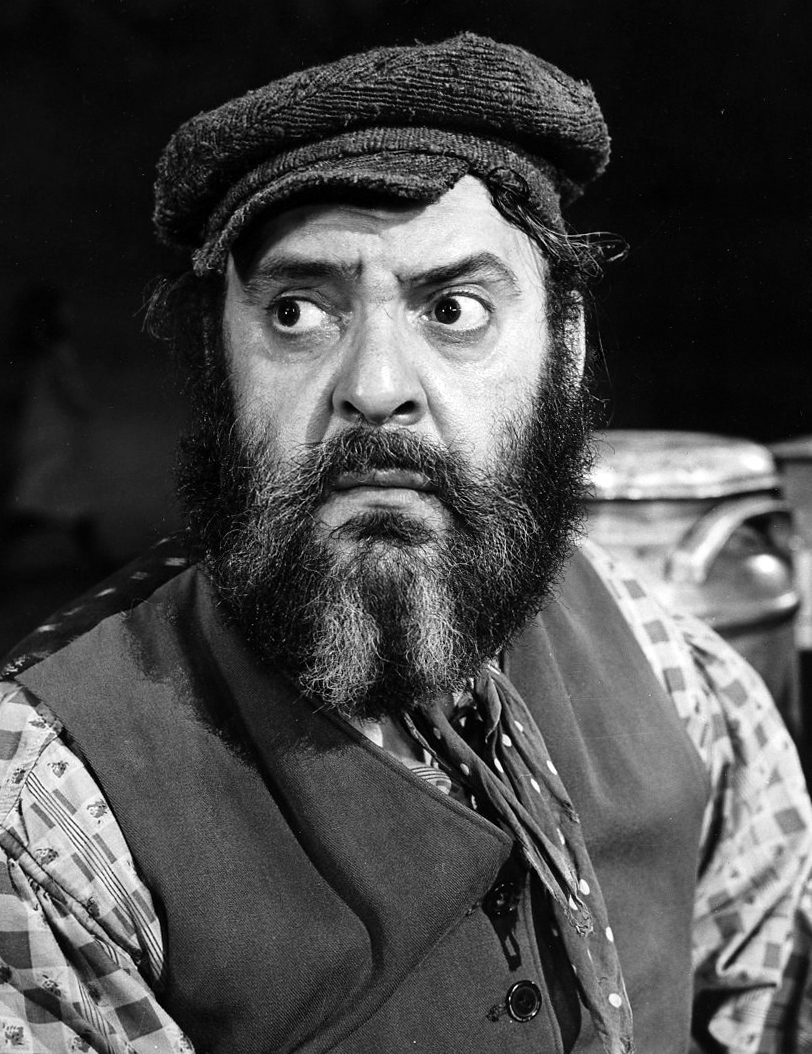
Creators and musical components
The musical features music by Jerry Bock, lyrics by Sheldon Harnick and a book by Joseph Stein, adapted from the stories of Sholem Aleichem. Its songs range from comic ensemble numbers to intimate ballads; well-known numbers include "Tradition," "If I Were a Rich Man," "Matchmaker, Matchmaker," "Sunrise, Sunset," and "To Life." The original staging emphasized character-driven choreography and staging to keep the community of the village at the heart of the drama.
Plot and central characters
At its center is Tevye, a devout but practical family man who addresses God and himself as he tries to reconcile the rules he has always lived by with the new behaviors and marriages chosen by his daughters. The plot follows three marriages that progressively challenge communal customs: each daughter finds a partner whose values, background or political beliefs put them at odds with Tevye's expectations. The story culminates in the community's forced dispersal amid the social unrest of the period.
History and notable productions
Fiddler on the Roof premiered on Broadway in the mid-1960s and became one of the longest-running shows of its era, earning strong popular and critical attention. Its original production helped popularize Jewish storytelling on the musical stage. The show was later adapted as a major 1970s feature film starring Topol, which brought the story to an even wider international audience. In recent years, renewed interest in the work produced revivals and reinterpretations, including a Yiddish-language staging that highlighted the piece's cultural and linguistic roots; information about this production can be found via the Yiddish production.
Themes, context and significance
Fiddler engages themes of tradition versus change, family duty, faith in the face of hardship and the impact of political upheaval on ordinary lives. Set against the backdrop of rising unrest in Imperial Russia, the musical treats Jewish life with specificity—food, ritual, matchmaking and humor—while telling a universal story about communities adapting to modern pressures. Its mix of comedy and tragedy allows audiences to experience warmth and loss together.
Legacy and cultural impact
Over decades, Fiddler has influenced theatre, film and popular perceptions of Jewish life in Eastern Europe. It won multiple awards in its early runs and produced songs that have been recorded, parodied and memorialized beyond the stage. Directors and companies continue to stage the piece, often reinterpreting its visual and cultural elements to speak to contemporary audiences. The work remains a frequent entry point for discussions about assimilation, identity and the costs and comforts of tradition.
- Notable songs: "Tradition," "If I Were a Rich Man," "Sunrise, Sunset."
- Source material: Stories by Sholem Aleichem; book by Joseph Stein.
- Adaptations: Major film version and many stage revivals, including non-English and Yiddish-language productions.
As both a specific portrait of a Jewish village and a broadly human drama, Fiddler on the Roof endures as a musical that continues to invite new productions, scholarly discussion and audience engagement worldwide.
Questions and answers
Q: What is Fiddler on the Roof?
A: Fiddler on the Roof is a musical that tells the story of a poor Jewish milkman, Tevye, and his struggle to maintain his Jewish traditions in Imperial Russia in 1905.
Q: Who wrote the music for Fiddler on the Roof?
A: Jerry Bock wrote the music for Fiddler on the Roof.
Q: Who wrote the lyrics for Fiddler on the Roof?
A: Sheldon Harnick wrote the lyrics for Fiddler on the Roof.
Q: Who wrote the book for Fiddler on the Roof?
A: Joseph Stein wrote the book for Fiddler on the Roof.
Q: When did the original Broadway production of Fiddler on the Roof open?
A: The original Broadway production of Fiddler on the Roof opened in 1964.
Q: What is the seventeenth longest running show in Broadway history?
A: Fiddler on the Roof is currently the seventeenth longest running show in Broadway history.
Q: Has Fiddler on the Roof been made into a film?
A: Yes, Fiddler on the Roof was made into a film in 1971, starring Topol.
Related articles
Author
AlegsaOnline.com Fiddler on the Roof: overview, history, themes and legacy Leandro Alegsa
URL: https://en.alegsaonline.com/art/34190