
Ford's Theatre (Washington, D.C.)
Historic theater and National Historic Site in Washington, D.C., best known as the location where President Abraham Lincoln was assassinated in 1865; today a museum and active performance venue.
Overview
Ford's Theatre is a historic theatre in downtown Washington, D.C., notable both as an active cultural venue and as the site of one of the most consequential events in American history. It is widely known for the assassination of President Abraham Lincoln during a performance on the evening of April 14, 1865. The building now functions as a museum and working theatre within a National Historic Site.
Image gallery
9 Images





Origins and architecture
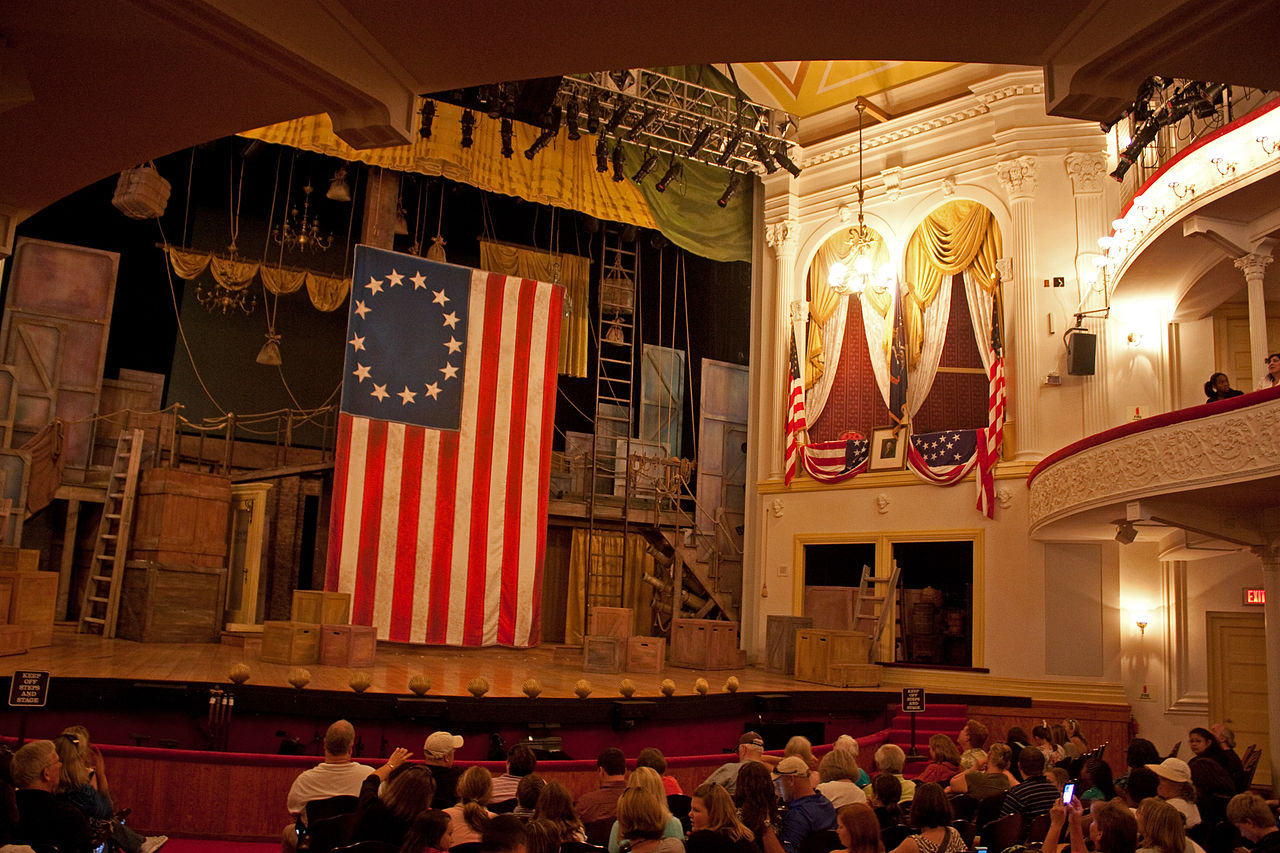
The structure on the site predates its use as Ford's Theatre. Before the Civil War the building served civic and religious purposes and was converted into a playhouse operated by John T. Ford. Its layout reflected mid-19th-century theatre design: a stage, auditorium with tiers of seating, and a presidential box that overlooked the stage. The interior and facade have been altered and rebuilt several times following damage, adaptive reuse, and restoration efforts over more than a century.
Assassination of Abraham Lincoln
On April 14, 1865, President Lincoln was shot while attending a performance of the comedy Our American Cousin. The assassin, actor and Confederate sympathizer John Wilkes Booth, entered the presidential box and fatally wounded Lincoln; the president died the following morning at a nearby boarding house. The event had immediate and long-term political and cultural consequences for the nation and for the theatre itself.
Later uses, preservation, and museum
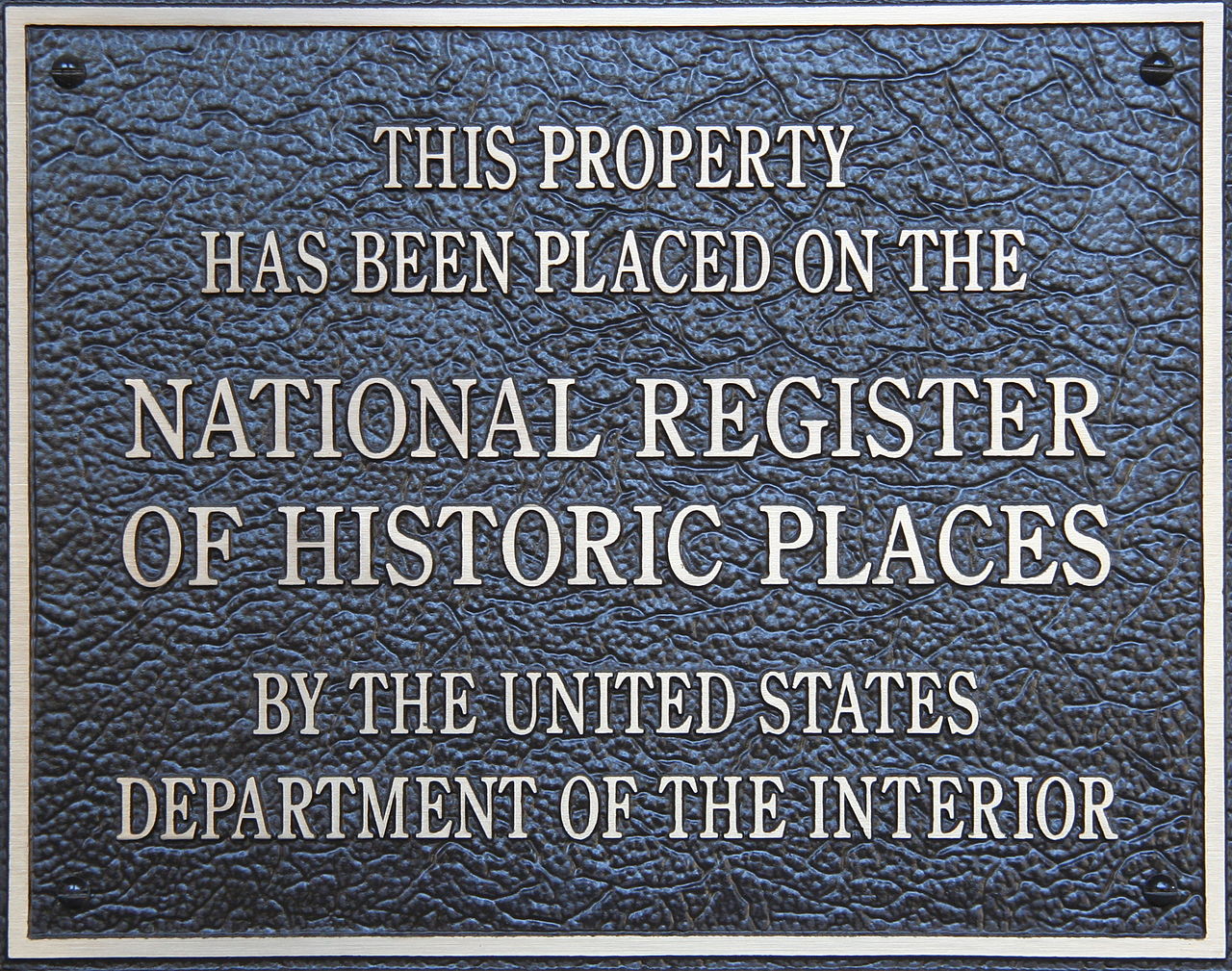
In the years after the Civil War the building served a variety of functions, including as a government office, warehouse, and museum. Interest in preservation grew as the historical importance of the assassination became enshrined in public memory. The site is administered as a National Historic Site and interpreted with exhibits about Lincoln, the assassination, and 19th-century theatre life. Artifacts, historical panels, and period recreations help visitors understand the event and its context.
Visiting and contemporary role
Today Ford's Theatre is both a memorial and an active performing arts venue. Visitors can tour the museum exhibits, view the presidential box, and learn about the broader story of Lincoln's presidency and the Civil War era. The theatre company presents plays and programs that connect historic themes to contemporary audiences. For practical information or research resources, see the official site and affiliated materials: Ford's Theatre information.
Notable facts and distinctions
- The assassination at Ford's Theatre remains one of the most studied events in American history.
- The site combines historic preservation with ongoing theatrical performance and public programming.
- Interpretation at the site places the assassination in context—political, cultural, and technological—rather than treating it as an isolated incident.
For researchers and visitors looking for further detail, curated archival materials and interpretive guides are available through the theatre's educational programs and partner collections. The story of Ford's Theatre illustrates how a single place can hold layered meanings: as a site of entertainment, tragedy, remembrance, and continuing civic life.
Related articles
Author
AlegsaOnline.com Ford's Theatre (Washington, D.C.) Leandro Alegsa
URL: https://en.alegsaonline.com/art/35596