
Eurasian Avars: Steppe Confederation and the Pannonian Khaganate
A semi-nomadic confederation from the Eurasian steppes that established the Avar Khaganate in the Carpathian Basin (6th–9th centuries). Origins, society, material culture, history, and legacy.
Overview
The term "Avars" describes a multiethnic coalition of steppe peoples who became a major power in Central and Eastern Europe from the mid-6th century until the early 9th century. In medieval sources their ruler is called a khagan. They formed a political entity often called the Avar Khaganate centered in the Carpathian Basin, and appeared repeatedly in Byzantine, Frankish and Slavic records as allies, raiders, and rivals.
Image gallery
10 Images


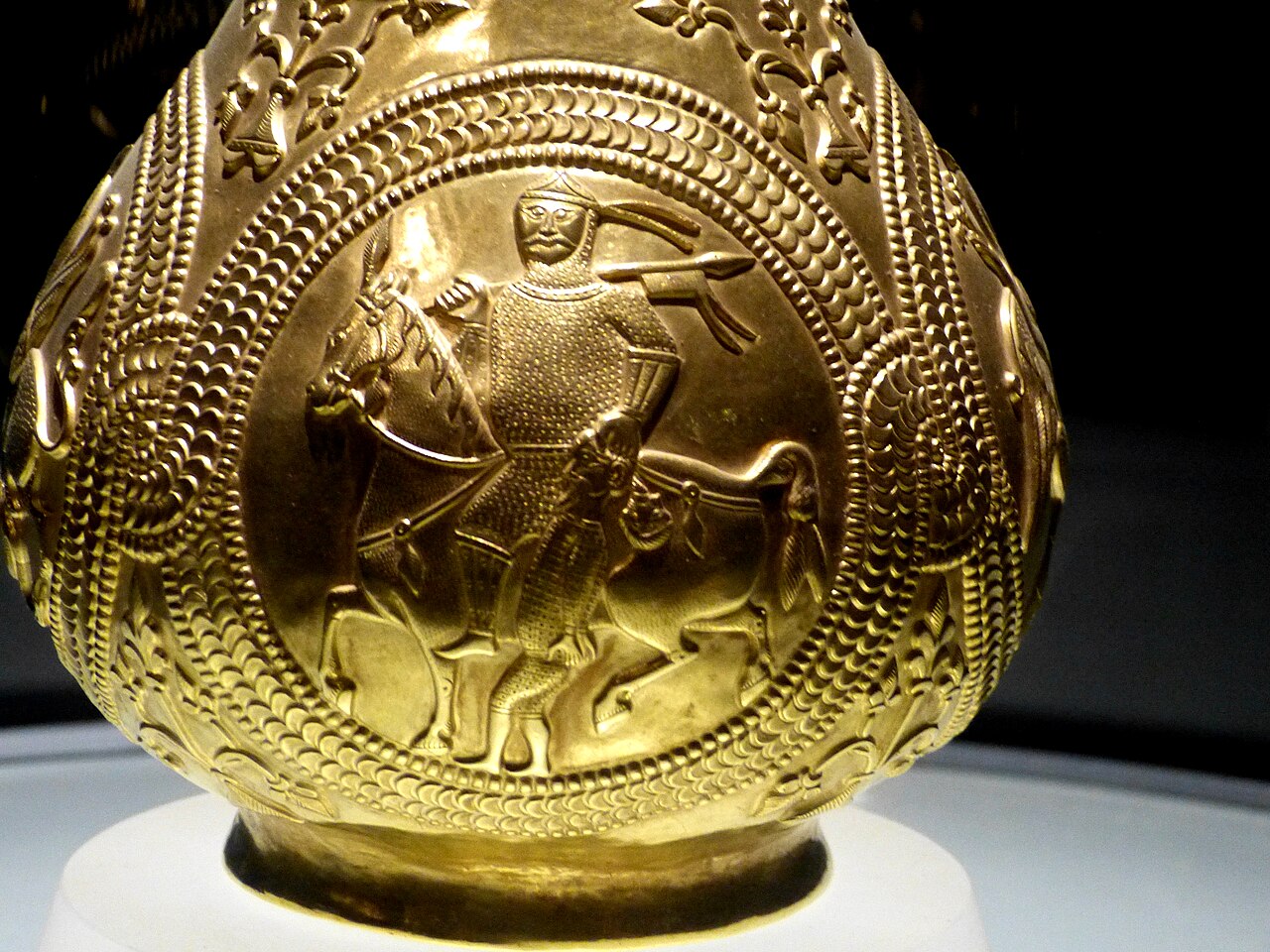

Origins and historical development
Their exact origins remain debated. Contemporary and later writers associated them with earlier steppe groups, and modern scholars discuss possible connections with the Rouran confederation of Inner Asia, Hunnic remnants, and other nomadic peoples. Archaeology shows a migration of steppe material culture into southeastern Europe in the 6th century, and the Avars consolidated control of the Pannonian plain, organized raids into the Balkans, and negotiated treaties with Byzantium.
Society, government and material culture
The Avar polity combined nomadic military elites with sedentary populations. The khagan stood at the top of a hierarchical structure supported by subordinate nobles. Horse warfare, composite bows, stirrups and specialized saddlery were central to their military strength. Archaeological assemblages—burials with horse gear, belt fittings, weapons and metalwork—provide much of what is known about Avar material culture and social status markers.
Conflicts, decline and legacy
The Avar Khaganate clashed with Byzantium and with emerging powers such as the Frankish kingdom. Frankish military campaigns in the late 8th and early 9th centuries, along with internal fragmentation and the arrival of new groups (notably Slavs and Magyars), weakened Avar authority and led to the khaganate's dissolution. Over subsequent centuries Avars were largely assimilated into neighboring populations.
Notable facts and scholarship
- Language and precise ethnic composition remain uncertain; proposals include Turkic, Mongolic, or mixed steppe origins, but evidence is inconclusive.
- Avar-period finds are important for understanding early medieval Eurasian contacts and the transfer of equestrian technology.
- Primary medieval reports and later archaeological syntheses are key sources for research: see contemporary chronicles and modern studies for differing interpretations (primary sources, archaeological summaries, modern analyses).
Related articles
Author
AlegsaOnline.com Eurasian Avars: Steppe Confederation and the Pannonian Khaganate Leandro Alegsa
URL: https://en.alegsaonline.com/art/32547
Sources
- academia.edu : "A Sketch of the Earliest Mongolic Language: the Brāhmī Bugut and Khüis Tolgoi Inscriptions"
- worldcat.org : 2589-8825