
European Canadians
Overview of Canadians whose ancestry is principally from Europe: origins, demographic patterns, languages, religions, cultural influence, and contemporary identity.
Overview
European Canadians, sometimes called Euro-Canadians, are Canadians whose family origins are primarily from the countries of Europe. People who identify European ancestry form a large portion of Canada’s population and have contributed substantially to its linguistic, legal and cultural institutions. Census and survey sources describe a wide variety of origins, migration histories and patterns of settlement; for general reference see overview entry and the broad geographic context of Europe. Official statistics recorded about 25,186,890 people reporting European ancestry in the 2011 census (2011 data).
Image gallery
10 Images

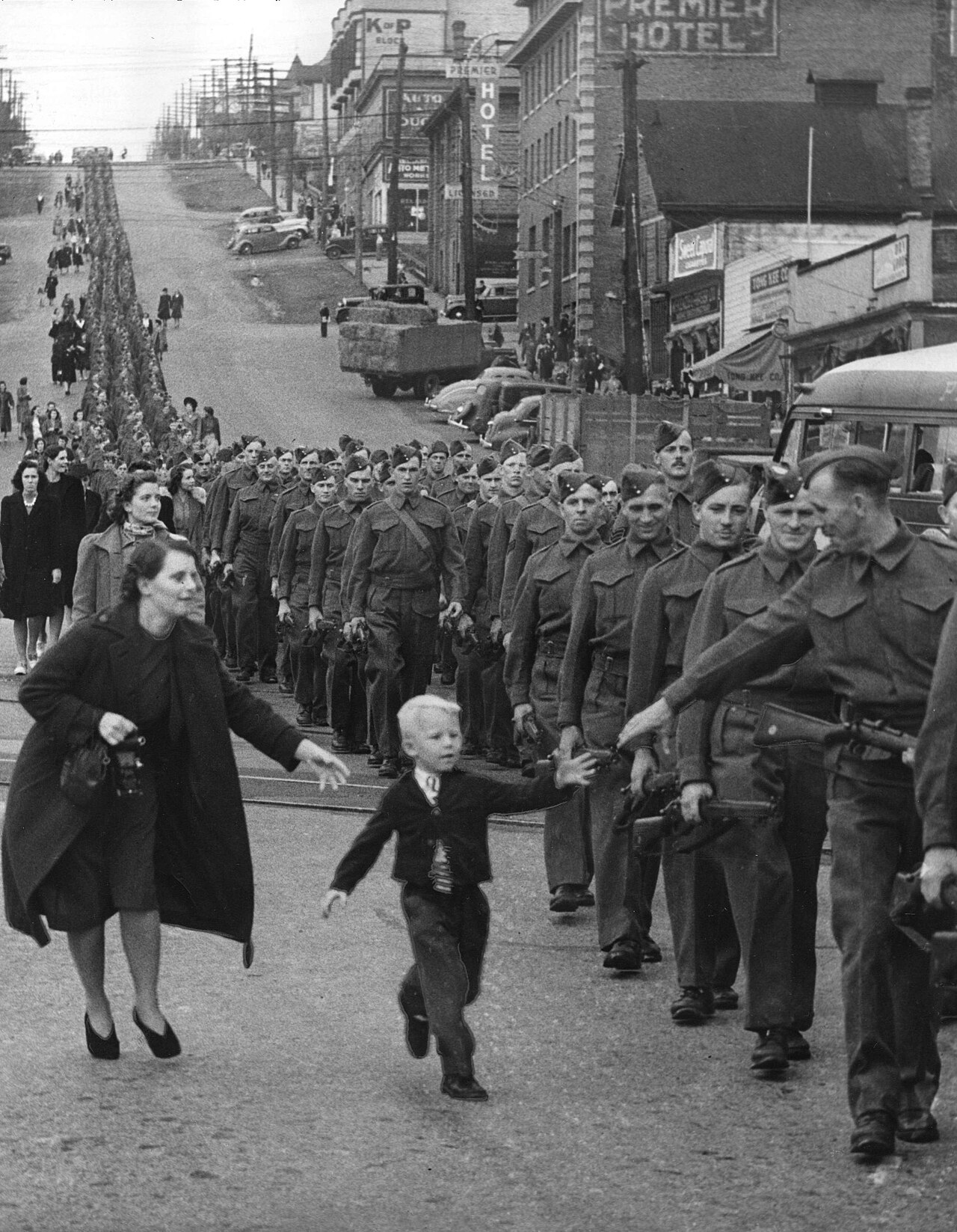
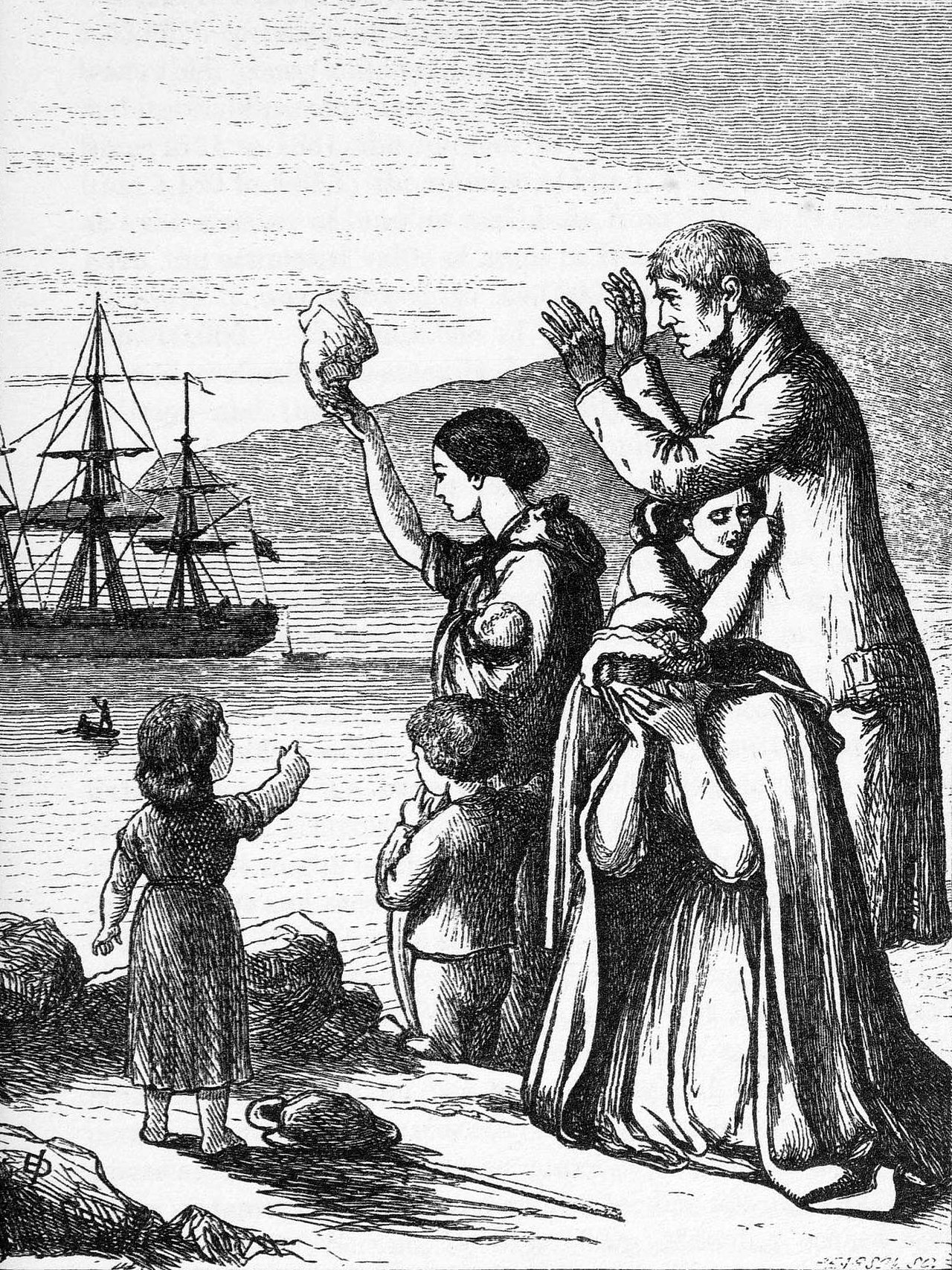


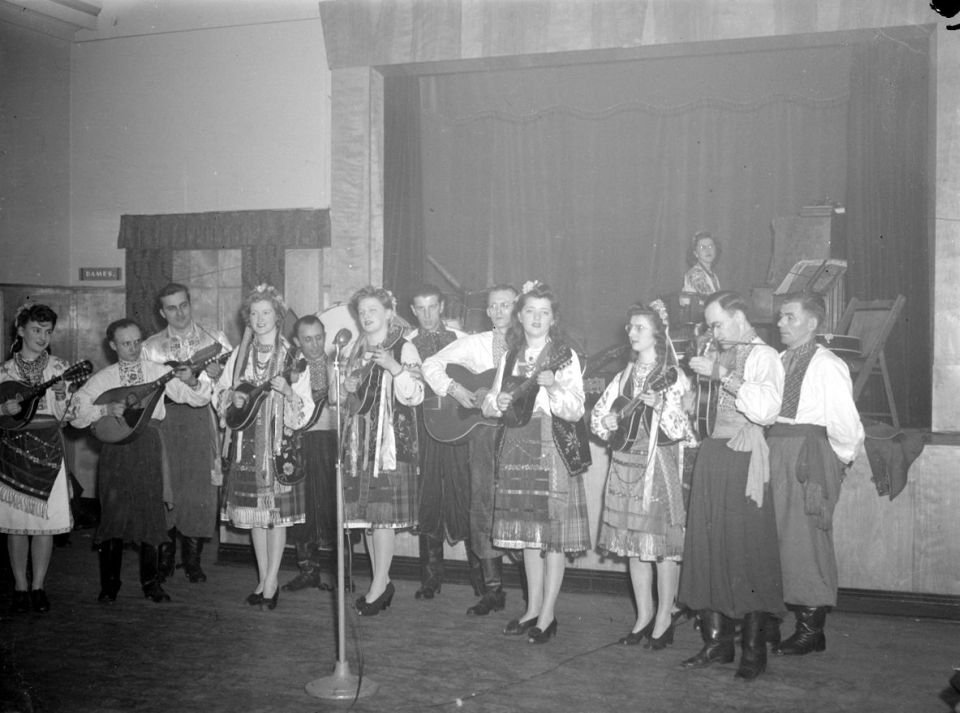
Origins and early history
European presence in what is now Canada began with exploration in the late 15th and early 16th centuries and later permanent settlement. French colonists established long‑term settlements in the early 17th century; among the earliest recorded births in New France is Hélène Desportes, often noted in historical accounts (Hélène Desportes). Over the 18th and 19th centuries, British, French and other Europeans arrived in successive waves: settlers, military groups, loyalists, and later economic migrants during the industrial era.
Ancestry and demographics
Many Canadians report multiple or mixed ancestries. Census responses commonly list English, French, Scottish, Irish and German origins among the most frequently reported European backgrounds. For example, earlier census tabulations have shown substantial shares identifying English ancestry (English), Scottish (Scottish), Irish (Irish) and German (German) origins. French ancestry remains foundational in Quebec and parts of Atlantic Canada. Other European backgrounds such as Italian, Ukrainian and Scandinavian also appear in national and regional counts.
In some censuses a sizable proportion of respondents report simply "Canadian" as their ethnic origin, reflecting multi‑generational families and shifting self‑identification. This reporting practice can affect apparent percentages for specific ancestries and is discussed in methodological notes (census reports).
Language and religion
European Canadian heritage is closely associated with Canada’s two official languages. Most Canadians of European background speak English (English) or French (French) as a first language or use them at home. Historically, many identified with Christian denominations (Christian), including Roman Catholicism and a range of Protestant churches. Small but established communities of other faiths and non‑religious positions are also present: Jewish communities (Jewish), Deists (Deist), Agnostics (Agnostic), Atheists (Atheist), Muslims (Muslim), Bahá'ís (Bahá'í), Pagan and Wiccan traditions (Pagan / Wicca), and Unitarian Universalists (Unitarian Universalist).
Regional variation and identity
Regional differences are pronounced. Quebec’s francophone society has distinct legal, linguistic and cultural traditions compared with Anglophone provinces. Atlantic Canada, Ontario, the Prairies and British Columbia each show different settlement histories, ethnic mixes and demographic dynamics. Rural and urban populations display different patterns of ancestry, language use and cultural retention.
Culture, contributions and contemporary issues
People of European descent have influenced Canada’s institutions, architecture, agriculture, arts and public life. At the same time, European Canadian identity is not static: it evolves through intermarriage, continuing immigration from outside Europe, and increased recognition of Indigenous peoples and other cultural groups. Contemporary debates over multiculturalism, immigration policy and national identity reflect this evolving and plural society.
Census reporting and interpretation
Interpreting ancestry statistics requires care. Self‑reported ethnic origin reflects personal identification, family memory and survey choices; people may report single or multiple origins or use a general label such as "Canadian." Comparisons across censuses can therefore show apparent shifts that reflect changing reporting practices as much as demographic change.
Further reading and sources
- General overview of European Canadian identity
- Geographic context: Europe
- Census and demographic data (2011)
- Early New France and Hélène Desportes
- English ancestry in Canada
- Scottish communities and history
- Irish immigration and settlement
- German‑Canadian presence
- Christian denominational histories
- Jewish communities in Canada
- Deism and historical contexts
- Agnostic and secular perspectives
- Atheism and non‑religious identification
- Muslim communities among people of European background
- Bahá'í presence and communities
- Pagan traditions and history
- Wicca and contemporary practice
- Unitarian Universalist communities
- English language use and distribution
- French language communities and law
Questions and answers
Q: Who are European Canadians?
A: European Canadians are Canadians with ancestry from Europe.
Q: How many European Canadians were in Canada in 2011?
A: In 2011, there were 25,186,890 European Canadians in Canada.
Q: Who was the first "white" person born in New France?
A: Hélène Desportes was the first "white" person born in New France and she was born in 1620.
Q: What is the most common ancestry among European Canadians?
A: The most common ancestry among European Canadians is English (21.03%). Other common ancestries include French (15.82%), Scottish (15.11%), Irish (13.94%), German (10.18%) and Italian (4.63%).
Q: What percentage of people said they had Canadian ancestry?
A: 32.22% of people said they had Canadian ancestry according to a 2006 survey.
Q: What religions do most European Canadians practice?
A: Most European Canadians are Christian but some also practice Judaism, Deism, Agnosticism, Atheism, Islam, Bahá'í Faith, Paganism/Wicca and Unitarian Universalism as well as other faiths or no faith at all.
Q: What languages do most Europeans speak?
A: Most Europeans speak English and French but some may also speak other languages depending on their heritage or background
Related articles
Author
AlegsaOnline.com European Canadians Leandro Alegsa
URL: https://en.alegsaonline.com/art/32600
Sources
- www12.statcan.gc.ca : Census Profile, 2016 Census
- oxforddictionaries.com : www.oxforddictionaries.com
- www12.statcan.gc.ca : "National Household Survey (NHS) Profile, 2011"
- biographi.ca : Hélène Desportes
- books.google.com : The Changing Face of Canada: Essential Readings in Population