
Extermination camp (death camp)
A death camp is a facility built to carry out mass killing, most infamously by Nazi Germany in WWII. The article explains structure, methods, victims, notable camps, history and remembrance.
Overview
An extermination camp, often called a death camp, is a facility designed primarily to kill large numbers of people as efficiently as possible. The most widely known examples were established by Nazi Germany during World War II, with the explicit aim to murder millions of people. Victims were murdered by a combination of methods intended to maximize death rates and minimize cost and time for the perpetrators.
Image gallery
10 Images


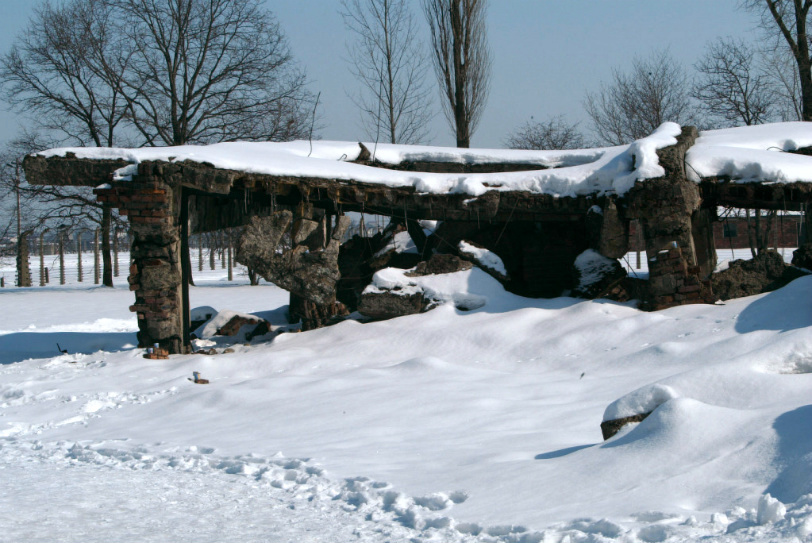


Design, methods and conditions
These camps were organized to expedite killing at industrial scale. The main technical methods included the use of poison substances and gas delivered into sealed gas chambers, but mass killing also occurred through mass executions such as systematic shooting, and through policies that produced death by neglect. Administrators sometimes described or rationalized conditions as "extermination through work," commonly called extermination through labor, where prisoners were forced into backbreaking forced labor while essential needs like adequate food and medical care were withheld.
Who were the victims?
The principal targets of the Nazi extermination program were Jews; a very large share of those killed in the camps were Jewish men, women and children. The broader Nazi plan to annihilate European Jewry was called the Final Solution and the genocide is commonly known as the Holocaust. Other groups were also persecuted and killed in these facilities, including Roma (Gypsies), people with disabilities, political opponents, Soviet prisoners of war, homosexuals and others deemed undesirable by Nazi ideology.
Examples and geography
The best-known complex was Auschwitz-Birkenau, which combined forced-labour camps with facilities designed for mass killing; other major Nazi extermination camps included Belzec, Sobibor, Treblinka, Chelmno and Majdanek. Methods of death inside and near the camps also included deliberate starvation, exposure and even freezing to death in harsh conditions. In parts of occupied Europe, collaborators and local regimes also established killing sites. For example, the fascist Ustaše government in the Independent State of Croatia ran camps such as Jasenovac, where Serbs, Jews, Roma and others were killed; estimates of victims at such sites vary and are the subject of historical research and debate, including the fate of many Serbs.
How extermination camps fit into wider persecution
Extermination camps differed from concentration, transit and labor camps by having killing as their primary function rather than detention or exploitation alone. Often prisoners arrived by train, underwent selection, and those deemed unfit for work were sent immediately to killing facilities. Others were kept alive only to provide forced labor until they died from brutality, disease or exhaustion. The combination of direct execution, mechanical killing devices and systemic neglect made these camps central to state-sponsored mass murder.
Aftermath, memory and distinction
After the war, the camps became central subjects of war crimes trials, documentation projects and memorialization. Survivors, liberators and investigators recorded evidence that established how systematic the killing programs were. Today extermination camps are studied in history, law and ethics as paradigmatic examples of genocide and crimes against humanity. Museums and memorials preserve sites and testimony so that the facts, causes and human consequences remain part of public memory and education.
- Key technical methods: gas, gas chambers, shootings and deliberate neglect.
- Key concepts: Final Solution, Holocaust, extermination through labor.
- Historical actors and sites: Nazi Germany, Independent State of Croatia, Jasenovac.
Questions and answers
Q: What were extermination camps?
A: Extermination camps (also known as death camps) were built by Nazi Germany during World War II with the goal of killing millions of people as quickly as possible.
Q: How did the Nazis kill people at the death camps?
A: At the death camps, people were mostly murdered by being given poison gas in gas chambers. The Nazis also killed many people in other ways, such as mass executions and extermination through labor (by making prisoners do very hard forced labor without giving them basic necessities to survive). Additionally, some died from starvation, illness, and freezing to death.
Q: Who was sent to the death camps?
A: The Nazis sent many different kinds of people to the death camps; however, about 90% of those killed in these camps were Jewish.
Q: What was Nazi Germany's plan for Jews?
A: Nazi Germany wanted to 'exterminate' or kill all Jews so they would not exist any more; this plan was called the Final Solution or Holocaust.
Q: Did other countries have similar extermination/death camps during WWII?
A: Yes, during World War II, the fascist Ustaše government in the Independent State of Croatia set up their own death camps like Jasenovac where they murdered many Serbs, Jews, and other people - it is estimated that around 750,000 Serbs may have been killed at these death camps.
Q: What happened at Jasenovac specifically?
A: At Jasenovac and other similar Croatian-run concentration/death camp sites during World War II, many Serbs, Jews and others were murdered by Ustaše forces - estimates suggest that around 750 000 Serbs may have been killed there alone.
Related articles
Author
AlegsaOnline.com Extermination camp (death camp) Leandro Alegsa
URL: https://en.alegsaonline.com/art/33012
Sources
- www1.yadvashem.org : "The Implementation of the Final Solution: The Death Camps"
- books.google.com : Social Outsiders in Nazi Germany
- books.google.com : Unanswered Questions: Nazi Germany and the Genocide of the Jews
- pbs.org : Germany and the Camp System
- books.google.com : Serbian 'holocaust' in: The Jasenovac debate
- books.google.com : Death and Deliverance: 'Euthanasia' in Germany, c. 1900 to 1945
- yadvashem.org : "Aktion Reinhard"
- prorev.com : "Wannsee Protocol of January 20, 1942"
- auschwitz.org.pl : Auschwitz-Birkenau Memorial and Museum in Oświęcim, Poland
- books.google.com : A New Illustrated History of the Nazis
- books.google.com : The Waffen SS
- nathaninc.com : Forced Labour under Third Reich - Part 1
- jewishvirtuallibrary.org : "The evacuation of Jews to Poland"
- humboldt.edu : Conditions for Polish Jews During WWII