
Eugene Cernan: U.S. Naval Officer, Aviator and Apollo 17 Commander
Eugene A. Cernan (1934–2017) was a U.S. Navy captain, naval aviator and NASA astronaut who flew Gemini 9A, Apollo 10 and commanded Apollo 17; he is known as the most recent person to have walked on the Moon.
Overview
Eugene Andrew "Gene" Cernan (March 14, 1934 – January 16, 2017) was an American naval officer, naval aviator, engineer and NASA astronaut. A career U.S. Navy officer and test pilot who reached the rank of captain, Cernan flew three space missions across the Gemini and Apollo programs and commanded Apollo 17, the final Apollo lunar landing. He is widely remembered as the most recent person to have walked on the Moon.
Image gallery
10 Images


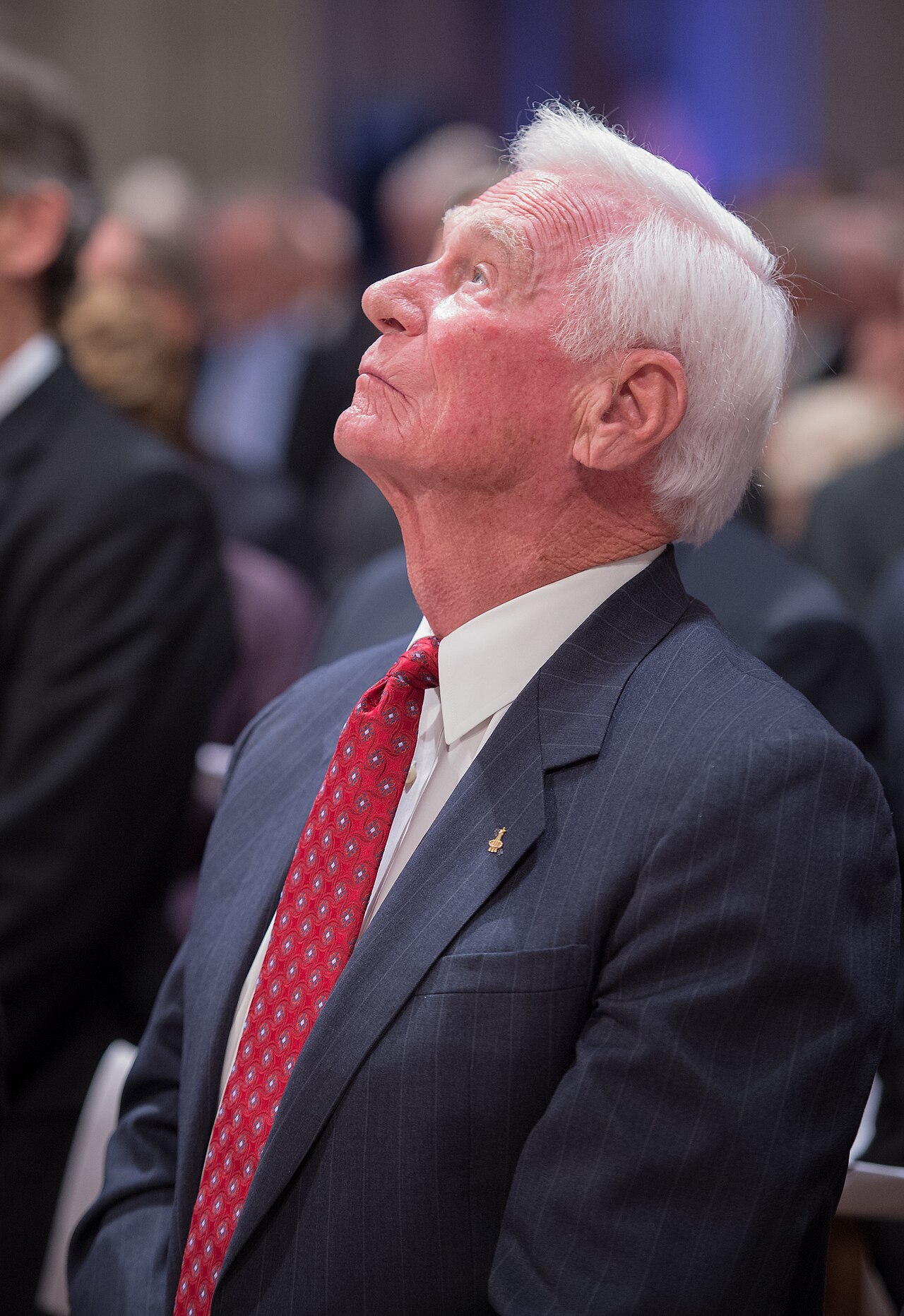


Early life and education
Cernan was born in Chicago and raised in the nearby suburbs of Bellwood and Maywood. He studied engineering at Purdue University and completed further graduate-level work at the Naval Postgraduate School. His technical education and carrier-based flight training prepared him for naval service as a fighter pilot and later for selection to NASA's astronaut corps.
Naval career
Commissioned in the U.S. Navy, Cernan served as a naval aviator, flying jet fighters from aircraft carriers and participating in test-flying activities. He rose through operational and shore assignments to the rank of captain (USN, retired). His military service provided the flight experience and engineering background that were characteristic of many astronauts of his generation.
NASA selection and roles
Selected as an astronaut in the 1960s, Cernan served in multiple roles including backup crew assignments and prime crew positions. He was a member of NASA mission teams during the Gemini and Apollo eras, contributing to spacecraft development, crew training and the execution of complex rendezvous and lunar operations.
Spaceflights
Cernan flew three space missions. He was pilot of Gemini 9A in June 1966, a flight notable for rendezvous practice and a demanding extravehicular activity. He served as lunar module pilot on Apollo 10 in May 1969, a full rehearsal for a landing that took the lunar module to within a few miles of the lunar surface. In December 1972 he commanded Apollo 17, the final Apollo lunar landing mission, which included extended surface operations, multiple EVAs and scientific fieldwork. On Apollo 17 Cernan and crewmate Harrison Schmitt conducted extensive geological sampling while Ronald Evans remained in lunar orbit as command module pilot.
Apollo 17 and the Moonwalks
Apollo 17 was the last crewed mission to land on the Moon. As commander, Cernan led surface exploration that combined scientific objectives with engineering and operational tasks. During the mission he became the eleventh person to walk on the lunar surface and, because he was the last to re-enter the lunar module at the close of the final extravehicular activity, is generally described as the most recent human to have walked on the Moon.
Later life and legacy
After leaving active flight status, Cernan remained active as a public speaker and advocate for human space exploration. He wrote and lectured about his experiences, the value of lunar science, and the need for sustained investment in space exploration. He received numerous awards and honors during his lifetime and remained a prominent voice in discussions of space policy and history.
Death
Cernan died on January 16, 2017 at a hospital in Houston, Texas, at the age of 82. His passing prompted remembrances from colleagues in the space community and renewed attention to the Apollo program's achievements and to plans for future human missions beyond low Earth orbit.
Selected missions
- Gemini 9A — Pilot; EVA and rendezvous operations, June 1966. Mission summary
- Apollo 10 — Lunar Module Pilot; dress rehearsal for a landing, May 1969. Mission details
- Apollo 17 — Commander; final Apollo lunar landing, December 1972. Mission page
Context and contributions
Cernan's career exemplifies the close connection between military aviation, engineering training and early astronaut selection. His flights contributed to operational knowledge about spacecraft rendezvous, extravehicular activity and lunar surface science. Accounts of his missions remain important sources for historians and engineers studying the Apollo era and the development of human spaceflight.
Further reading and sources
- Military service records and background
- Biographical overview
- NASA program context
- Astronaut profile and technical biography
- Birthplace and local records
- Family and personal background
- Bellwood local history
- Maywood and early schooling
- Purdue University alumni information
- Extravehicular activity descriptions
- Lunar science and exploration context
- Lunar module systems and mission operations
- Backup crew assignments
- Subsequent mission roles and training
- Reports of death and remembrances
- End-of-life notices and memorials
- Archival documents and mission reports
- Additional military records
- Expanded biography and interviews
Related articles
Author
AlegsaOnline.com Eugene Cernan: U.S. Naval Officer, Aviator and Apollo 17 Commander Leandro Alegsa
URL: https://en.alegsaonline.com/art/32482
Sources
- nasa.gov : "Remembering Gene Cernan"
- abcnews.go.com : "Gene Cernan, Last Astronaut to Walk on the Moon, Dies at 82"