
Apollo 7: First Crewed Flight of the Block II Apollo Command Module
Apollo 7 (launched Oct 11, 1968) was NASA's first crewed Apollo mission. It tested the Block II Command/Service Module in Earth orbit, validated life‑support and control systems, and enabled the follow-on lunar program.
Overview
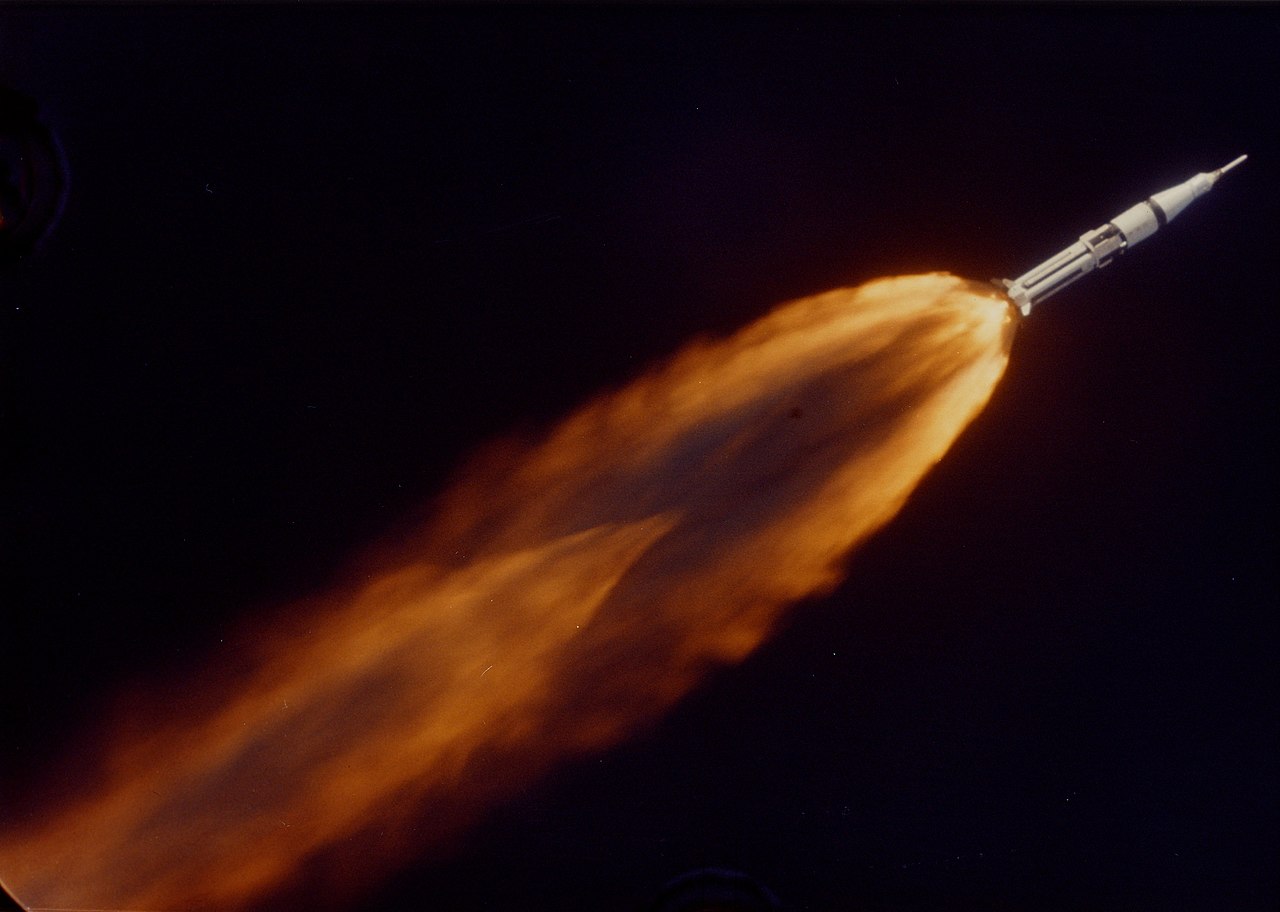
Apollo 7 was the first successful crewed mission in NASA's Apollo sequence following the Apollo 1 fire. Launched on October 11, 1968, aboard a Saturn IB rocket, the flight remained in low Earth orbit for 10 days, 20 hours, 9 minutes and 3 seconds. The principal aim was to exercise and validate the redesigned Block II Command/Service Module (CSM), onboard systems and crew procedures under extended, crewed conditions. The mission restored American crewed orbital operations and provided essential confidence for later, more ambitious flights.
Image gallery
10 Images


Crew
The three-person crew combined experience and new personnel: Commander Walter M. "Wally" Schirra, Command Module Pilot Donn F. Eisele, and Lunar Module Pilot R. Walter Cunningham. All three were Navy aviators and test pilots before joining the astronaut corps. Although Cunningham carried the "lunar module pilot" title by training, Apollo 7 did not include a lunar module; the flight profile remained in Earth orbit to focus on the CSM checkout.
Vehicle and spacecraft
The launch vehicle was the Saturn IB, flown crewed for the first time on Apollo 7. The spacecraft under test was a Block II Apollo CSM, a reworked design that incorporated many safety and operational modifications introduced after earlier program setbacks. Systems tested included life‑support and environmental control, guidance and navigation, electrical power, communications, and the service module propulsion system.
Primary objectives and in‑flight activities
Rather than exploration, the mission emphasised verification: extended operation of environmental systems, exercise of the guidance and control suite, evaluation of crew procedures, and demonstration of the service propulsion system and reentry systems. Crew activities comprised orbital maneuvers, system checks, communications tests, and extensive on‑board operational practice intended to mirror elements of future lunar sorties.
Flight profile and recovery
Apollo 7 completed many Earth orbits during its ten‑day flight, repeatedly operating and monitoring hardware and software under realistic crewed conditions. At mission end the crew performed deorbit and reentry procedures and splashed down safely, completing the program's first long-duration post‑accident orbital test. The mission met its objectives without major technical failure.
Results and legacy
The successful checkout of the Block II CSM and the validated performance of life‑support, propulsion and guidance systems allowed NASA to proceed with plans for circumlunar operations later the same year. The results directly supported the decision to fly Apollo 8 into lunar orbit in December 1968. Apollo 7 thus played a crucial role in reestablishing operational confidence across the Apollo program and demonstrated that the United States could sustain three‑person crewed missions.
Notable facts
- First crewed flight of the Block II Apollo Command/Service Module.
- First crewed launch of the Saturn IB launch vehicle.
- First U.S. three‑person crewed spaceflight.
- Provided essential data and operational experience used by subsequent Apollo missions.
For institutional context, see material from NASA and summaries of the broader Apollo program. Background on United States crewed spaceflight history can be consulted through collections and overviews of United States crewed spaceflight. The flight returned the program to crewed launches after the Apollo 1 tragedy and set the stage for the decision to attempt lunar orbit on Apollo 8.
Further reading typically includes technical mission reports, crew debriefings and contemporary news accounts; these sources provide day‑by‑day logs of onboard activities and technical appendices that illustrate how a careful, Earth‑orbital systems test contributed to the success of later lunar operations.
Related articles
Author
AlegsaOnline.com Apollo 7: First Crewed Flight of the Block II Apollo Command Module Leandro Alegsa
URL: https://en.alegsaonline.com/art/4913
Sources
- history.nasa.gov : Apollo by the Numbers: A Statistical Reference · web.archive.org
- lccn.loc.gov : 00061677
- history.nasa.gov : history.nasa.gov/SP-4029/Apollo_00g_Table_of_Contents.htm
- ntrs.nasa.gov : "Apollo 7 Mission Report"
- planet4589.org : "SATCAT"