
Eugene O'Neill (1888–1953)
Eugene O'Neill was a major American dramatist whose emotionally intense, formally adventurous plays reshaped twentieth‑century theatre. He won the Nobel Prize in Literature and multiple Pulitzers.
Eugene O'Neill was an American playwright whose work brought psychological depth, naturalistic detail and formal experimentation to the modern stage. Born in 1888 and dying in 1953, he is widely regarded as one of the most important dramatists in American letters. His achievements were recognized with the Nobel Prize in Literature in 1936, an honor that marked his international standing. Nobel Prize
Image gallery
10 Images


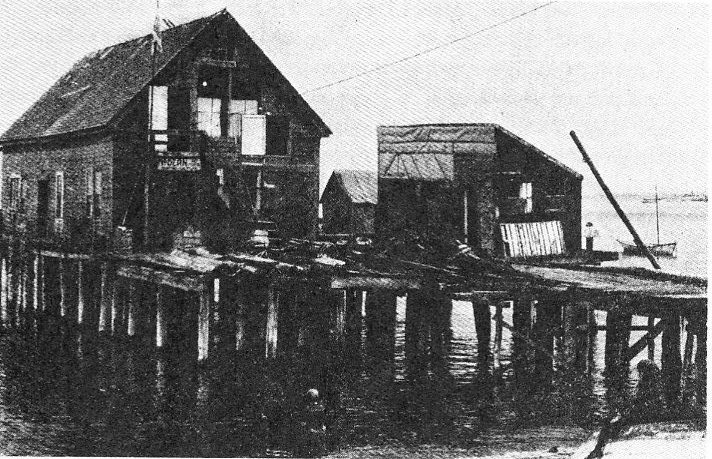


Life and career
O'Neill grew up in a theatrical family and spent parts of his youth at sea and in varied jobs before committing to writing for the theatre. Personal hardship, including family tensions and struggles with illness and addiction, informed much of his material. He developed a craft that combined close observation of ordinary speech with symbolic and expressionistic episodes, often drawing on autobiographical elements.
Themes, style and innovations
His plays are noted for their frank emotional intensity, complex characters and mixtures of realism and experimental technique. O'Neill explored addiction, family conflict, regret and the burdens of the past. He expanded the range of subject matter for American drama and used long, demanding roles, poetic passages and stage directions that treat the acting space as a psychological landscape.
Major works and recognition
- Beyond the Horizon and Anna Christie — early successes
- The Emperor Jones — expressionistic and controversial
- Mourning Becomes Electra — a modern reworking of classical tragedy
- The Iceman Cometh and Long Day's Journey Into Night — later masterpieces; the latter was published and produced after his death and received posthumous awards
During the 1920s and later he received multiple Pulitzer Prizes for drama and, after his death, a further Pulitzer was awarded for a posthumously produced work. Pulitzer Prizes
O'Neill's influence reaches beyond awards: his combination of raw realism and theatrical innovation paved the way for later American playwrights. His plays remain in repertoires worldwide and are studied for their craft, moral complexity and dramatic power.
Notable facts include the scale and seriousness of his ambitions for the stage, his willingness to experiment with form, and the lasting presence of his characters and themes in twentieth‑century theatre history. O'Neill's legacy is visible in productions, scholarship and theatres that continue to engage with his work.
Related articles
Author
AlegsaOnline.com Eugene O'Neill (1888–1953) Leandro Alegsa
URL: https://en.alegsaonline.com/art/32491
Sources
- select.nytimes.com : "O'Neill's Birthplace Is Marked By Plaque at Times Square Site"
- eoneill.com : eoneill.com/library/newsletter/viii_2/viii-2b.htm