
Eubie Blake: American Ragtime, Stride Pianist and Broadway Composer
Biography of James Hubert "Eubie" Blake, his musical style, disputed birth date, major works (including Shuffle Along), collaborations, and lasting influence on American popular music.
James Hubert "Eubie" Blake was a prominent American pianist and composer whose career spanned ragtime, early jazz, and Broadway. Born in Baltimore and active across most of the 20th century, Blake is best known for inventive piano technique and for writing songs that entered the popular repertoire. His work bridged turn-of-the-century syncopation and the musical-theatre forms that followed, helping to shape a distinctly American sound.
Image gallery
3 Images

Musical style and characteristics
Blake's playing combined elements of ragtime and the later stride tradition; he often employed a steady left-hand pulse with syncopated, highly ornamented right-hand lines. Listeners and scholars describe his music as energetic, rhythmically inventive, and melodically memorable. As a pianist he could accompany singers, lead small ensembles, and provide the harmonic underpinning for dance bands. He adapted older ragtime forms to theater settings and to popular song structures, influencing generations of keyboardists and arrangers.
Life, dates and the birth-date controversy
Blake's exact year of birth has been a subject of debate. Late in life he sometimes stated an earlier year, but recently released documents — including the 1900 United States census, a World War I draft card, a Social Security record, and a passport registration — list a later birth year. Multiple official records also exist under other registrations such as the one shown by registration documents. The practice of "backdating" or misstating one's birth year was not unusual among early 20th-century performers; other notable musicians have displayed similar inconsistencies, a phenomenon commentators sometimes link to performer publicity or simple record-keeping errors. Scholars urge caution when assigning an exact birth year and prefer to note the discrepancy rather than assert a single date without qualification.
Major works and collaborations
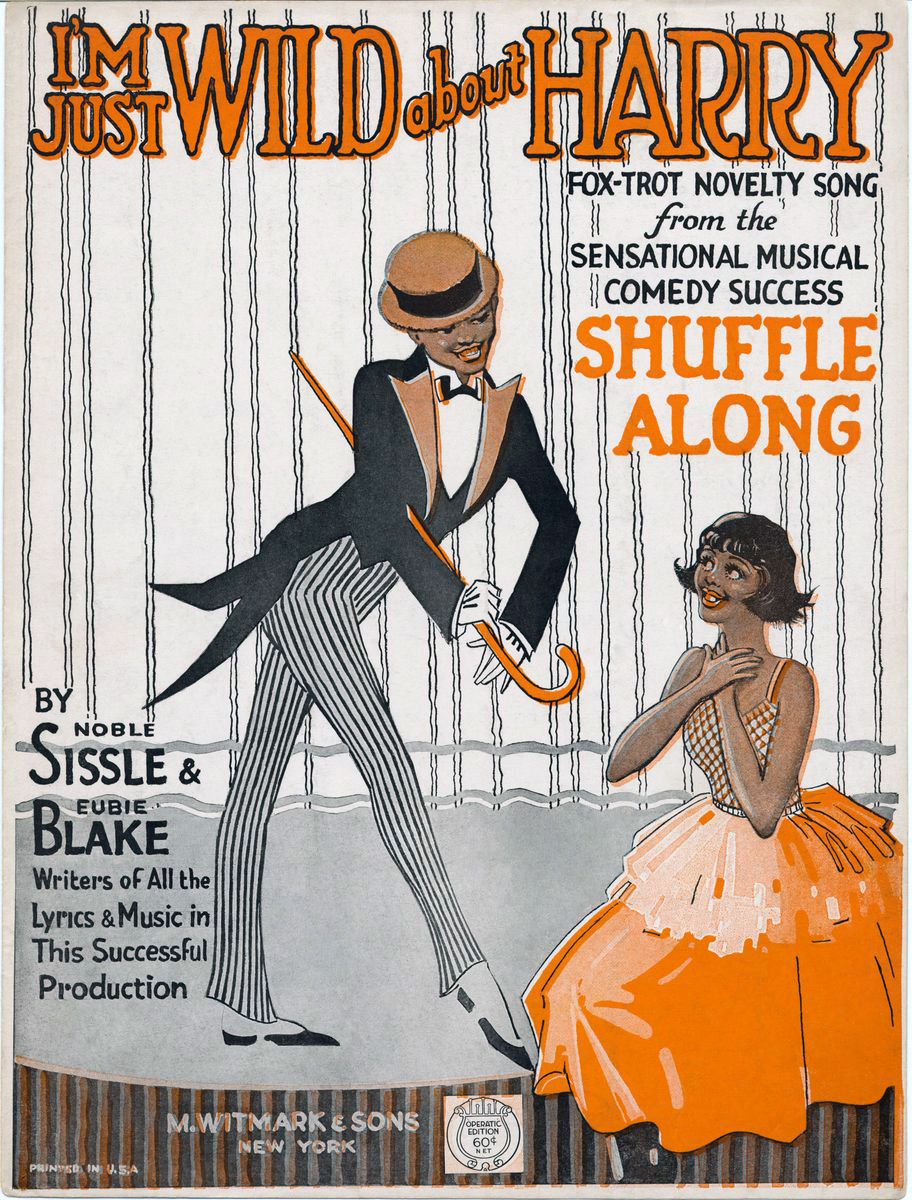
Blake achieved national recognition through musical theater and popular songs. His partnership with lyricist and bandleader Noble Sissle produced the long-running 1921 musical Shuffle Along, which helped open opportunities for African American performers on Broadway. From that and other projects came enduring numbers that entered the American songbook. Below are some highlights associated with Blake's career:
- Shuffle Along (musical collaboration that brought mainstream attention)
- Popular songs recorded and performed widely in the 20th century
- Solo piano compositions and arrangements that exemplify ragtime and stride
Historical context and notable facts
Blake emerged from the same African American musical world that produced ragtime and early jazz; within that milieu some performers later provided different accounts of early compositions and dates. For example, claims about composing pieces like "Charleston Rag" at an unusually young age have prompted debate among experts and comparisons to other cases of apparent backdating. Researchers note that while Blake sometimes maintained early dates for some works, there is no definitive evidence proving those exact claims. Specialists in genres such as ragtime examine stylistic and archival clues to place works in context rather than relying solely on later personal statements.
Legacy and influence
Blake's music remained part of American musical life long after his most active years. His songs have been performed, recorded, and anthologized; his piano approach is studied by students of ragtime and early jazz. The theatrical success of his collaborations helped open doors for African American creative teams in commercial theater and influenced musical comedy development. Contemporary revivals and scholarly work continue to reassess his contributions, keeping his name in discussions of early American popular music and piano traditions.
Further reading and archival material are available through musical collections and biographical studies; researchers often consult original performance programs, sheet-music editions, and official records to clarify questions about chronology and authorship. For more on Blake's recordings, stage work, and documented life events, see sources and collections indexed by national archives and music libraries.
Related topics and resources: stride piano, census records, and scholarly articles accessible via music-specialist repositories. Additional references and archival links are held in public and institutional collections that preserve early 20th-century American music history.
For direct archival entries and digitized documents consult institutional catalogs or bibliographies that list original registrations and certified copies, which often shed light on contested biographical details.
See also: document releases, historical overviews and curated exhibitions that explore Blake's place in American music history.
Notes: This article summarizes broadly known facts and established points of scholarly discussion about Eubie Blake. It avoids asserting contested specifics where primary documents present conflicting information.
Additional links and resources: Social Security record, registration files, and contextual essays on performers of the era (passport records).
For more bibliographic pointers and digitized manuscripts see institutional finding aids and specialized discographies dedicated to ragtime and early jazz performance history.
Related articles
Author
AlegsaOnline.com Eubie Blake: American Ragtime, Stride Pianist and Broadway Composer Leandro Alegsa
URL: https://en.alegsaonline.com/art/32455