
Express Yourself (Madonna song)
1989 dance-pop single by Madonna promoting female empowerment; noted for its influential David Fincher video, chart success, and extended remixes.
"Express Yourself" is a 1989 single by Madonna recorded for her fourth studio album. Musically it blends dance-pop rhythms with touches of funk and R&B, and its lyrics convey a message of self-respect and female empowerment. Madonna co-wrote and co-produced the song with longtime collaborator Stephen Bray; its confident chorus and brassy arrangement made it one of the era's most recognizable pop anthems.
Image gallery
10 Images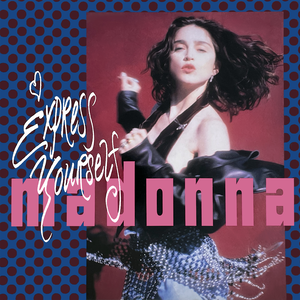


Composition and themes
The song uses assertive, declarative lines to encourage listeners—especially women—to demand respect and better treatment. Instrumentally it features punchy percussion, horns, and layered backing vocals that echo classic funk and soul influences; Madonna acknowledged that part of the record was a tribute to artists such as Sly and the Family Stone. Critics have noted how the track balances dancefloor appeal with a clear lyrical stance on autonomy.
Music video and imagery
Its high-profile music video, directed by a rising filmmaker, advanced the song's themes with striking visuals: industrial sets, power-dressing, and cinematic references that subvert traditional gender roles. The video was widely played on music television and helped cement the single's cultural impact, illustrating how pop performance and image-making reinforce a song's message.
Release, reception and charts
Upon release the single became a commercial hit, reaching number two on the US Billboard Hot 100 and earning strong international chart positions. The Recording Industry Association of America certified the single Gold, reflecting significant sales and airplay. Reviewers praised the combination of anthemic songwriting and polished pop production.
Versions, remixes and legacy
Several official remixes and extended versions circulated on 12-inch singles and compilations, including an extended cut that runs close to eleven minutes. These mixes helped the song cross over into club playlists and DJ sets. Over time "Express Yourself" has remained a staple in Madonna's catalog and a frequent reference point in discussions of empowerment in popular music.
- Genre: dance-pop with funk/R&B influences.
- Inspirations: tribute nods to Sly and the Family Stone and classic soul.
- Notable facts: acclaimed video, extended remixes, peak at Billboard Hot 100 #2, RIAA Gold.
- Associated album: Like a Prayer era recording.
Further reading: Contemporary reviews and retrospective analyses explore how the song combined mainstream pop production with progressive messaging; see artist profiles and music histories for more context. For discography details and release formats consult dedicated music databases and the artist's official catalog pages.
Related articles
Author
AlegsaOnline.com Express Yourself (Madonna song) Leandro Alegsa
URL: https://en.alegsaonline.com/art/33002
Sources
- riaa.com : "Express Yourself"