
Eswatini: a concise overview of the Kingdom formerly known as Swaziland
Eswatini is a small, landlocked kingdom in southern Africa with a dual urban center, a hereditary monarchy, and a culture centred on Swazi traditions and annual ceremonies.
Overview
Eswatini is a sovereign state in Africa, officially styled the Kingdom of Eswatini (Umbuso weSwatini). Formerly known as Swaziland, the country changed its official English name in April 2018 when King Mswati III announced the reversion to a native form. Eswatini is one of the smallest countries on the continent and is ruled by a hereditary monarch who combines traditional authority with modern state institutions.
Image gallery
10 Images



Geography and environment
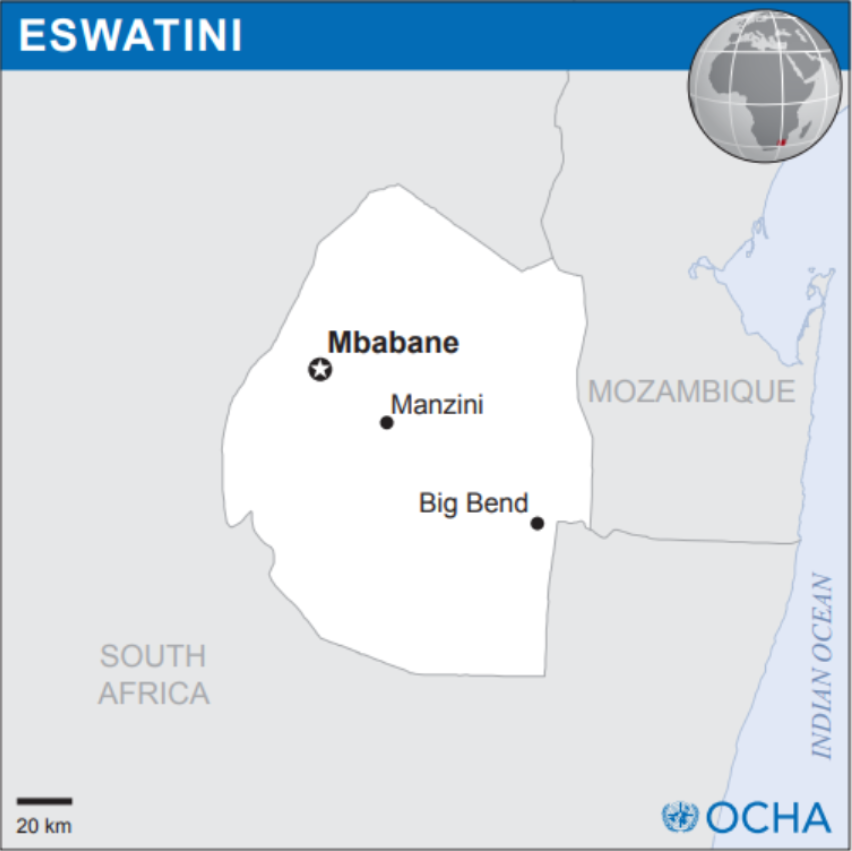
The kingdom is landlocked and compact: its maximum dimensions are roughly 200 kilometres north–south and 130 kilometres east–west. Eswatini does not touch the sea (landlocked) and shares borders with South Africa to the west and surrounds most of the country, and with Mozambique to the east. Its landscape ranges from rolling lowveld in the east to rugged highveld and mountains in the west, producing varied climates and supporting agriculture, forestry and protected wildlife areas.
History and political development
The Swazi state traces its origin to local clans consolidated under leaders such as Mswati II in the nineteenth century, from whom the modern name derives. During the late 1800s the area experienced incursions and competition from both Boer settlers (Boers) and the British (British), eventually becoming a British protectorate. Eswatini gained full independence in 1968. The country’s administrative capital is Mbabane, while Manzini functions as its principal commercial hub and Lobamba hosts the royal and legislative functions.
Government, society and culture
Eswatini is notable for its monarchy: the king exercises substantial political influence alongside appointed and elected bodies. The nation maintains many traditional institutions, including chieftaincies and national ceremonies that reinforce communal identity. The most widely spoken languages are siSwati and English. Cultural life is rich in music, dance, and seasonal rituals such as the Reed Dance and the Incwala, events that draw attention both locally and internationally.
Economy and challenges
The economy mixes agriculture (for example sugar and citrus), forestry, mining, manufacturing and services. Tourism, centred on cultural festivals and nature reserves, contributes income. Like many countries in the region, Eswatini faces development challenges including limited domestic resources, health burdens, and poverty. International partners and regional trade with neighbours remain important to its economy.
Quick facts
- Official name: Kingdom of Eswatini.
- Capital (administrative): Mbabane; main urban centre: Manzini; royal and legislative seat: Lobamba.
- Borders: South Africa and Mozambique.
- Modern name adopted in 2018 by King Mswati III.
- Historical influences: indigenous Swazi monarchy; contact with the Boers and the British in the 19th century.
For readers seeking more detail on specific topics—geography, history, governance or tourism—follow the linked references for introductory material and official statements from the kingdom and regional organizations.
Related articles
Author
AlegsaOnline.com Eswatini: a concise overview of the Kingdom formerly known as Swaziland Leandro Alegsa
URL: https://en.alegsaonline.com/art/32334
Sources
- wipo.int : "Laws"
- ilo.org : "Archived copy" · web.archive.org
- gov.sz : "Constitution"
- esa.un.org : "World Population Prospects: The 2017 Revision"
- swaziland.unfpa.org : "Swaziland Releases Population Count from 2017 Census" · web.archive.org
- imf.org : "Report for Selected Countries and Subjects"
- documents.worldbank.org : "Swaziland – Country partnership strategy FY2015-2018"
- hdr.undp.org : "Human Development Report 2019"
- bbc.com : "Swaziland king changes the country's name"
- dol.gov : "2001 Findings on the Worst Forms of Child Labor"
- state.gov : "Background Note:Swaziland"
- ethnologue.com : "Ethnologue: Languages of the World, Sixteenth edition"