
Mswati III, King of Eswatini
Mswati III (born Prince Makhosetive, 1968) is the monarch of Eswatini. This article summarizes his life, role, governance, personal practices, and controversies surrounding his reign.
Overview
Mswati III (born Prince Makhosetive on 19 April 1968) is the reigning king and head of the royal family of Eswatini. He ascended the throne as a young man following the death of his father, Sobhuza II, and has remained the central political figure in the country since the mid-1980s. His position combines ceremonial duties with substantial constitutional and customary authority.
Image gallery
6 Images


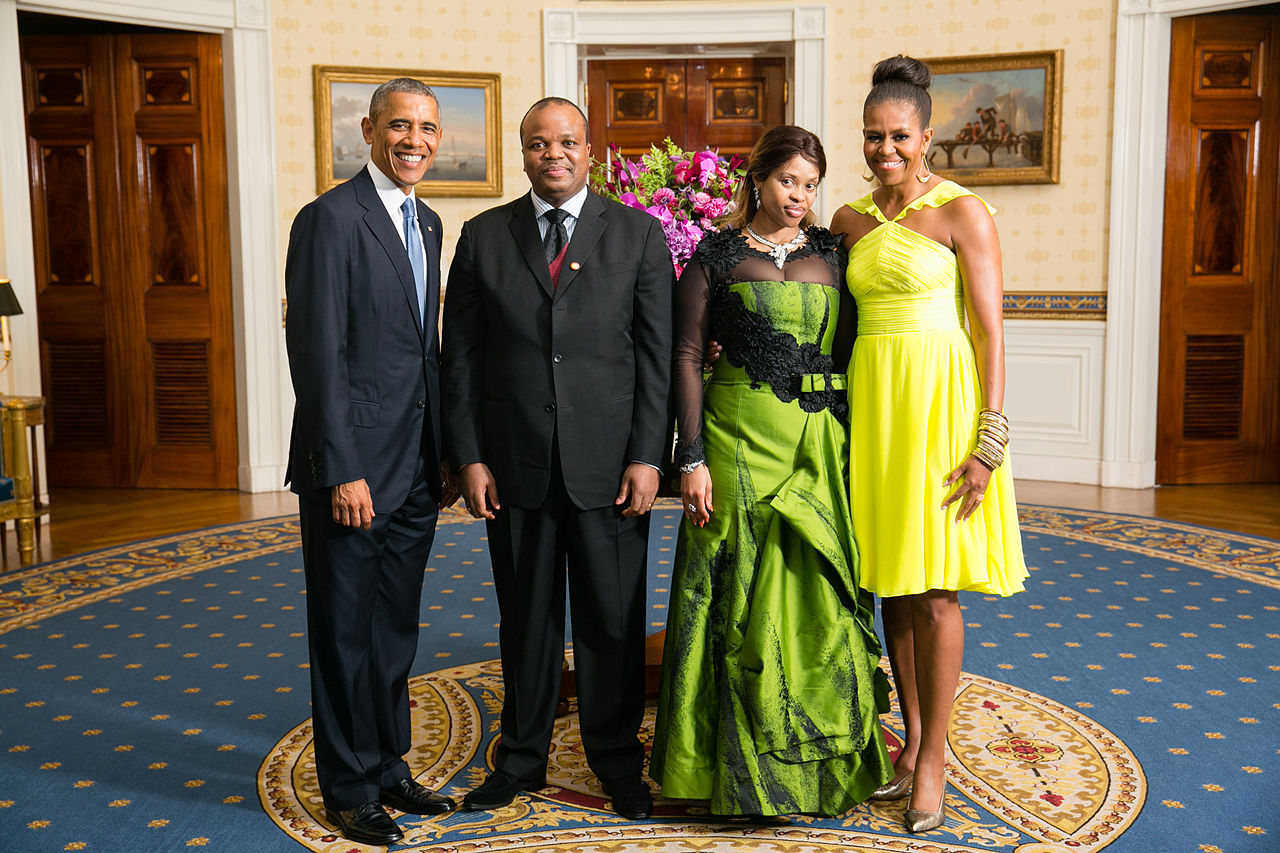


Early life and accession
Mswati was born in Manzini. After the death of his father, he was declared king while still a teenager and formally took full powers several years later. During the early years of his reign he maintained diplomatic and practical links with neighboring regimes; observers note that the regional context, including relations with apartheid South Africa at the time, influenced his domestic and foreign policies.
Role and powers
Under Swazi custom and the country's legal framework the king holds wide-ranging influence. His roles include appointing key officials, dissolving government bodies in some circumstances, and serving as a symbolic and political leader. The interaction between traditional authority and modern institutions shapes governance in Eswatini.
Personal life and succession
Mswati follows Swazi royal custom by taking multiple wives, a practice often described as polygamy. Brides have sometimes been chosen after national cultural events, which has led to public discussion about the process. Critics and supporters disagree over whether these selections respect personal choice; some complaints characterize aspects of the practice as coercive in individual cases, while defenders frame them as cultural tradition and state protocol (marriage tradition).
Criticism and contemporary issues
His reign has attracted scrutiny from domestic activists and international observers. Human rights organizations and activists have raised concerns about restrictions on political opposition, limits on press freedom and the imprisonment of critics and protesters. There have been reported cases involving journalists and demonstrators which critics say demonstrate a pattern of suppressing dissent (press freedom cases).
Context and significance
Mswati III remains a central figure in one of Africa's few remaining absolute monarchies. Debates over his rule touch on national identity, traditional governance, economic inequality, public health challenges and calls for democratic reform. His decisions continue to shape Eswatini's domestic policies and its relations with regional and international partners.
- Born: 19 April 1968
- Notable actions: continued monarchical governance, changed national symbols and international profile
- Controversies: governance style and human rights concerns
Further reading and sources are available through official and independent accounts; for introductory context about the country and its institutions see general reference material and nationally focused reports.
Author
AlegsaOnline.com Mswati III, King of Eswatini Leandro Alegsa
URL: https://en.alegsaonline.com/art/127276