
Mbabane: Administrative Capital of Eswatini
Summary of Mbabane, Eswatini’s administrative capital: location, geography, history, economy, culture, transport and visitor information for the Hhohho district.
Overview
Mbabane is the administrative capital of the Kingdom of Eswatini, situated in the north‑western highlands of the country. The city stands at the confluence of the Mbabane and Polinjane rivers in the Mdimba Mountains and serves as the district capital of Hhohho. Estimates of the urban population commonly indicate around 70,000 residents, though numbers vary with different definitions of the urban area and commuter belts (population).
Image gallery
9 Images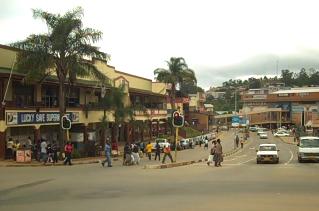



Geography and climate
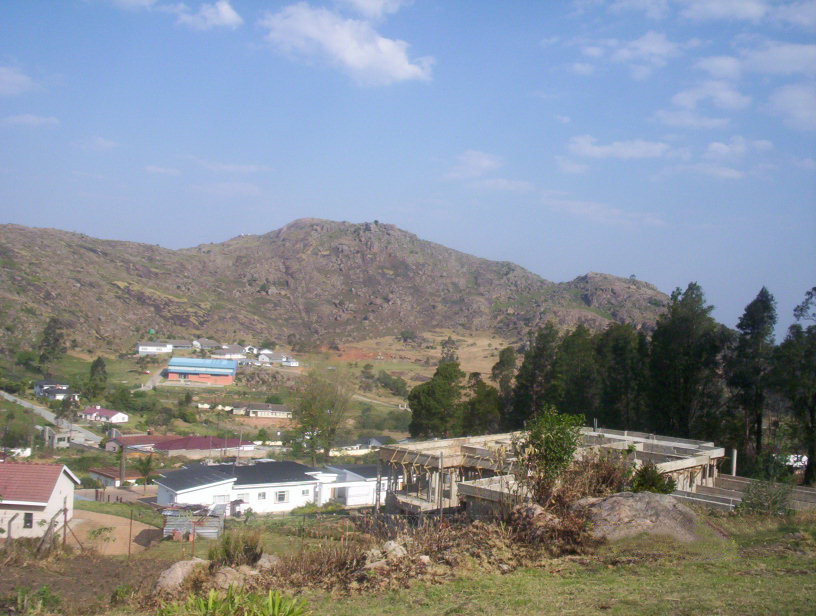
Positioned at relatively high elevation, Mbabane has a milder, cooler climate than Eswatini's lowland plains. The surrounding hills and river valleys produce frequent mist, seasonal rain and cooler nights, conditions that support forestry and some highland agriculture. The landscape makes the city a gateway between the central highlands and lower agricultural regions, with road links that connect to international border crossings and to other urban centres.
History and development
The town expanded after the colonial administration relocated its local administrative centre to the site in the early 20th century. Named after a local chief, Mbabane grew principally as an administrative and service town rather than a major industrial metropolis. Although it is the administrative capital, some national ceremonial and legislative functions are held in nearby Lobamba, which remains the royal and parliamentary centre.
Economy and industry
Mbabane's economy is based on public administration, commerce, services and tourism. The city is the principal commercial centre for the surrounding highveld and for the wider surrounding region. Small manufacturing, retail trade and professional services are important employers. Mineral deposits in the broader region have included occurrences of tin and iron that were historically mined, though large‑scale mining has not defined the modern urban economy.
National economic activity also relies on agriculture and processing, with forestry, sugar production and related industries contributing to income. Policy documents and analyses often highlight the role of tourism (tourism) and agricultural sales such as sugar exports as sources of foreign revenue and employment; local services in Mbabane support those sectors. Broader economic planning for the region emphasises diversification and support for small businesses.
Culture, language and society
The majority of inhabitants in Mbabane speak siSwati, which is the principal language of daily life and community affairs (main language). English is widely used in government, commerce, education and legal settings, so multilingualism is common in public life. The city hosts markets, craft centres and cultural institutions where traditional arts—textiles, basketry and carving—are sold and exhibited.
Transport and infrastructure
Good road connections link Mbabane to the rest of Eswatini and to neighbouring South Africa, making the city an important transport node for goods and visitors. Public services and utilities are concentrated in and around the city, including administrative offices, health clinics and educational institutions. While Mbabane does not have a major international airport within the city itself, regional airports and road links provide access for travellers and freight.
Tourism and points of interest
Visitors to Mbabane find a mixture of civic buildings, markets, museums and craft shops reflecting Eswatini's cultural heritage. The surrounding highland scenery offers opportunities for short nature excursions, viewpoints and day trips to reserves and cultural villages. The city is frequently used as a base for exploring national parks and conservation areas elsewhere in the kingdom.
Administration and practical information
As the seat of several government departments, Mbabane plays a central role in national administration and in services for the Hhohho district. Practical information for visitors and researchers includes contacts with municipal offices, tourist information centres and cultural organisations. Spoken languages, transport schedules and seasonal weather patterns are useful considerations when planning travel.
Further reading and resources
General context on the continent and region can be found through regional overviews of Africa and country profiles for Eswatini. For demographic and planning data see population resources (population), regional studies of the surrounding region, and reports on national economic sectors. More specialised material covers mining history (tin, iron) and past operations that were mined near the city. Visitor guidance is available from tourism pages (tourism) and agricultural export summaries such as those addressing sugar exports.
Related articles
Author
AlegsaOnline.com Mbabane: Administrative Capital of Eswatini Leandro Alegsa
URL: https://en.alegsaonline.com/art/63185