
Étang Saumâtre (Lake Azuei) — Brackish lake on Hispaniola
Étang Saumâtre (Lake Azuei) is Haiti's largest lake, a brackish water body on the Hispaniolan plain, notable for its wildlife, arid surroundings, and position along the Haiti–Dominican Republic border.
Étang Saumâtre is the largest lake in Haiti and the second-largest on the island of Hispaniola, after Lake Enriquillo. Commonly called Lake Azuei in English, and known locally in the neighboring country as Lago del Fondo, the lake occupies a low-lying, dry portion of the Plain of the Cul-de-Sac. Its pre-Columbian Taíno name is recorded as Yainagua. The body of water lies roughly 29 kilometres east of Port-au-Prince and forms part of the international boundary; the Dominican border town of Jimaní is very close to the lake's southeast end.
Image gallery
8 Images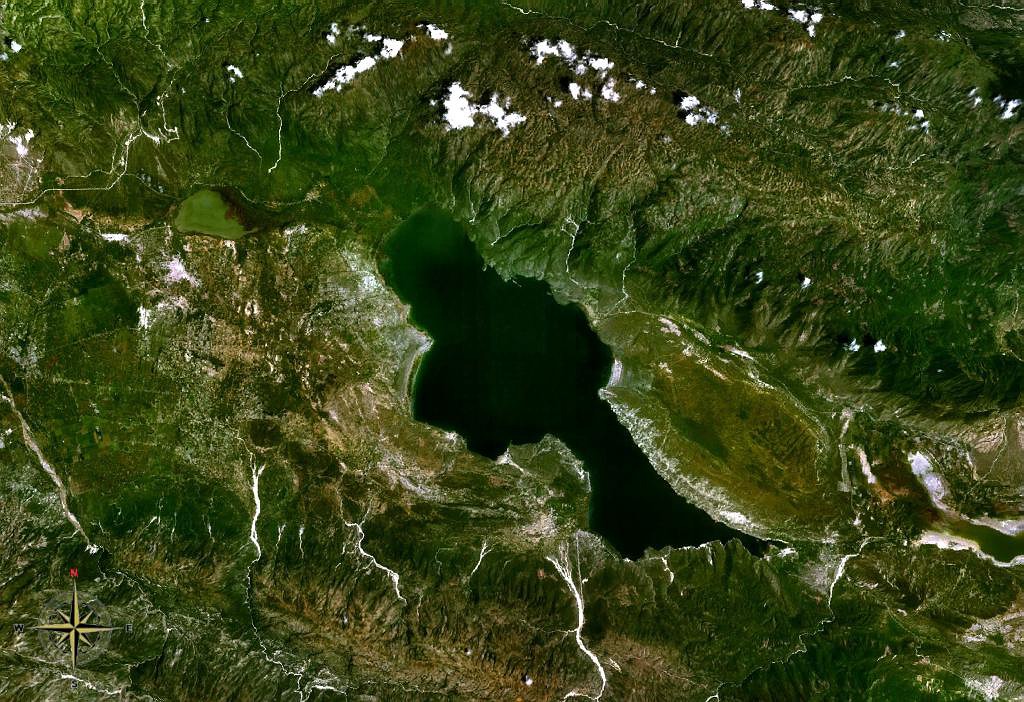




Geography and physical characteristics
Étang Saumâtre is a saline or brackish water body rather than a typical freshwater lake. Descriptions often call it a pond in older sources, but its surface and extent are far larger than that term implies. The lake stretches approximately 22 kilometres along a northwest–southeast axis and reaches a maximum width near 12 kilometres. Its reported area is about 170 square kilometres. The water has a deep blue tone and a salinity commonly described as about one-fifth that of seawater, reflecting its brackish character and limited freshwater inputs. Few significant rivers flow into the basin, and seasonal evaporation is a major influence on water levels.
Ecology and wildlife
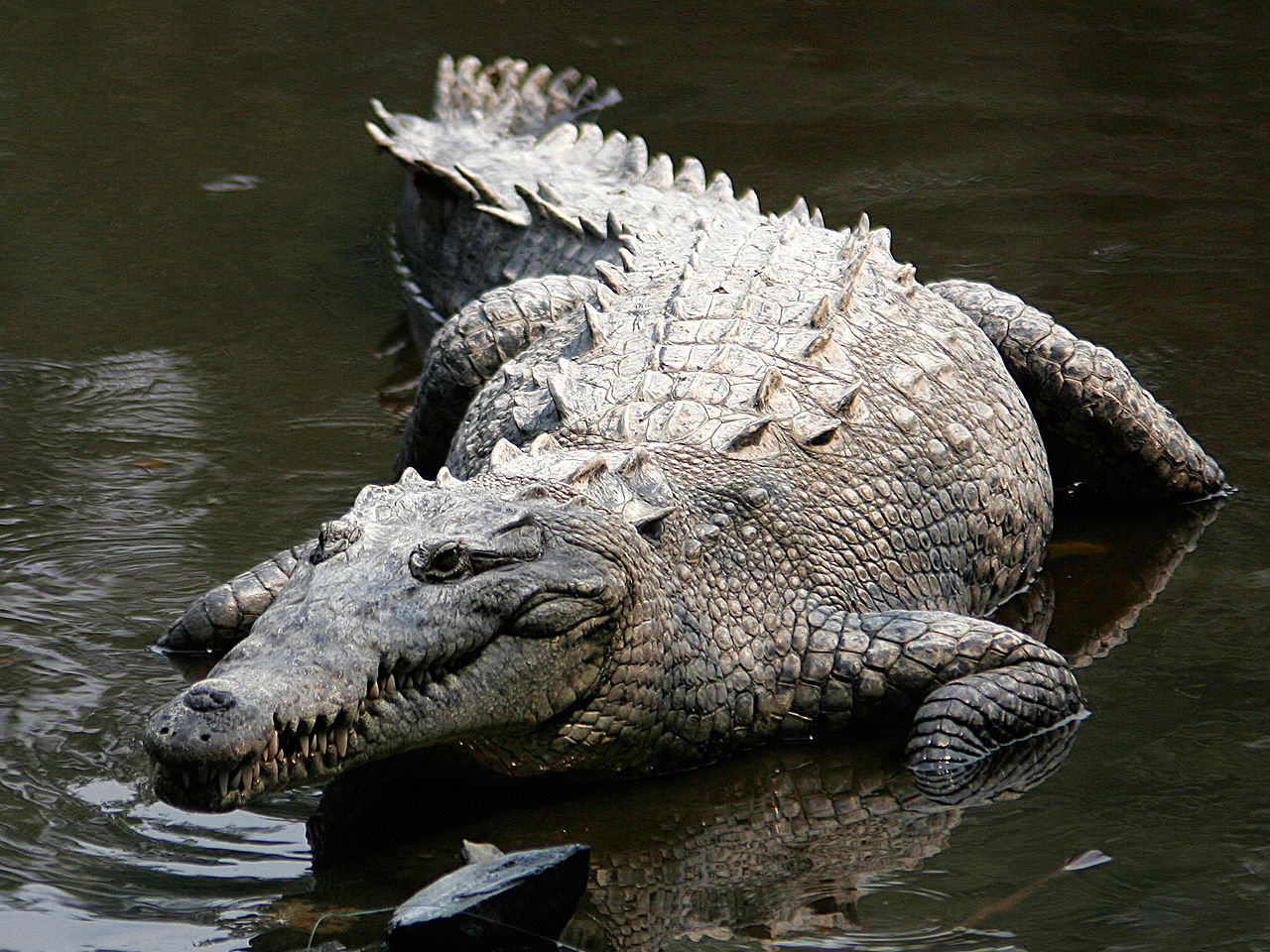
The lake and its margins support a range of species adapted to saline and arid conditions. Numerous waterbirds use the site as feeding or resting habitat, including groups of flamingos when conditions are right. Aquatic fauna include various fishes, with introduced and cultivated species such as tilapia present in local catches. Reptiles such as the American crocodile occur in and around the shallows. Plant life is sparse around much of the shoreline: the surrounding landscape is xeric and dominated by hardy species, and references note low, drought-tolerant vegetation such as cacti and small shrubs.
Human use, names and history
People living near the lake depend on it for subsistence fishing and, in places, small-scale irrigation or watering livestock. The dual naming—French/Creole Étang Saumâtre and Spanish Lago del Fondo—reflects the lake's borderland position and the island's colonial history. The Taíno name provides an earlier layer of cultural connection. Because the basin lies in an arid plain and receives little river inflow, human activity and climatic variability have visible effects on shoreline extent and water quality.
Conservation and notable issues
Étang Saumâtre is ecologically important for regional bird populations and for local livelihoods, but it faces common pressures: fluctuating water levels, increasing salinity in some areas, habitat change, and the consequences of development and land-use change in adjacent plains. Conservation efforts and scientific monitoring have been intermittent; international and local attention often focuses on the broader cross-border watershed and the comparison with nearby saline basins such as Lake Enriquillo. The lake remains a distinctive feature of Hispaniola's landscape and an important natural resource for communities on both sides of the frontier.
For further context see regional overviews and maps of the Plain of the Cul-de-Sac and of Hispaniola's inland basins via general reference portals and local environmental reports (largest lake dynamics, water balance studies and biodiversity assessments).
Questions and answers
Q: What is the name of Haiti's largest lake?
A: The largest lake of Haiti is Étang Saumâtre, also known as Lake Azuei or Lago del Fondo.
Q: Where is Étang Saumâtre located?
A: Étang Saumâtre is located 29 kilometres (18 mi) east of Port-au-Prince in the Ouest Department. Its eastern side is part of the border between Haiti and the Dominican Republic.
Q: How long and wide is Étang Saumâtre?
A: Étang Saumâtre has a length, from northwest to southeast, of 22 kilometres (14 miles). Its maximum width is 12 kilometres (7.5 miles). The total area is 170 square kilometres (66 square miles).
Q: What color is the water in this lake?
A: The water of the lake is dark blue.
Q: How salty does it compare to sea water?
A: Its salinity is about one fifth (1/5) the salinity of sea water.
Q: Are there any animals living near this lake?
A: Yes, many water birds visit the lake to feed, including flamingos. There are also American crocodiles and some fishes including tilapia.
Q: Is there much vegetation around this lake?
A: Because it is an arid region, the vegetation around the lake is poor with cacti and small shrubs.
Related articles
Author
AlegsaOnline.com Étang Saumâtre (Lake Azuei) — Brackish lake on Hispaniola Leandro Alegsa
URL: https://en.alegsaonline.com/art/32349
Sources
- commons.wikimedia.org : Etang Saumatre
- fao.org : "Aquaculture development in the Caribbean"