
Erich Ludendorff: German general and World War I strategist
Erich Ludendorff (1865–1937) was a German Army leader and strategist in World War I, influential in wartime planning and postwar nationalist politics; his wartime successes and later politics remain controversial.
Overview
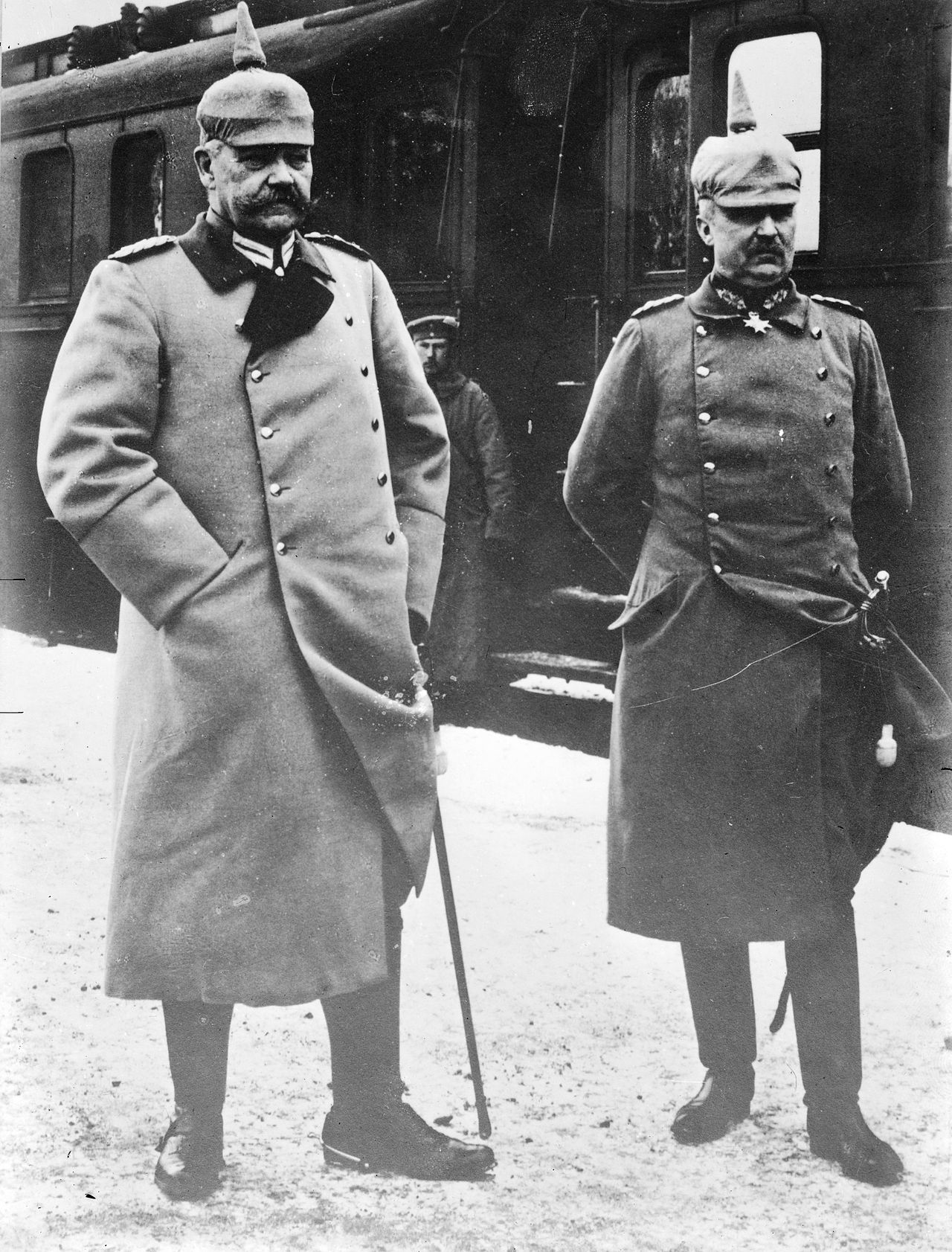
Erich Friedrich Wilhelm Ludendorff was born on April 9 1865 and died on December 20 1937. He was a prominent German Army officer who rose to national prominence during the First World War. Best known for his role as Generalquartiermeister and as the operational partner of Paul von Hindenburg, Ludendorff played a central part in planning and directing several early German victories and later campaigns.
Image gallery
10 Images




Military career and notable actions
Before 1914 Ludendorff advanced through staff and field appointments. During the opening months of World War I he was associated with major engagements: he shared credit for the victory at Tannenberg and was involved in operations around the fortress of Liège. His influence grew rapidly after 1916 when he assumed the office of Generalquartiermeister, becoming effectively the chief planner of German strategy.
Approach, tactics and the 1918 offensives
Ludendorff emphasized aggressive operational planning, tighter coordination between infantry and artillery, and the use of specially trained assault units. By 1918 he directed the spring offensives intended to break the Western Front before American forces arrived in strength. Those operations produced temporary gains but failed to secure a decisive strategic result, and Germany ultimately capitulated later that year.
Postwar politics and the interwar years
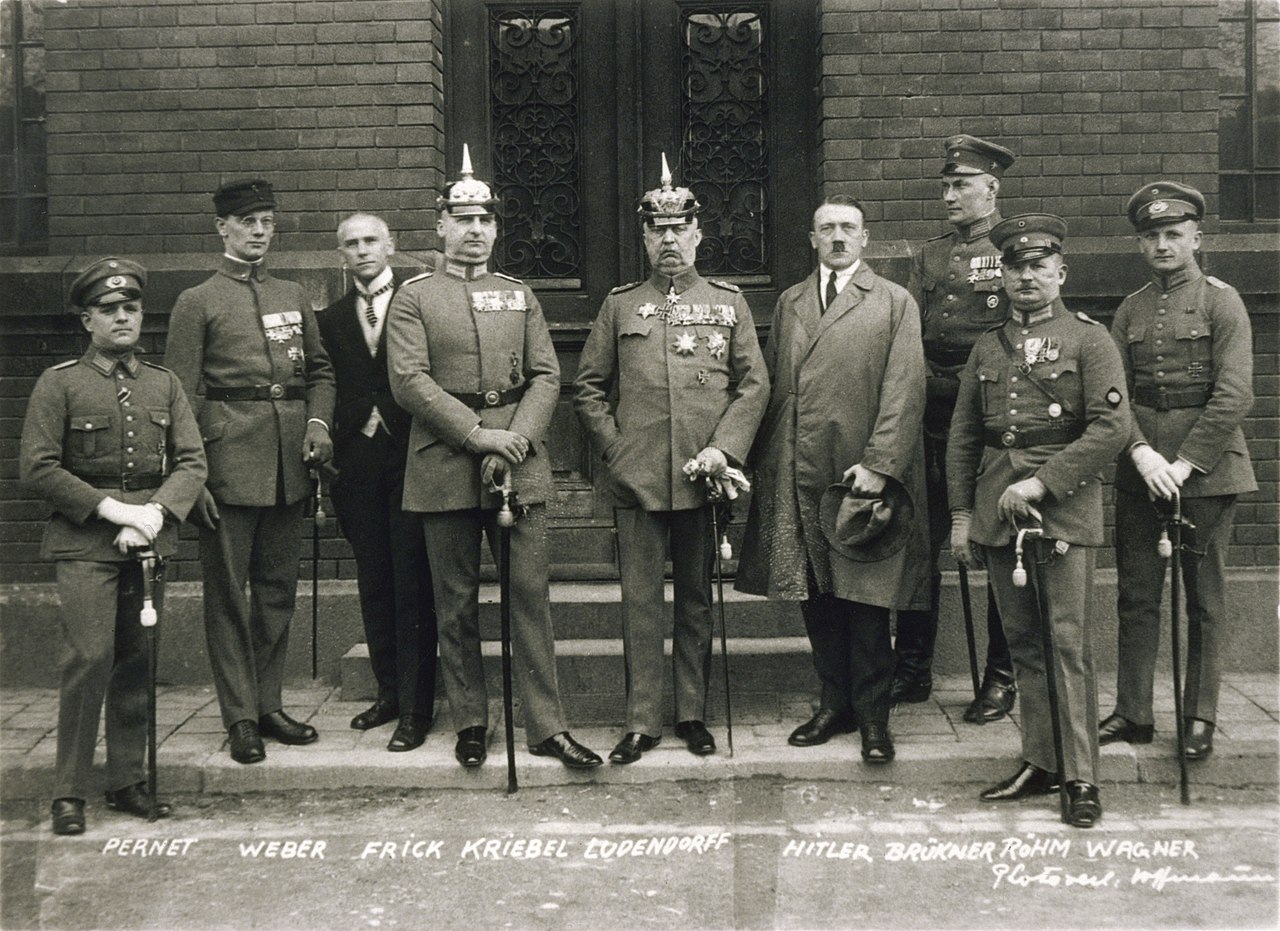
After the armistice Ludendorff became an outspoken critic of the Weimar Republic and a proponent of right-wing nationalist narratives, including the “stab-in-the-back” explanation for Germany's defeat. He briefly aligned with early National Socialist leaders and publicly supported Adolf Hitler and the Nazi Party in the early 1920s. Ludendorff took part in the failed Beer Hall Putsch, was arrested, and later left active politics after the trial and ensuing disillusionment.
Legacy and assessment
Ludendorff's record is mixed: he is recognized for operational innovations and energetic leadership, but his strategic choices and political activities are widely criticized. Historians credit him with helping shape modern operational thinking while also holding him responsible for some of the decisions that prolonged the war and for fostering extremist politics in the postwar period.
Further notes
Related articles
Author
AlegsaOnline.com Erich Ludendorff: German general and World War I strategist Leandro Alegsa
URL: https://en.alegsaonline.com/art/31908