
Erich Raeder: German Grand Admiral and Kriegsmarine Commander
Erich Raeder (1876–1960) was a senior German naval officer, long-time head of Germany's navy, promoted to Großadmiral in 1939, proponent of a large surface fleet, replaced by Karl Dönitz and tried at Nuremberg.
Erich Johann Albert Raeder (24 April 1876 – 6 November 1960) was a senior German naval officer who rose to lead the nation's navy in the years surrounding the Second World War. Born in Wandsbek, he served in the Imperial German Navy during the First World War and remained a leading figure in the interwar Reichsmarine and later the Kriegsmarine. In 1939 he was promoted to the rank of Großadmiral (Grand Admiral), the highest naval rank in Germany.
Image gallery
9 Images


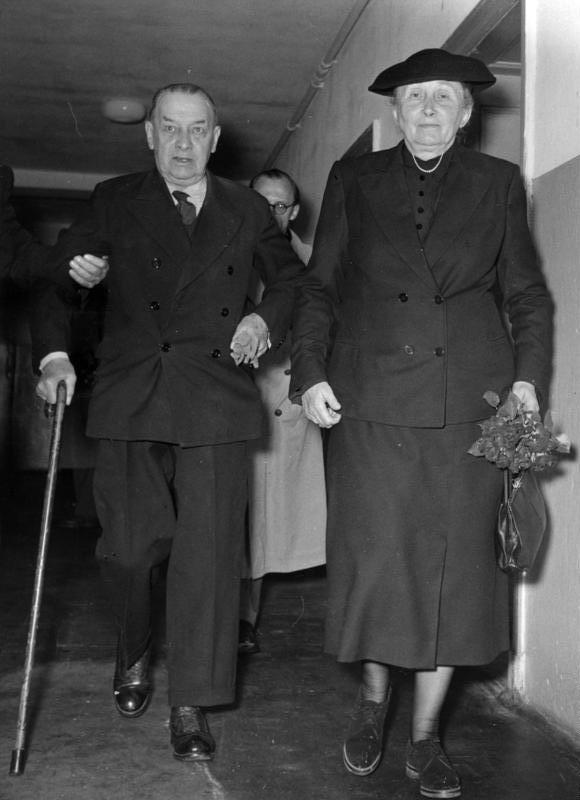

Career and naval strategy
Raeder's professional life centered on building a balanced, high-seas surface fleet capable of challenging enemy navies in battle. He favored capital ships and cruisers and was a principal advocate for an ambitious prewar shipbuilding program often referred to as Plan Z. That program, begun in the late 1930s, aimed to expand surface forces rather than concentrate solely on submarine warfare. Raeder's approach reflected traditional naval thinking that prized fleet engagements and control of sea lines of communication.
Second World War and replacement
When the Second World War broke out, Raeder remained at the head of the navy and attempted to implement his strategic vision under difficult political and material constraints. The realities of war — limited resources, shifting strategic priorities, and the demonstrated effectiveness of U-boat campaigns — increasingly favored the submarine doctrine promoted by his successor. In 1943 Raeder stepped down and was replaced by Karl Dönitz, who shifted emphasis toward unrestricted submarine warfare and convoy interdiction.
Trial, conviction and legacy
After Germany's defeat Raeder was among the major figures indicted at the Nuremberg Trials. He was convicted by an international tribunal on charges related to planning and waging aggressive war and received a severe sentence. He spent years in custody before being released for health reasons in the mid-1950s. Raeder died in Kiel in 1960.
- Rank: Promoted to Großadmiral (Grand Admiral) in 1939.
- Strategic view: Advocated a large surface fleet and traditional fleet actions.
- Controversy: Tried and convicted at the Nuremberg proceedings for his role in the regime's war policies.
- Successor: Replaced by Karl Dönitz, who emphasized U-boat warfare.
Raeder remains a contested figure in naval history. His career illustrates tensions between old-line naval doctrine and the operational realities of total war, as well as the moral and legal consequences faced by military leaders after aggressive international conflict. For more on his life and the institutions he led, see resources on German naval history and the naval leadership of the era in Germany.
Related articles
Author
AlegsaOnline.com Erich Raeder: German Grand Admiral and Kriegsmarine Commander Leandro Alegsa
URL: https://en.alegsaonline.com/art/31912