
Erik Carlsson (1929–2015), Swedish rally driver
Erik Carlsson was a pioneering Swedish rally driver for Saab, celebrated for his skill in adverse conditions, his promotion of front-wheel-drive cars, and his international rally victories.
Overview
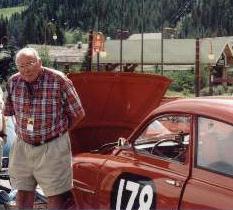
Erik Carlsson, often known by the nickname "Carlsson på taket" (literally "Carlsson on the roof"), was a prominent Swedish rally driver who became closely identified with the Saab marque. Born in 1929, he emerged as one of the most recognized figures in postwar rallying by demonstrating how compact, front-wheel‑drive cars could compete successfully on demanding international stages.
Image gallery
4 Images


Career and driving style
Carlsson raced primarily in the 1950s and 1960s and built a reputation for exceptional car control on snow, ice and gravel. He was admired for a measured yet bold approach: exploiting the traction advantages of front‑wheel‑drive vehicles, adapting engine and braking techniques to slippery surfaces, and maintaining mechanical sympathy that kept cars running over long events. His performances helped change perceptions about which layouts and vehicle sizes were competitive in rallying.
Cars and technical approach
Most of Carlsson’s notable outings were in compact Saab models, notably the Saab 96 and related variants. These cars were light, durable and front‑wheel drive, and they often used small, high‑revving engines. Carlsson worked closely with Saab engineers and mechanics to tune cars for endurance stages, and he became known for improvising simple but effective repairs under rally conditions.
Achievements and recognition
- Secured international victories that raised Saab’s profile in motorsport and among consumer buyers.
- Influenced driving techniques for winter and loose‑surface rallies.
- Earned a distinctive public persona and nickname that reflected his daring image.
Personal life and later years
Erik Carlsson was born in Trollhättan, the Swedish industrial town strongly associated with Saab. He married British rally driver Pat Moss — herself a leading competitor and sister of racing driver Stirling Moss — in London. Carlsson remained a respected figure in historic motorsport circles and among Saab enthusiasts until his death in 2015.
Legacy
Carlsson’s legacy is twofold: technical and cultural. Technically, his successes helped validate front‑wheel‑drive layouts and lightweight engineering in competitive rallying. Culturally, he personified an era when individual drivers could elevate a small manufacturer to global attention. Enthusiasts still celebrate his skill, his close ties to Saab, and his role in popularizing rallying in cold‑weather environments.
Related articles
Author
AlegsaOnline.com Erik Carlsson (1929–2015), Swedish rally driver Leandro Alegsa
URL: https://en.alegsaonline.com/art/31924
Sources
- teknikensvarld.se : "Erik Carlsson "Carlsson på taket" är död"