
Epistle to Titus
A concise guide to the Epistle to Titus: its place in the Christian canon, authorship and date, structure and themes, instructions for church leaders, and its role among the Pastoral Epistles.
The Epistle to Titus is a short letter in the Christian canon traditionally attributed to the Apostle Paul. It appears late in the canonical order as the fifty-sixth book of the collection commonly called the Christian Bible and is counted among writings of the New Testament. The letter is addressed to Titus, a trusted companion of Paul who served as a local pastor and church organizer, and it focuses on practical matters of church leadership and church life.
Image gallery
5 Images


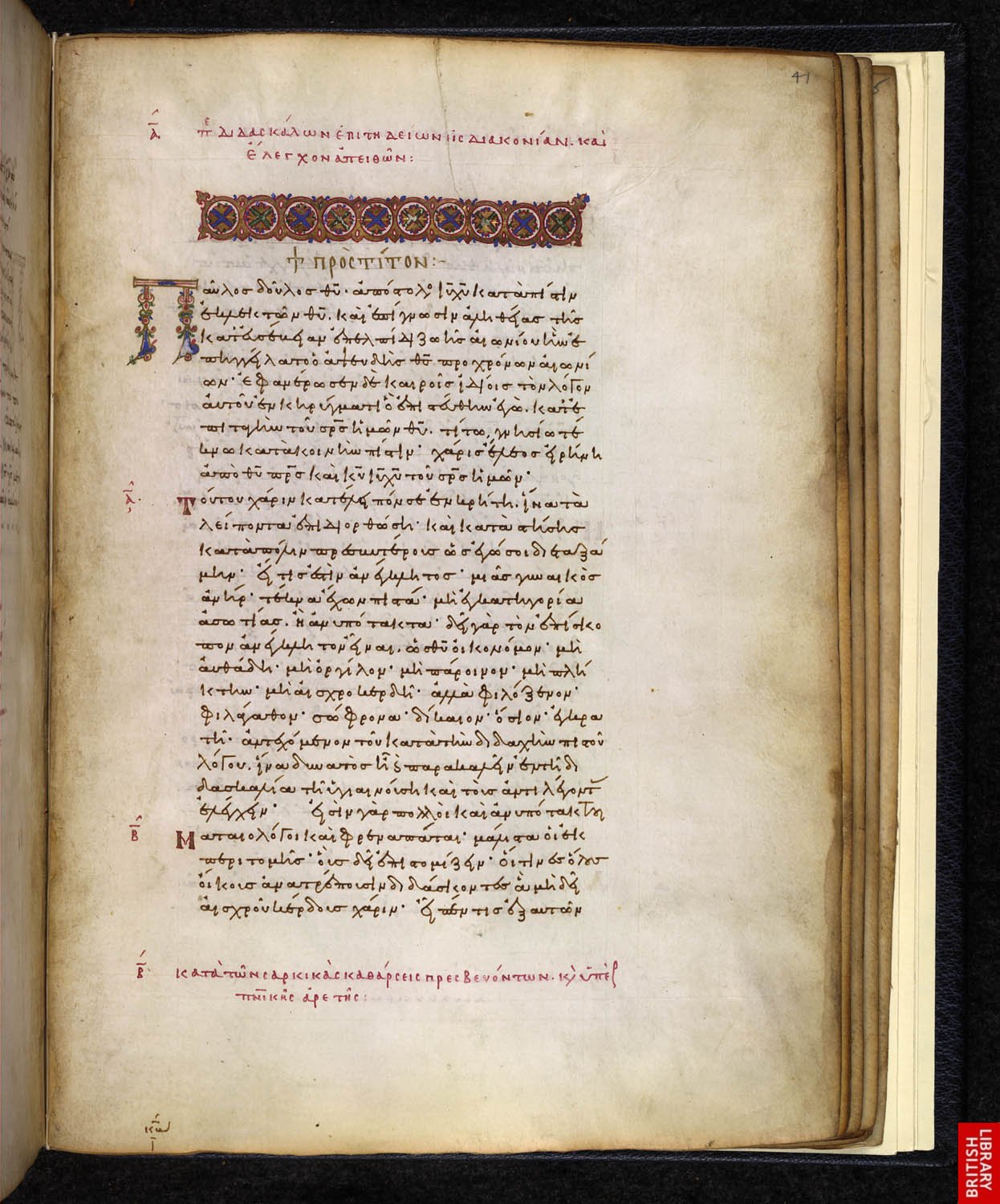

Content and structure
The epistle is concise and mainly prescriptive. It outlines qualifications and duties for local leaders, warns against false teachers, and sets out behaviors appropriate for different groups in the community. Key motifs include sound doctrine, moral conduct, and the visible expression of faith through good works. The letter balances doctrinal instruction with practical guidance for daily ministry.
Main themes and instructions
- Qualifications for leaders: a description of the character and family life expected of elders and overseers, often summarized as traits of maturity and integrity.
- Teaching and discipline: directions for confronting error and strengthening faithful teaching in congregations.
- Ethics and good works: repeated calls for believers to demonstrate their faith in behavior that benefits the wider community.
- Relation to false teaching: cautionary material aimed at opposing divisive or unreliable teachers.
Historical context and authorship
According to church tradition, Paul wrote to Titus to organize churches on the island of Crete and to leave Titus in a leadership role there. The precise date and circumstances are not settled among modern scholars: some accept an early Pauline authorship while others regard it as the product of a later leader writing in Paul’s name. Regardless of the debate, the letter reflects concerns common to first-century house churches as they developed more formal leadership structures.
Importance and uses
The Epistle to Titus has been influential in shaping Christian understandings of pastoral qualifications and congregational order. It is studied in discussions of ecclesiology (the theology of the church), pastoral care, and moral teaching. Many traditions draw on its formulas for appointing local leaders and for balancing teaching with ethical example.
Distinctive notes
Titus is grouped with two other short letters addressed to ministers—commonly called the Pastoral Epistles—and is often compared with those letters for overlapping themes about church order and ministry. The letter uses terms for local leadership translated variously as elders and bishops, reflecting early Christian efforts to describe roles now recognized in different ways across denominations. Its practical tone and emphasis on conduct make it a frequent resource for clergy formation and lay instruction.
Related articles
Author
AlegsaOnline.com Epistle to Titus Leandro Alegsa
URL: https://en.alegsaonline.com/art/31758
Sources
- tools.wmflabs.org : Titus 1:9–16
- tools.wmflabs.org : Timothy&verse=1:6&src=ESV 1 Timothy 1:6