
Epistulae morales ad Lucilium (Seneca's Moral Letters)
A concise guide to Seneca the Younger's 124 Moral Letters to Lucilius: form, themes, historical context, notable letters, manuscript transmission, and influence on moral thought.
Overview
The Epistulae morales ad Lucilium, commonly called Seneca's Moral Letters to Lucilius, is a collection of 124 letters composed by the Roman Stoic philosopher Seneca the Younger in the final years of his life. Written to his friend and correspondent Lucilius — known chiefly from Seneca's own references and then serving as a provincial governor — these letters combine intimate epistolary address with concise moral advice. They are dated to the early 60s AD, and they repeatedly stress practical Stoic themes such as virtue as the highest good, the management of desire and anger, and the proper use of time.
Image gallery
4 Images

Form, style, and structure
Each letter opens with the conventional greeting "Seneca Lucilio suo salutem" and closes with the simple farewell "Vale." Although nominally private correspondence, many letters read like short essays or meditations: aphoristic, rhetorical, and illustrated by anecdotes from history and everyday life. Seneca mixes personal counsel with bold moral prescriptions, literary allusions, philosophical argument, and vivid examples to make Stoic precepts practically applicable.
Main themes and notable letters
Recurring themes include the brevity and value of life, the pursuit of wisdom, the preparation for death, the discipline of desire, the control of anger, and the calming of the mind. Two of the most famous entries emphasize these concerns explicitly: Letter 1, "On Saving Time," exhorts Lucilius to value and guard his time; Letter 49, "On the Shortness of Life," argues that life is long enough when used well. Many other letters offer concrete methods for self-examination, reading, solitude, and friendship.
Historical context and authorship
Seneca wrote these letters when he was over sixty and deeply involved with Roman political life under Emperor Nero. They reflect the tension between public power and private philosophical practice: though Seneca had been a statesman and imperial advisor, he advocates inner freedom obtained through Stoic training. Lucilius, the addressee, appears as a junior official seeking guidance; his precise biography is otherwise obscure.
Transmission, editions, and influence
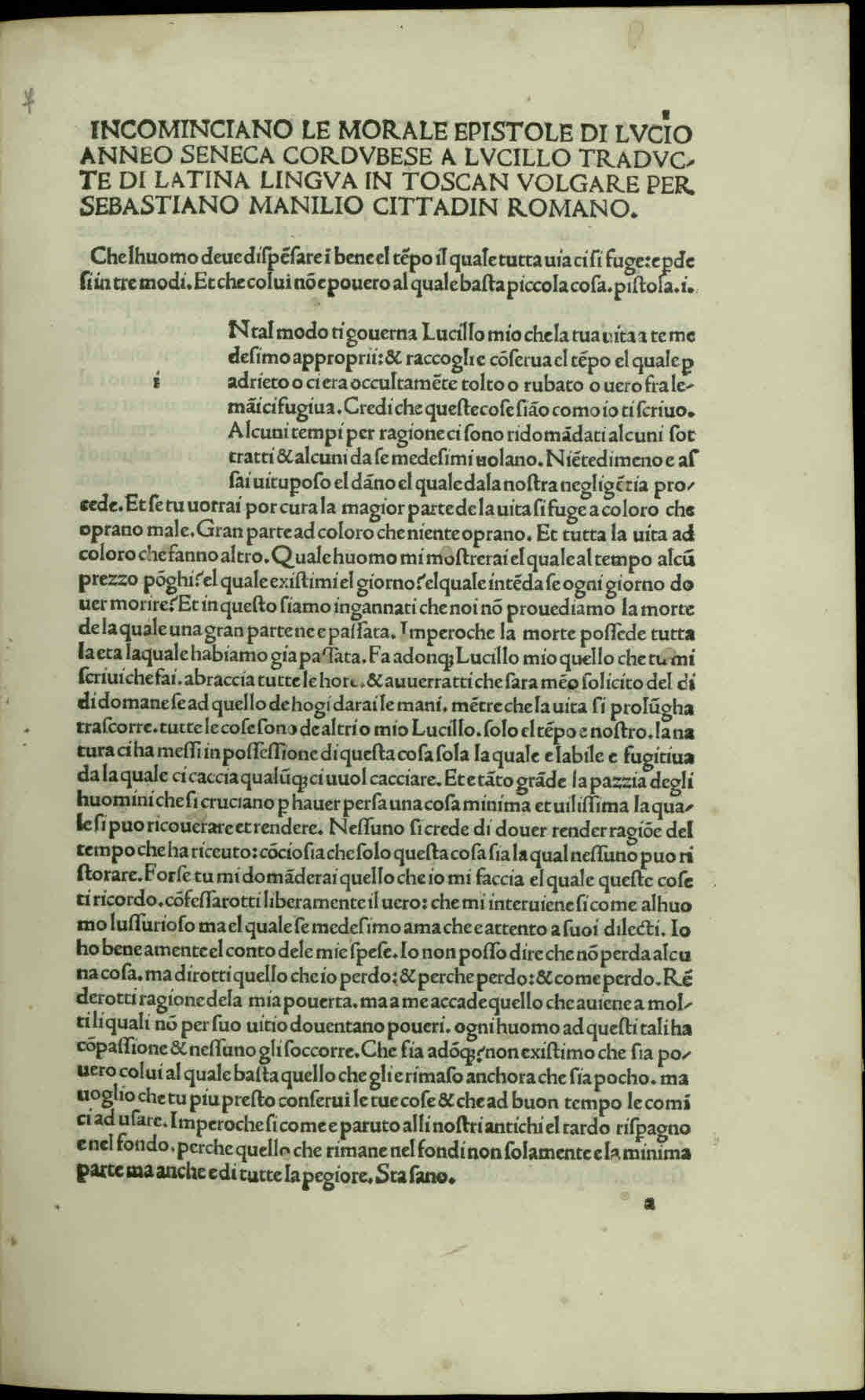
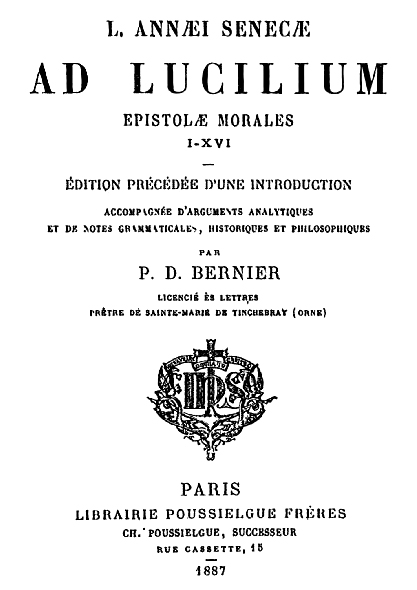
The letters were copied and preserved in medieval manuscript traditions and became central texts for Renaissance humanists and later moralists. They influenced essayists and early modern thinkers who valued practical ethics expressed in accessible prose. The collection is often studied alongside other Stoic works; for a full table and modern editions see a consolidated list of letters. Background on the author can be found via Seneca, and introductions to the underlying school are available at general treatments of Stoic philosophy. For discussions of Seneca's ethical emphasis on virtue, consult resources on virtue.
Why the letters matter
- They present Stoic ethics in an intimate, actionable form, blending theory with advice for daily conduct.
- They have shaped Western moral literature, the essay tradition, and practical philosophy across centuries.
- They serve as a window into Roman intellectual life and the moral struggles of a public figure striving for inner integrity.
Together, the Epistulae morales function as both a handbook for personal improvement and a literary monument to the Stoic conviction that philosophy should be lived. Readers encounter a direct, often urgent tone: philosophy is not mere speculation but a remedy for ordinary human troubles.
Related articles
Author
AlegsaOnline.com Epistulae morales ad Lucilium (Seneca's Moral Letters) Leandro Alegsa
URL: https://en.alegsaonline.com/art/31761