
Epiglottitis
Epiglottitis is inflammation of the epiglottis that can narrow the airway and cause a life-threatening emergency, especially in children but also in adults.
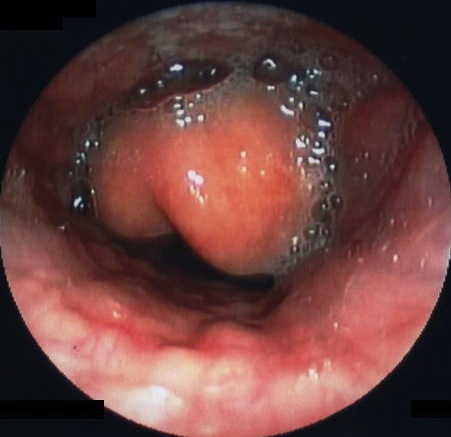
Epiglottitis is inflammation of the epiglottis, the small flap of tissue at the base of the tongue that helps keep food and liquid out of the trachea, or windpipe. Because the epiglottis sits directly above the larynx, swelling can quickly block airflow and become a medical emergency.
The condition was once most strongly associated with infection by Haemophilus influenzae type b (Hib), but vaccination has made that cause far less common in many countries. Epiglottitis can still occur in children and adults from other bacteria, and it may also follow irritation or injury, such as a burn, trauma, or inhaled foreign material. In adults, symptoms may develop more gradually; in children, they can worsen very quickly.
Typical warning signs include a severe sore throat, fever, painful swallowing, drooling, muffled or changed voice, and difficulty breathing. Some people sit leaning forward with the neck extended because that position can make breathing easier. A high-pitched breathing sound, called stridor, may appear when the airway becomes significantly narrowed. Unlike many routine throat infections, epiglottitis is dangerous because the swelling is in a critical part of the airway.
Image gallery
6 Images


Diagnosis and emergency care
Epiglottitis is treated as an urgent airway problem. Health professionals focus first on keeping the person calm and preserving breathing, rather than performing a forceful throat exam. In some cases, the diagnosis is confirmed in a controlled setting with careful visualization of the airway and support from specialists. If the airway is threatened, securing it may take priority over every other step.
Treatment commonly includes oxygen, intravenous antibiotics when infection is suspected, and close observation in a hospital setting, often in an intensive care unit. Corticosteroids are sometimes used, although their role can vary. If the airway is dangerously obstructed, a breathing tube or surgical airway may be needed. Rapid treatment is important because breathing can deteriorate suddenly.
Prevention and distinctions
- Hib vaccination has greatly reduced cases caused by that organism.
- Early recognition matters because symptoms can resemble strep throat, tonsillitis, or croup.
- Epiglottitis is usually more dangerous than ordinary sore throat because swelling can close the airway.
Although epiglottitis is now less common than in the past, it remains a serious diagnosis that requires immediate medical attention. Any person with drooling, trouble breathing, or a rapidly worsening throat illness should be evaluated urgently, especially if they cannot swallow or speak normally.
Related articles
Author
AlegsaOnline.com Epiglottitis Leandro Alegsa
URL: https://en.alegsaonline.com/art/31717