
Erectile dysfunction: causes, diagnosis, and treatment overview
Erectile dysfunction (ED) is the repeated inability to obtain or maintain an erection sufficient for sexual activity. This article explains causes, evaluation, treatment options, and when to seek help.
Erectile dysfunction (ED), sometimes called impotence, is the persistent difficulty in getting or keeping an erection firm enough for sexual activity. It involves the penis and reproductive function: the organ itself is called the penis. Problems typically appear during sexual intercourse but can also affect confidence, relationships and overall wellbeing.
Image gallery
5 Images



Causes and risk factors
ED has many possible causes. Common categories include vascular (impaired blood flow), neurological (nerve damage), hormonal (low testosterone), medication side effects, chronic illness (diabetes, kidney disease), psychological factors (stress, anxiety, depression) and lifestyle contributors (smoking, excessive alcohol, obesity). Less common or debated contributors sometimes mentioned are so-called "death-grip syndrome" from altered stimulation habits and genital atrophy after injury or disuse; these are described cautiously in literature as potential influences rather than primary diagnoses.
Age increases the likelihood of ED, but it is not an inevitable part of aging. Cardiovascular disease and ED often coexist because they share vascular risk factors; therefore new-onset ED can be an early sign warranting medical assessment.
Diagnosis
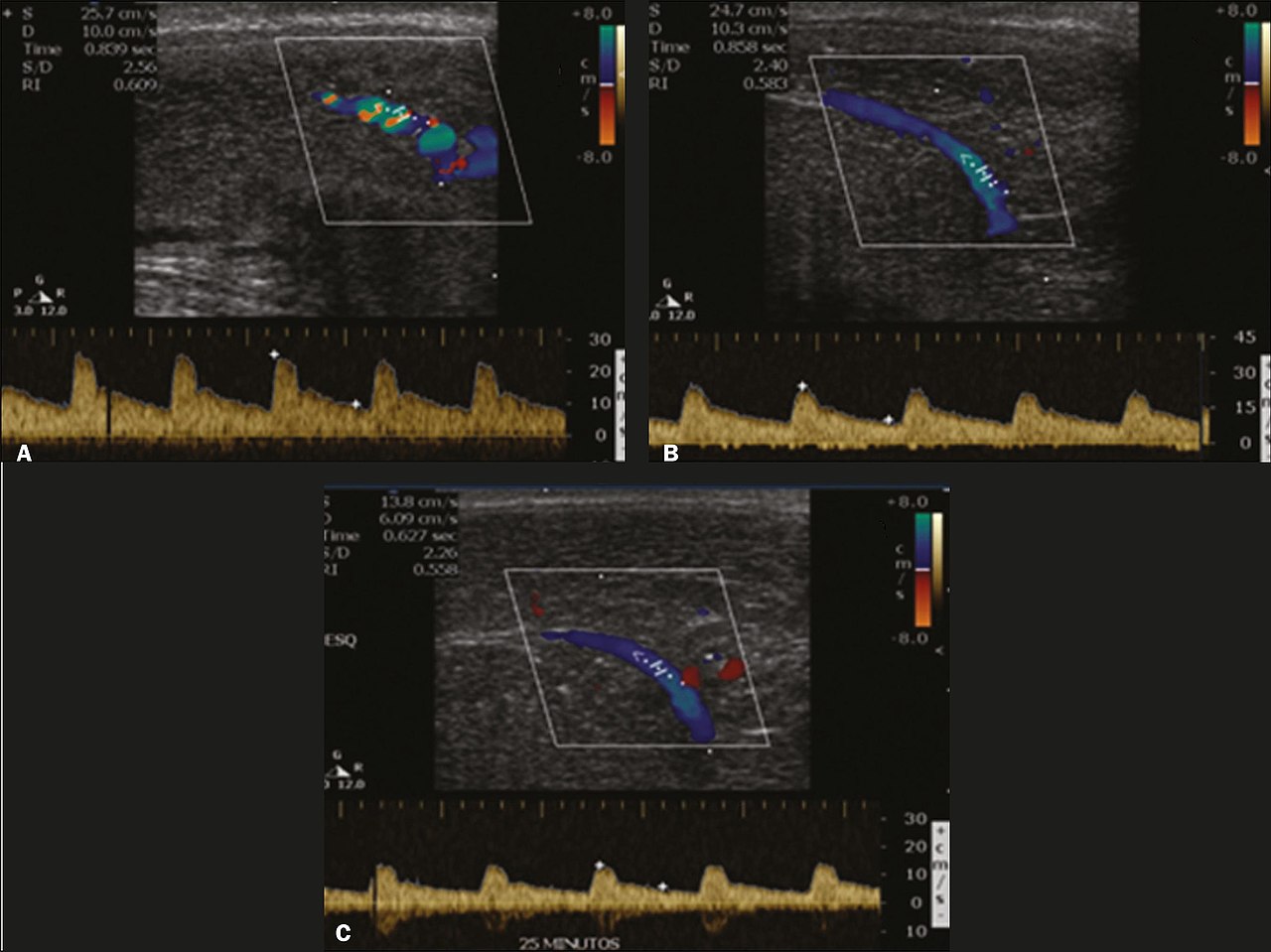
Evaluation begins with a medical and sexual history and physical examination. Clinicians may order blood tests (glucose, lipids, hormones) and, when indicated, vascular or neurological studies. Assessment also considers mental health and medication review to identify reversible causes.
Treatment and management
- Lifestyle measures: weight loss, exercise, smoking cessation, and reducing alcohol.
- Oral medications that enhance blood flow (phosphodiesterase type 5 inhibitors) are first-line for many men.
- Local treatments: vacuum erection devices, intracavernosal injections, or topical agents.
- Surgical options: penile implants or vascular surgery in selected cases.
- Psychological therapies: counseling or sex therapy for performance anxiety or relationship issues.
Prognosis varies with cause and overall health. Many men improve with appropriate treatment and lifestyle change. Because ED can signal other health problems, timely evaluation by a healthcare professional is advised when difficulties persist.
Related articles
Author
AlegsaOnline.com Erectile dysfunction: causes, diagnosis, and treatment overview Leandro Alegsa
URL: https://en.alegsaonline.com/art/31859