
Escitalopram (Lexapro, Cipralex): overview, uses, and precautions
Escitalopram is an SSRI antidepressant used for depression, anxiety disorders and OCD. This article explains how it works, common effects, typical uses, safety concerns and distinctions from related drugs.
Escitalopram is a prescription antidepressant and widely used medication in the class of selective serotonin reuptake inhibitors (SSRIs). It is the S‑enantiomer of the older drug citalopram and is sold under brand names such as Lexapro and Cipralex. Clinicians prescribe it to help relieve symptoms of low mood, excessive anxiety and certain compulsive behaviours.
Image gallery
3 Images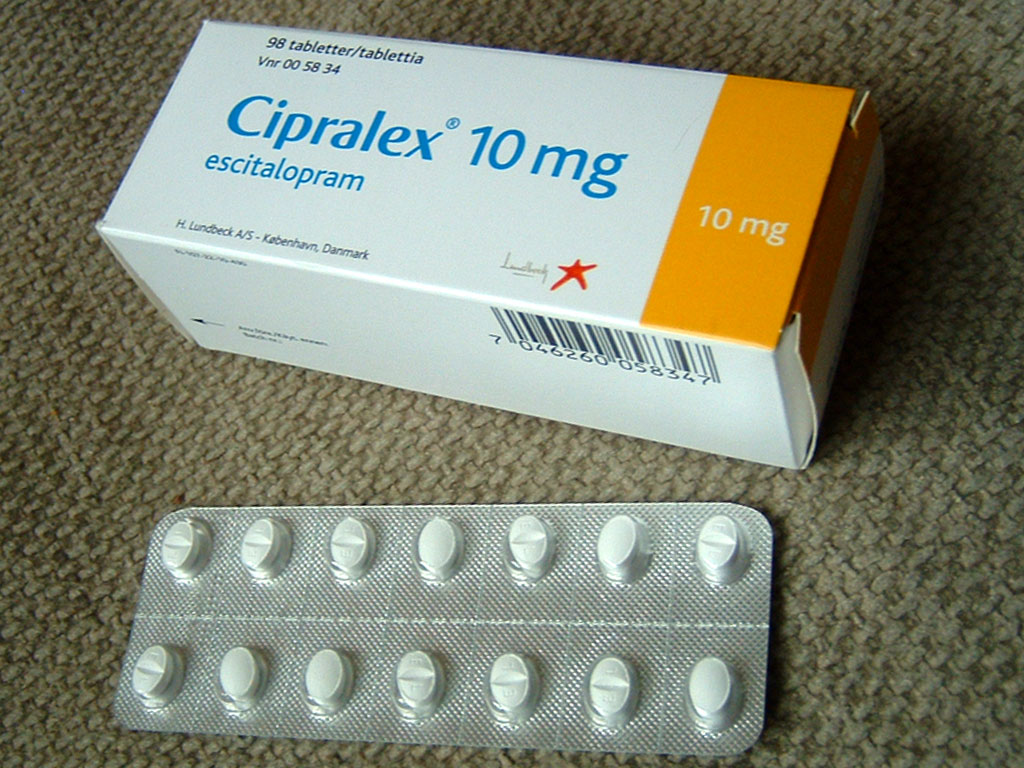


Mechanism and characteristics
Escitalopram acts primarily by increasing serotonin availability in the brain, which can improve mood and reduce anxiety over weeks of treatment. It is valued for its high selectivity for the serotonin transporter, which can translate into a predictable therapeutic profile. It is available in tablet and liquid forms and is usually started at a low dose that may be adjusted according to response and tolerability.
- Pharmacology: selective inhibition of serotonin reuptake.
- Formulations: oral tablets and oral solution.
- Relation to other drugs: the active S‑isomer of citalopram.
Uses and clinical effectiveness
Escitalopram is approved or commonly used for several psychiatric conditions. Response varies between individuals, and benefit often becomes evident after several weeks.
- Major depressive disorder — reduces core symptoms of depression for many patients.
- Obsessive‑compulsive disorder — can decrease intrusive thoughts and repetitive behaviours.
- Social anxiety disorder — helps reduce social fear and avoidance.
- Other anxiety disorders and related mental illnesses — prescribed when appropriate by a clinician.
Side effects, interactions and precautions
Common side effects include gastrointestinal upset (nausea), sleep changes, dry mouth, sweating, and sexual dysfunction. Some people experience drowsiness or agitation. Abrupt discontinuation can produce withdrawal-like symptoms. Combining escitalopram with other serotonergic drugs or monoamine oxidase inhibitors can increase the risk of serotonin syndrome, a potentially serious condition. As with other antidepressants, there is a caution about increased suicidal thoughts in some younger people; treatment should be closely monitored.
Because individual circumstances differ, prescribers consider medical history, other medications, pregnancy or breastfeeding status, and potential interactions when choosing or adjusting treatment. Patients should not stop the medicine suddenly without medical advice.
In summary, escitalopram is a commonly used SSRI with established roles in treating depression and several anxiety disorders. It is generally well tolerated but requires monitoring for side effects, interactions and response. Decisions about starting, changing or stopping treatment are best made in partnership with a healthcare professional.
Related articles
Author
AlegsaOnline.com Escitalopram (Lexapro, Cipralex): overview, uses, and precautions Leandro Alegsa
URL: https://en.alegsaonline.com/art/32140
Sources
- washingtonpost.com : Lexapro article
- frx.com : Lexapro prescribing information