
Epididymitis: causes, symptoms, diagnosis and treatment
Epididymitis is inflammation of the epididymis, usually from bacterial infection but sometimes from viral illness or trauma; it causes scrotal pain and swelling and is treated according to cause.
Overview
Epididymitis is inflammation of the epididymis, the tightly coiled duct located along the back of the testicle that stores and transports sperm. The condition may be acute or chronic and ranges from mild discomfort to severe, progressive scrotal pain. It is distinct from testicular torsion, a surgical emergency, and from orchitis, which primarily affects the testicle itself.
Image gallery
5 Images


Causes and risk factors
The most common cause is microbial infection, but mechanical injury or noninfectious inflammation can also produce epididymal pain. Typical sources include urinary tract pathogens and sexually transmitted organisms in sexually active men. Viral illnesses or trauma can be contributing factors.
- Bacterial infection — common pathogens vary by age and sexual activity.
- Viral infection — less common but can occur with systemic viral disease.
- Injury — blunt trauma or straining can inflame the epididymis.
- Other factors — intermittent reflux of urine, urinary catheterization, or immune-mediated inflammation.
Symptoms and diagnosis
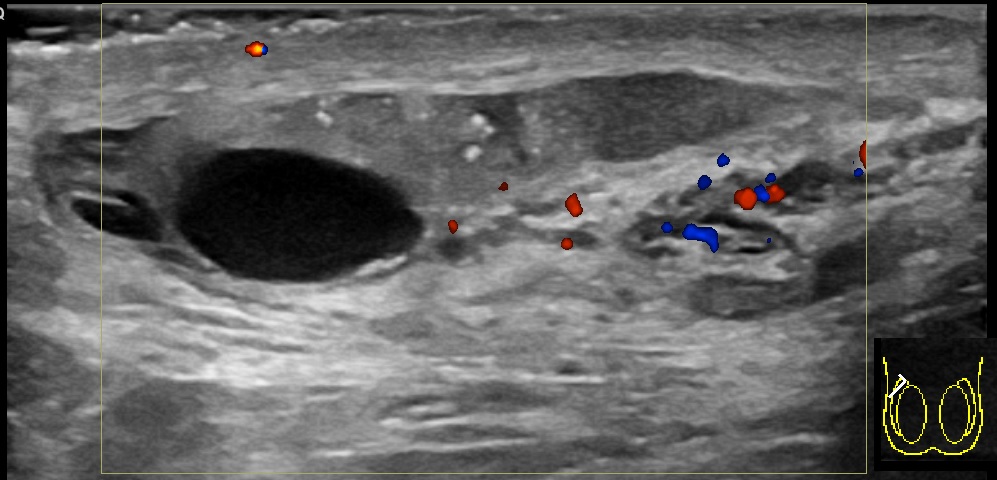
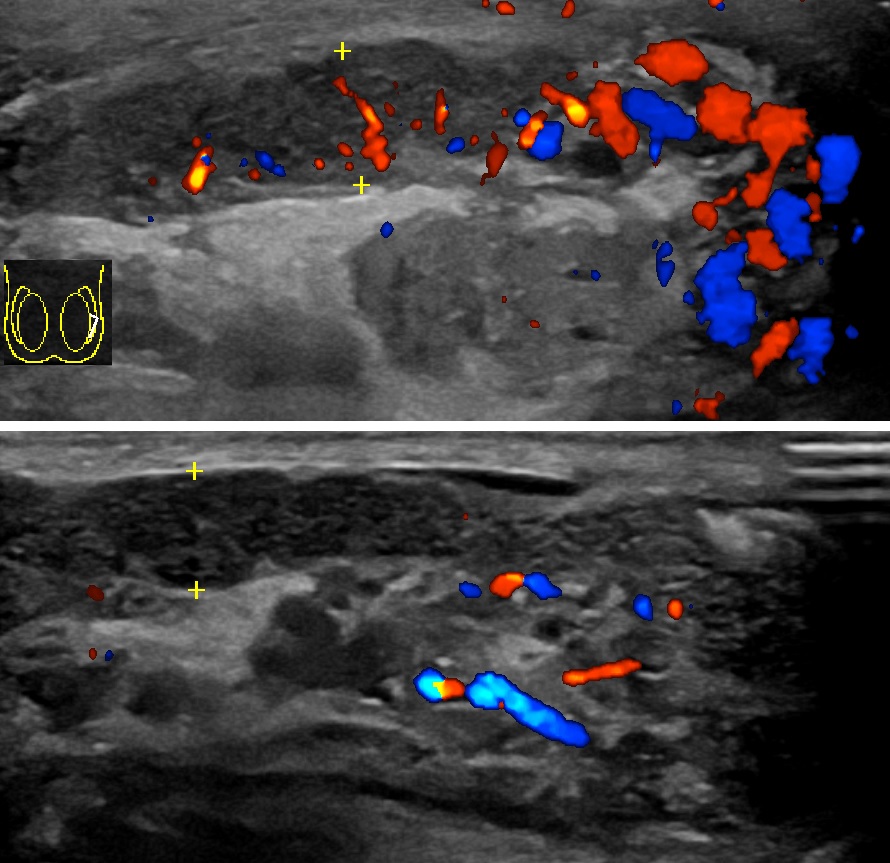
Typical symptoms are unilateral scrotal pain and swelling, tenderness along the epididymis, possible fever, and sometimes urinary symptoms (dysuria, frequency) or urethral discharge. A focused examination differentiates epididymitis from torsion. Clinicians use urine testing, microscopy and nucleic acid amplification tests for sexually transmitted infections, and scrotal ultrasonography when the diagnosis is unclear.
Common diagnostic steps include laboratory and imaging tests and clinical history; awareness of the local epidemiology of pathogens helps guide testing and treatment choices.
Treatment, prevention and prognosis
Treatment is directed at the underlying cause. When a bacterial agent is suspected, appropriate antibiotics are prescribed, often combined with analgesics, scrotal elevation, and rest. Acute cases usually respond in days to weeks; chronic epididymitis may require extended therapy or specialist review. Complications are uncommon but can include abscess formation or persistent pain.
Prevention emphasizes treating urinary infections promptly, using barrier protection to reduce sexually transmitted causes, and avoiding activities that risk groin trauma. Understanding the epididymal anatomy and early recognition of symptoms are important for timely care.
Notable distinctions
Epididymitis should be distinguished from related conditions: testicular torsion (sudden vascular compromise requiring immediate surgery) and orchitis (inflammation of the testicle). Where available, local clinical guidelines and specialist consultation are valuable, especially for recurrent or atypical cases. For further clinical resources see epididymal references and public health guidance on managing infectious causes.
Viral and bacterial causes, traumatic triggers, and appropriate diagnostic work-up are the primary considerations when approaching a person with suspected epididymitis. For patient-oriented information and prevention tips consult reliable health resources or a medical professional.
Related articles
Author
AlegsaOnline.com Epididymitis: causes, symptoms, diagnosis and treatment Leandro Alegsa
URL: https://en.alegsaonline.com/art/31712