
Epididymis: structure, function and clinical significance
The epididymis is a coiled duct along the posterior testis where sperm mature, are stored and transported. This article covers anatomy, development, function and common clinical issues.
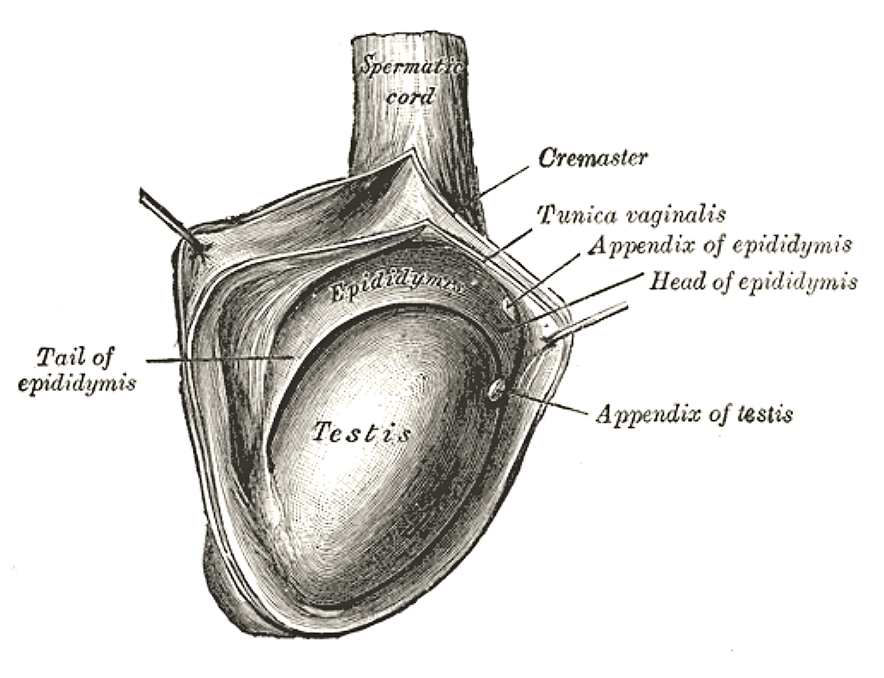
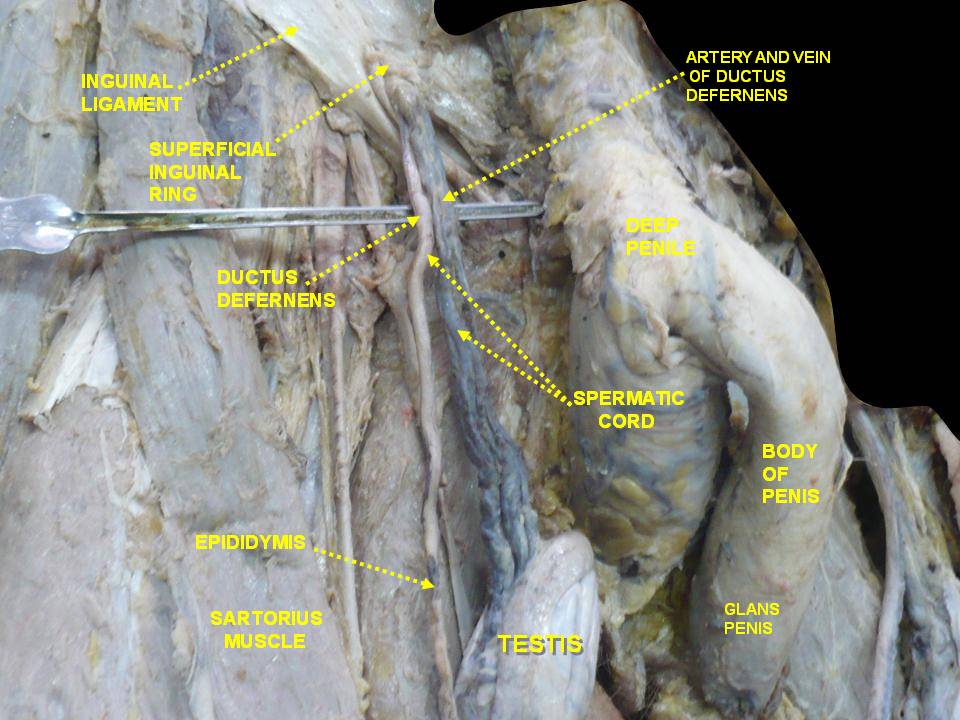
The epididymis is a long, tightly coiled duct that lies along the back of each testis and is an integral part of the reproductive system. It is specific to the male reproductive tract and connects the testis with the ductus (vas) deferens via efferent ductules. The structure is more than a simple tube; its folded architecture provides a large surface area for interaction between developing sperm and the surrounding epithelium. The paired organs sit adjacent to the testicles and are essential for post-testicular sperm maturation.
Image gallery
7 Images



Anatomy and microscopic features
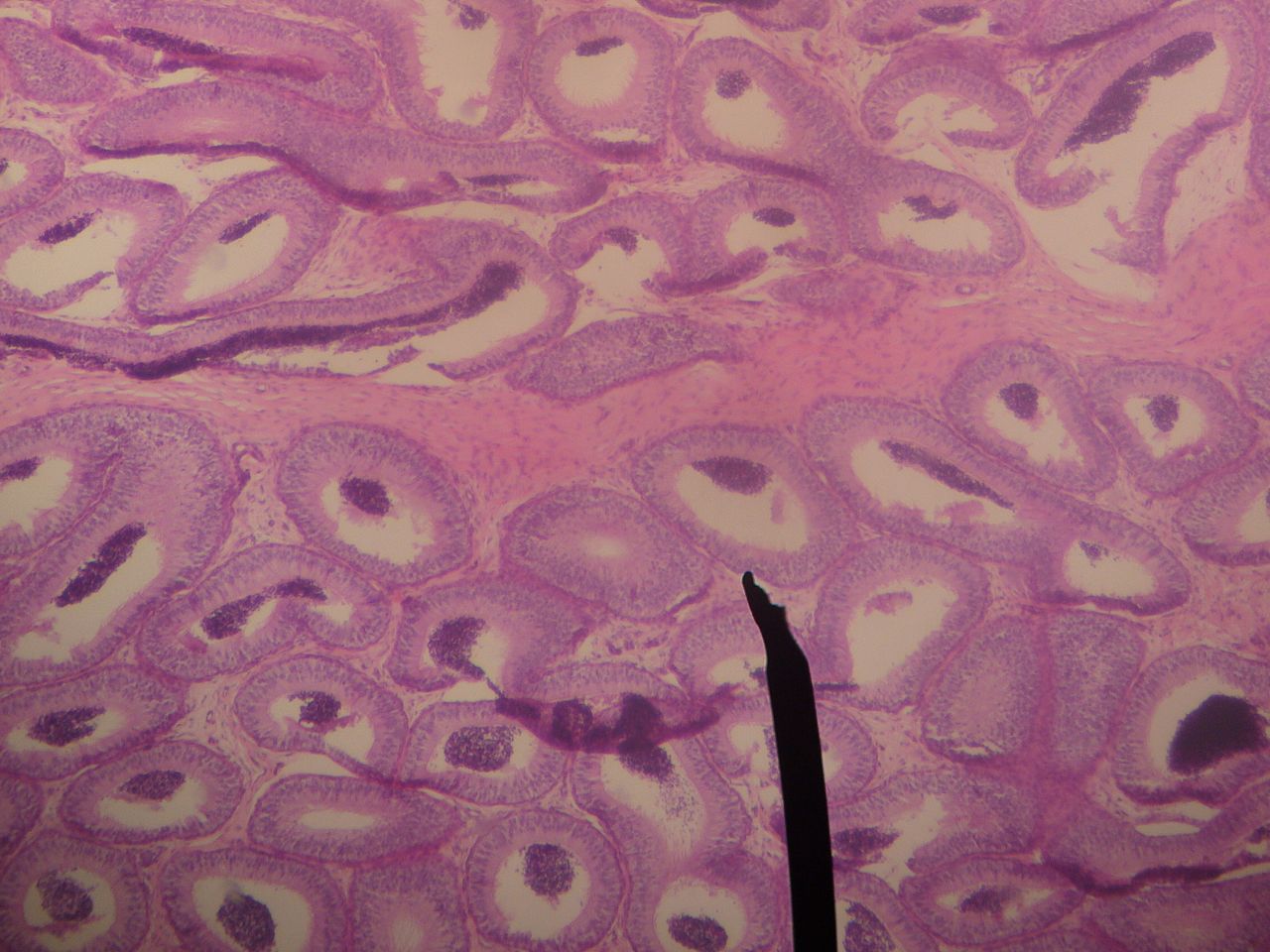
Grossly the epididymis is divided into three regions: the head (caput), body (corpus) and tail (cauda). The head receives sperm from the rete testis through several efferent ductules; the tail narrows to become the vas deferens. If uncoiled, the duct can measure several meters in length (commonly cited as around six metres), though actual length and coiling vary by species and individual. Histologically its lining is a pseudostratified epithelium with prominent stereocilia—long, immotile microvilli—adapted for absorption and secretion.
Functions
The epididymis performs multiple essential roles in male fertility:
- Sperm maturation: sperm acquire motility and fertilizing capacity while transiting the epididymis over days to weeks.
- Transport: peristaltic contractions move sperm from the testis toward the vas deferens.
- Storage: the cauda serves as a reservoir of mature sperm prior to ejaculation.
- Fluid modification: epithelial cells absorb testicular fluid, concentrate sperm and secrete proteins and ions that create a supportive microenvironment.
The organ also participates in phagocytosis of defective germ cells and in creating immune tolerance to sperm antigens.
Embryologically the epididymis develops from the mesonephric (Wolffian) duct under hormonal influence during fetal life. Clinically it is subject to inflammation (epididymitis), obstruction, cyst formation and trauma. Procedures such as vasectomy involve surgical division of the vas deferens distal to the epididymis; complications may include pain or sperm granuloma formed when sperm leak from the cut duct.
Notable distinctions: the epididymis should not be confused with the scrotal supporting tissues that hold the testis in place. Its primary role is post-testicular maturation and handling of sperm rather than mechanical support. For further clinical and anatomical detail, see specialist texts or trusted medical resources (reproductive overview, male anatomy, ductal system, testicular relations).
Questions and answers
Q: What is the epididymis?
A: The epididymis is a part of the male reproductive system.
Q: What is the function of the epididymis?
A: The epididymis holds the testicles in place.
Q: Where is the epididymis located in the male body?
A: The epididymis is located at the back of each testicle.
Q: What is the structure of the epididymis?
A: The epididymis is a tube-like structure.
Q: What is the length of the epididymis?
A: The epididymis stretches from the back of each testicle to the van deferens.
Q: How is the epididymis important for male fertility?
A: The epididymis plays a crucial role in the maturation and transportation of sperm.
Q: Is the epididymis found in the female reproductive system?
A: No, the epididymis is only found in the male reproductive system.
Related articles
Author
AlegsaOnline.com Epididymis: structure, function and clinical significance Leandro Alegsa
URL: https://en.alegsaonline.com/art/31711
Sources
- doi.org : 10.1046/j.1365-2605.1999.00151.x
- pubmed.ncbi.nlm.nih.gov : 10194636
- ingentaconnect.com : abstract