
Epicurus: Greek philosopher and founder of Epicureanism
Epicurus (341–270 BC) was an ancient Greek philosopher who founded Epicureanism, taught simple pleasures, friendship, atomism-based physics, and argued that death and divine punishment need not be feared.
Overview
Epicurus (born on the island of Samos in 341 BC, died in Athens in 270 BC) was an influential ancient Greek philosopher and the originator of a distinctive school of thought often called Epicureanism. He established a community known as the Garden, where he taught ethics, natural philosophy, and ways to secure tranquility of mind. Although many of his writings are lost, his teachings survive through later authors and summaries.
Image gallery
10 Images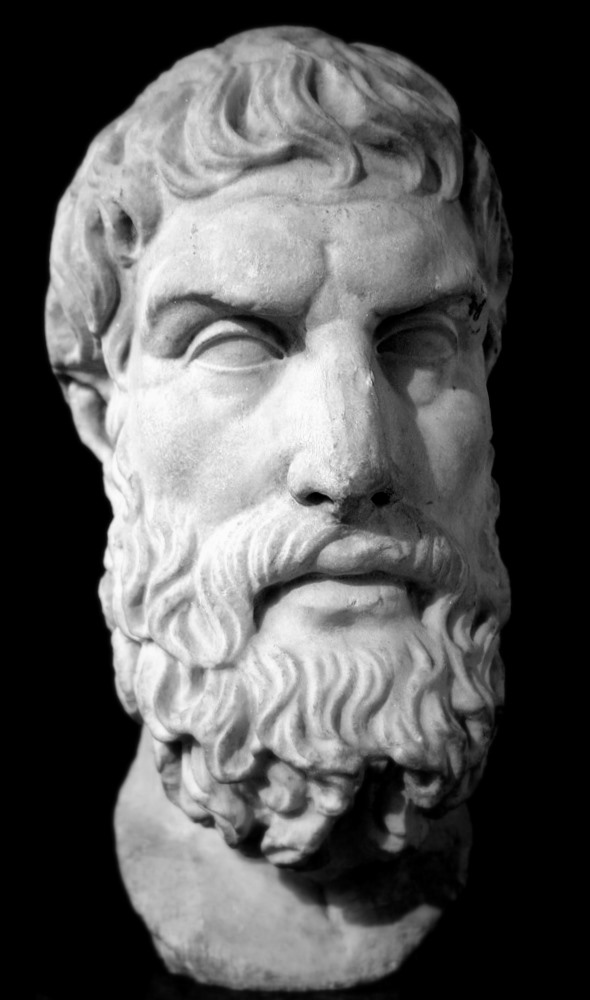



Core teachings
Epicurus emphasized the pursuit of happiness understood as the absence of physical pain (aponia) and mental disturbance (ataraxia). His practical program for living sought to reduce unnecessary desires and cultivate modest, sustainable pleasures. Key points include:
- Pleasure as the highest good, but defined primarily as freedom from pain rather than indulgence.
- Prudence and simple habits as the means to long-term well-being.
- Value of friendship and community as essential goods for a serene life.
Physics and knowledge
Epicurus adopted and adapted atomist ideas from earlier thinkers such as Democritus, teaching that the world consists of atoms moving in void. He used this naturalistic account to challenge superstition and the fear of gods. In his epistemology he argued that sense perception is the basis of knowledge and that reliable beliefs arise from careful interpretation of impressions and reasoning about them.
Ethics and everyday practice
Ethically, Epicurus counseled avoidance of pain, intelligent selection of desires, and cultivation of inner tranquillity. His prescriptions often appear austere: prefer simple foods, limit possessions, and rely on friendships. Contrary to caricatures of hedonism, Epicurean ethics is deliberate and measured, emphasizing long-term equilibrium over momentary excess.
History, influence, and legacy
Epicurus founded a lasting school in Athens whose members included women and freedmen, an uncommon inclusiveness for ancient philosophical communities. His doctrines spread through the Hellenistic world and later influenced Roman thinkers; Lucretius’ poem De Rerum Natura preserved much of the philosophical spirit. In modern times, Epicurean ideas contributed to secular and humanist currents by arguing that death is nothing to us and that fear of divine retribution is unfounded.
Notable distinctions and facts
- Epicurus rejected the view that death should be feared: when we exist, death is not present; when death is present, we do not exist.
- He taught that gods, if they exist, are indifferent to human affairs and not a cause for fear.
- Despite popular misuse of the term "epicurean" to mean gourmet indulgence, his philosophy prized simplicity and moderation.
For basic biographical notes see sources linked to his birthplace and school: Samos, Athens, and information about him as a philosopher and founder of Epicureanism.
Related articles
Author
AlegsaOnline.com Epicurus: Greek philosopher and founder of Epicureanism Leandro Alegsa
URL: https://en.alegsaonline.com/art/118584