
Insectivore: organisms that feed primarily on insects
An insectivore is an animal or plant that eats mainly insects. This article explains definitions, adaptations, examples across taxa, ecological roles, and the historical taxonomy of insect‑eating species.
Overview
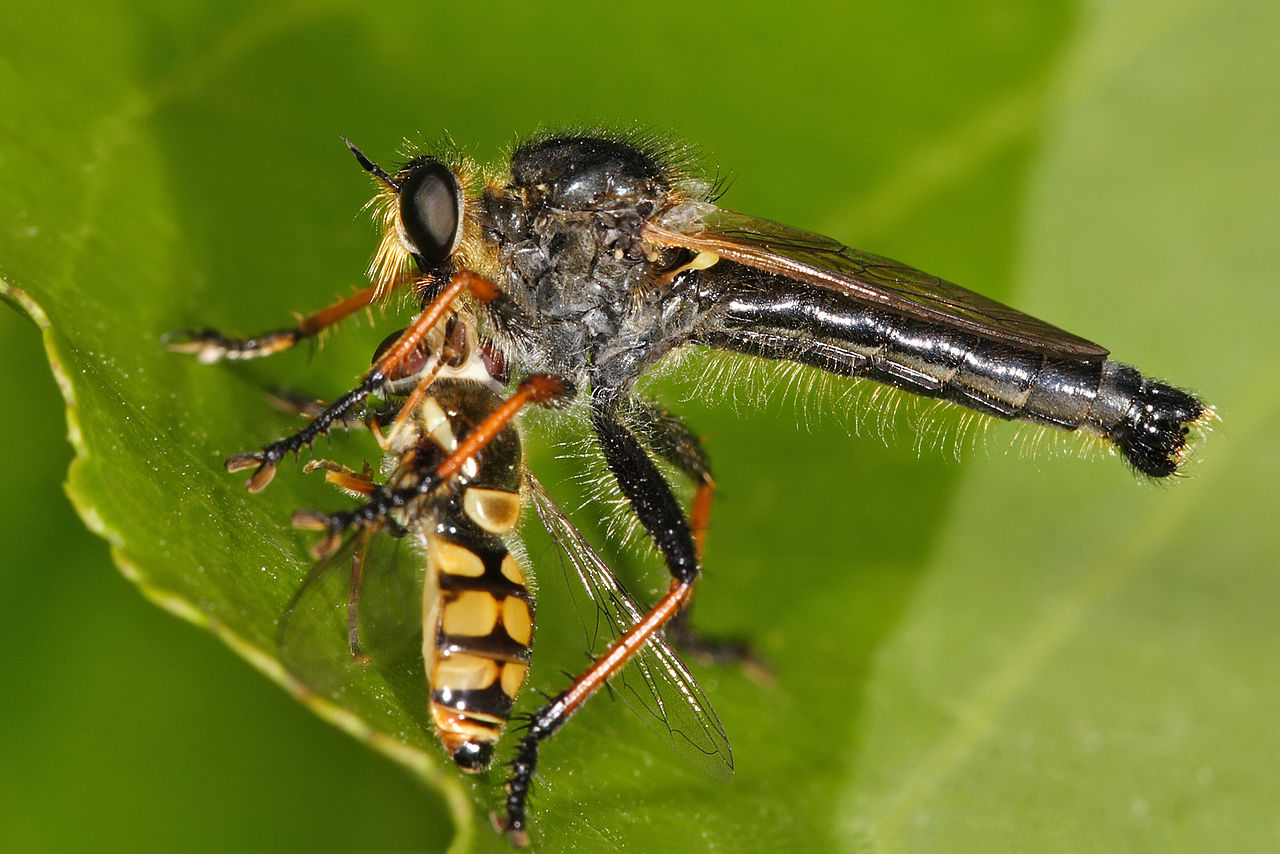
An insectivore is an organism that obtains most of its diet from insects. The term can apply to both an animal and certain insect-eating plants; the emphasis is on diet rather than on strict classification. In many contexts the phrase is used loosely to mean an animal that uses insects as a major food source. Insectivory appears in many branches of the tree of life, from mammals and birds to amphibians, fish, invertebrates and a few carnivorous plants.
Image gallery
6 Images

Adaptations and feeding strategies
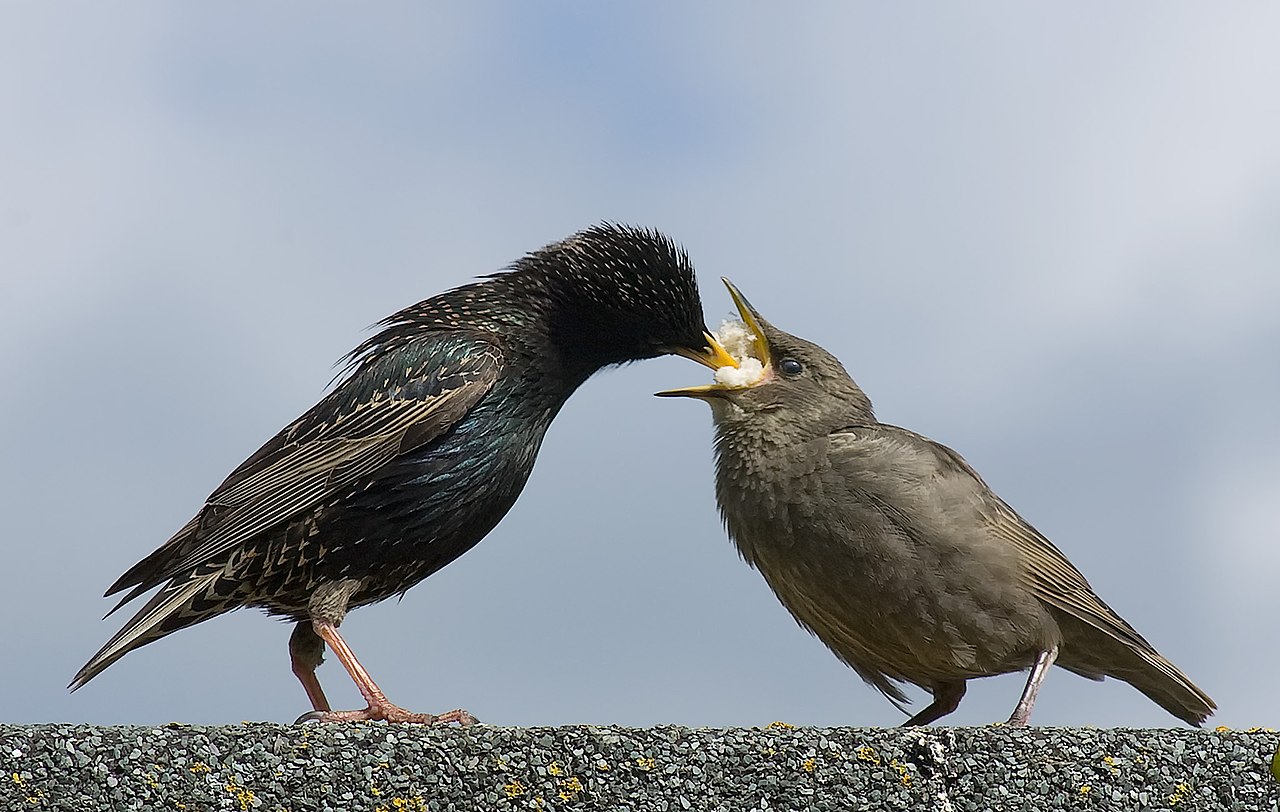
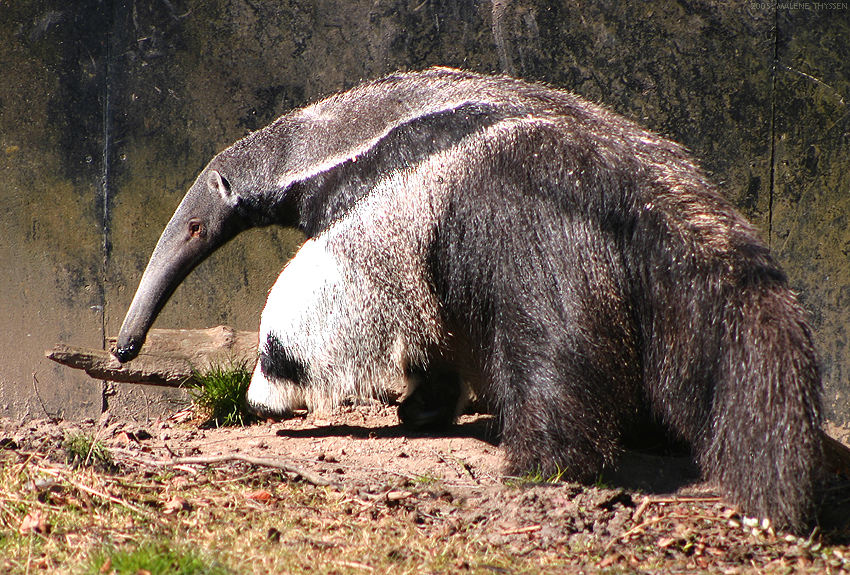
Because insects are generally small and mobile, insectivores show a wide range of specializations that make capturing many prey items efficient. These include elongated snouts and sticky tongues (seen in anteaters and some frogs), rapid aerial pursuit (swallows and nightjars), sharp probing bills for extracting larvae from wood, and echolocation in insectivorous bats. Some mammals like the giant anteater use long tongues to harvest large numbers of ants and termites. Spiders and predatory insects rely on ambush, webs or camouflage to catch insects rather than processing many small items at once.
Range of insectivores
Insectivory can be obligate (most of the diet) or facultative (part of a broader diet). Examples include:
- Many small mammals: shrews, hedgehogs and some bats.
- Birds: swifts, swallows, warblers and woodpeckers that probe for larvae.
- Amphibians and reptiles: most frogs and many lizards.
- Invertebrates: mantises, many spiders and predatory beetles.
- Carnivorous plants: the Venus flytrap, pitcher plants and sundews use traps or sticky surfaces to capture insects.
Some omnivores also eat insects opportunistically—humans practice entomophagy in many cultures, and species like bears will consume insects when available.
Ecological role and importance
Insectivores play key roles in food webs and in controlling insect populations, often reducing pest species in agriculture and forests. They contribute to nutrient cycling by moving biomass from invertebrate communities into larger predators. Conservation concerns include pesticide exposure, habitat loss and declines in insect prey, which can cascade to affect insectivorous species.
Taxonomy and notable facts
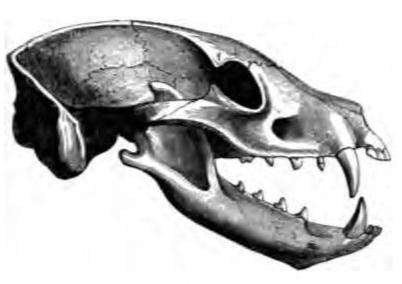
The label "insectivore" describes a feeding habit rather than a monophyletic group. Historically, a mammal order called Insectivora was used, but modern classifications split that group; many former members are now placed in the order Eulipotyphla or other lineages. Recognizing insectivory across diverse taxa helps clarify ecological function and evolutionary convergence in feeding adaptations.
Questions and answers
Q: What is an insectivore?
A: An insectivore is an animal or insect that eats mostly insects for food.
Q: What is an Anteater?
A: An Anteater is an animal that eats ants.
Q: Do insectivorous plants eat insects?
A: Yes, insectivorous plants also eat insects. The Venus fly-trap is one of them.
Q: Is it easy for animals to eat insects for food?
A: To eat insects for food is not very easy because insects are small. Large insect-eating animals must eat many of them.
Q: How many ants do anteaters eat every day?
A: Anteaters eat hundreds of ants every day.
Q: Which other animals besides insectivores eat insects for food?
A: Some omnivores like humans and bears also eat insects for food.
Q: Was there once a taxonomic group of mammals called Insectivora? What are they called now?
A: Yes, there was once a taxonomic group of mammals called Insectivora. Most of its animals are now called Eulipotyphla.
Related articles
Author
AlegsaOnline.com Insectivore: organisms that feed primarily on insects Leandro Alegsa
URL: https://en.alegsaonline.com/art/47438