
Dissolution of the Monasteries (1536–1540)
The suppression and takeover of English monastic houses under King Henry VIII (1536–1540), its causes, methods, consequences and lasting cultural and social effects during the English Reformation.
Overview
The Dissolution of the Monasteries was a systematic process carried out in England and Wales between 1536 and 1540, in which the religious houses of the Roman Catholic Church were closed and their lands, revenues and goods seized by the crown. It followed King Henry VIII breaking with Rome and Parliament’s legislation that made him head of the national church. The move formed part of wider changes associated with the Protestant Reformation and the creation of the Church of England, within the wider tradition of Christianity.
Image gallery
10 Images



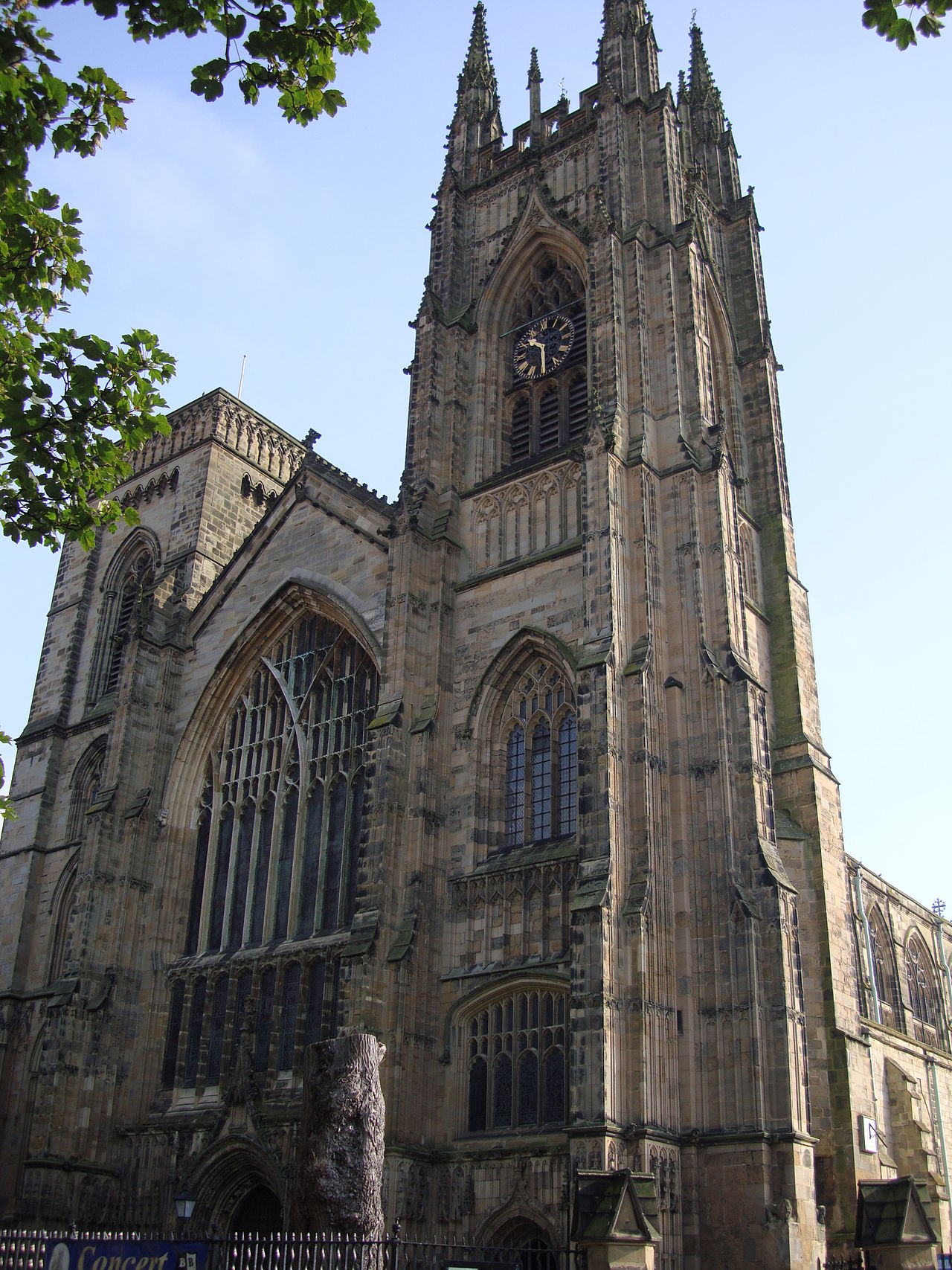


How it was carried out
The policy combined legal acts, royal inquiries and the work of commissioners. A fiscal survey and visitation examined monastic wealth and conduct; smaller houses were targeted first in 1536 under an initial act, and larger abbeys followed in subsequent years. Suppressed houses were surrendered to the crown; inventories were taken, movable goods sold or redistributed, and buildings either demolished, adapted or leased and sold to lay buyers.
Key stages and methods
- Investigation and valuation of monastic assets.
- Legislation enabling suppression and crown takeover.
- Commissioners enforcing closures and overseeing disposition.
- Sale or grant of former monastic lands to nobles and merchants.
Consequences and significance
The Dissolution had immediate economic and social effects: enormous tracts of land passed from church control into private hands, helping to create a broader class of landed gentry and altering local power structures. Monasteries had provided charity, education, hospitality and medical care; their closure disrupted these services. Many monastic libraries and works of art were lost or dispersed, while some buildings became parish churches, country houses or ruins that remain part of the landscape.
Historical context and legacy
Although driven by royal policy and financial motives as well as religious reform, the Dissolution provoked resistance, most notably the northern Pilgrimage of Grace in 1536. Over the longer term it reshaped the English countryside, intensified the crown’s fiscal resources, and marked a decisive break with medieval monasticism. Centuries later, some monastic life was re-established in Britain, but the institutional map and material legacy left by the 1536–1540 suppressions remain a central chapter in English religious and social history.
Notable examples and later attention
Many famous houses were affected; some surviving sites are preserved as historic monuments while others survive only as ruins. The Dissolution continues to attract scholarly study and public interest for its complex motives and enduring cultural impact.
Related articles
Author
AlegsaOnline.com Dissolution of the Monasteries (1536–1540) Leandro Alegsa
URL: https://en.alegsaonline.com/art/27731