
Archbishop of Canterbury
Senior bishop and principal leader of the Church of England and figurehead of the worldwide Anglican Communion; historic seat at Canterbury with ceremonial, pastoral and administrative duties.
Overview
The Archbishop of Canterbury is the senior bishop and principal leader of the Church of England and is widely recognised as a principal figure within the global Anglican Communion. The office combines pastoral responsibility for the Diocese and Province of Canterbury with symbolic leadership across Anglican churches worldwide. The archbishop's seat is traditionally associated with the city of Canterbury in England, while the office-holder also maintains official residence and administrative offices in London. The role blends spiritual duties, church governance, ecumenical engagement and public ceremonial functions.
Image gallery
3 Images

Historical origins and development
The archiepiscopal office traces its foundation to the mission of Saint Augustine, sent to the English kingdoms in 597 by the Pope to bring the Anglo-Saxons into Christianity. Augustine became the first bishop in the area ruled by King Æthelberht of Kent and his successors established Canterbury as a principal ecclesiastical centre. Over centuries the archbishop's authority evolved: medieval archbishops were leading figures in both church and state. The English Reformation in the 16th century transferred ultimate jurisdiction in England from Rome to the new national church, and the archbishop continued as head within that reconfigured structure.
Appointment and internal governance
Today the appointment process is a cooperation of church and state consistent with the Church of England's established status. The archbishop is formally nominated to the sovereign—the English monarch—on the advice of a church-appointed commission and civil government ministers. Senior clergy and other advisers, including senior bishops, participate in recommendations and consultations. The chosen archbishop serves as diocesan bishop for the Diocese of Canterbury and as metropolitan of the Province of Canterbury, overseeing dioceses in the south and midlands of England.
Roles, responsibilities and public functions
The office combines a range of duties. As a diocesan bishop the archbishop presides at confirmations, ordinations and pastoral visitations. As metropolitan and primate, the archbishop convenes provincial synods and often mediates disputes or represents the province in international Anglican bodies. The archbishop plays visible national and civic roles: presiding at coronations, representing the church at state occasions, and sitting among the Lords Spiritual in the legislature. Practical responsibilities include appointments, pastoral support for bishops, and engagement in ecumenical and interfaith dialogue.
Residence, provincial scope and notable connections
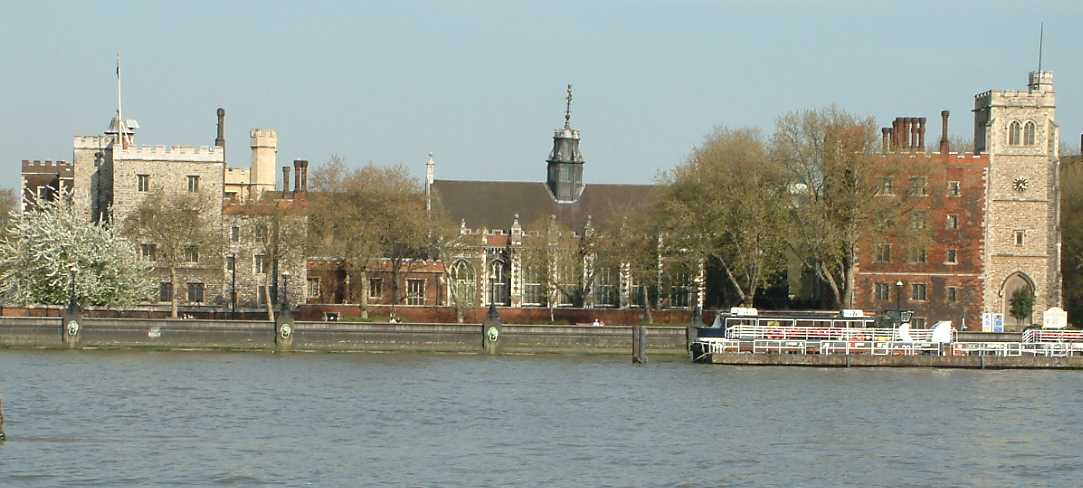
Although Canterbury Cathedral remains the symbolic seat, the archbishop's principal London residence is Lambeth Palace, which functions as a centre for administration and hospitality. The Province of Canterbury historically included dioceses across southern and central England and formerly encompassed the Welsh dioceses until the establishment of the autonomous Church in Wales in 1920. In the north of England a separate metropolis is centred at York, and distinct dioceses such as that of Sodor and Man fall under other arrangements. The archbishop's local diocese includes eastern Kent and small adjacent areas; support is provided by suffragan and assistant bishops.
Notable facts and recent holders
Archbishops of Canterbury have frequently combined ecclesiastical leadership with national influence. They have acted as chief pastors, ecumenical representatives and public moral voices. The office predates many modern national institutions and has adapted through political and theological change. Recent archbishops have engaged actively in international peacebuilding, theological education and social issues. The current incumbent, Justin Welby, formerly the Bishop of Durham, was enthroned in 2013 and continues the long line of successors whose duties connect local parish life with global Anglican identity.
Functions in practice
Key functions can be summarised as:
- Spiritual leadership of the Diocese and Province of Canterbury and a pastoral role toward other Anglican churches.
- Participation in national ceremonies and services, notably presiding at the crowning of new monarchs and other state rites.
- Administrative oversight, including chairing synods, recommending episcopal appointments and guiding doctrinal or disciplinary matters.
- Representation in ecumenical and interfaith relations and international Anglican institutions.
For readers seeking more detailed institutional or historical information, primary sources and reference works on the Church of England, the Anglican Communion, and British ecclesiastical history provide fuller treatments and documentary records.
Further reading and institutional links: Church of England, Anglican Communion, England, Canterbury, Monarchic role, Senior bishops, Kent, Papal mission, Christianity in Britain, Justin Welby, Sodor and Man, Bishop of Durham.
Questions and answers
Q: Who is the current Archbishop of Canterbury?
A: The current Archbishop of Canterbury is Justin Welby, who has been in office since 2013.
Q: What year was the office of Archbishop of Canterbury founded?
A: The office of Archbishop of Canterbury was founded in 597.
Q: How did Saint Augustine come to England?
A: Saint Augustine came to England in 597 at the request of the Pope, with the mission to convince local people to become Christians.
Q: When did the Church of England break away from Roman Catholicism?
A: The Church of England broke away from Roman Catholicism in the early 16th century.
Q: What does the archbishop oversee?
A: The archbishop oversees all Church of England dioceses in southern and midland England, as well as Diocese of York and other northern dioceses (including Sodor and Man).
Q: Where is Lambeth Palace located?
A: Lambeth Palace is located in south London.
Related articles
Author
AlegsaOnline.com Archbishop of Canterbury Leandro Alegsa
URL: https://en.alegsaonline.com/art/5288
Sources
- archbishopofcanterbury.org : Archbishop of Canterbury
- archbishopofcanterbury.org : Announcement of the 105th archbishop of Canterbury