
English Electric Lightning — British Cold War interceptor
A compact overview of the English Electric Lightning: its design, operational role with the RAF and exports, technical characteristics, history and legacy as a high‑performance British interceptor.
The English Electric Lightning was a British high‑performance fighter jet developed in the 1950s to meet the interceptor needs of the United Kingdom. Designed and built by English Electric (later incorporated into British aerospace groups), it became the Royal Air Force's quick‑reaction climb specialist during the Cold War, and was later exported to several air forces, notably those of Kuwait and Saudi Arabia.
Image gallery
10 Images

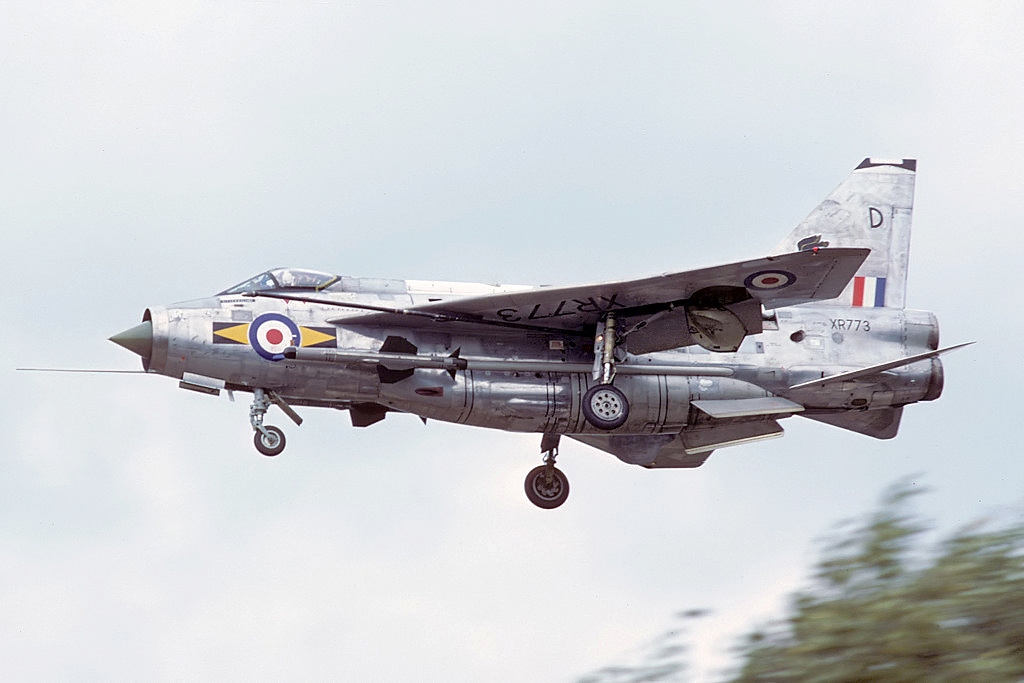


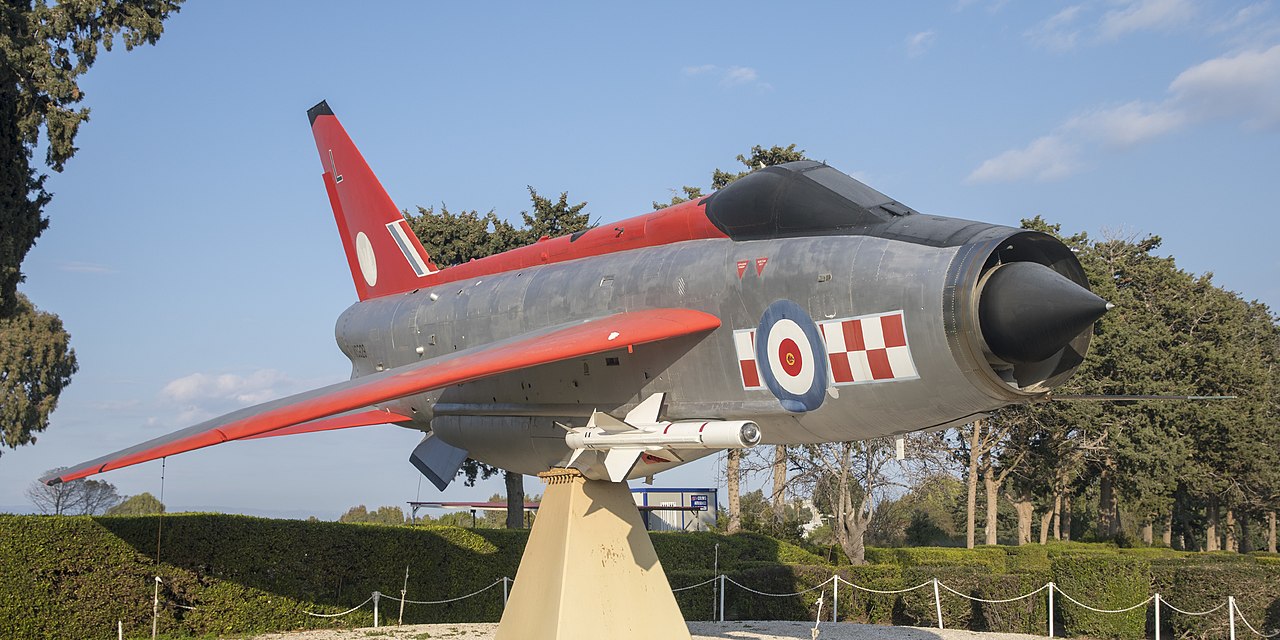


Design and defining features
The Lightning is most recognizable for its compact fuselage and distinctive powerplant arrangement: a twin‑turbojet installation in vertically stacked nacelles. This layout produced exceptional climb rates and acceleration for its era, helping the type intercept high‑altitude targets quickly. The airframe combined a relatively small wing with a slim fuselage and concentrated fuel within the centre section, which contributed to limited range but excellent performance in the intercept role.
Armament and systems
Early Lightnings used guns and later carried air‑to‑air missiles and improving radar suites as technology advanced. Avionics and weapons packages evolved across service variants to increase interception capability at speed and altitude. Pilots valued the aircraft for its responsiveness, though its short endurance required careful tactical planning.
Operational history
Introduced during the tense geopolitical climate of the mid‑20th century, the Lightning served primarily as a point‑defence interceptor tasked with defending airspace against high‑speed threats. The type operated from home bases and dispersed locations to provide rapid response. Export versions operated with Middle Eastern air arms, extending its service beyond the RAF.
Variants, limitations and legacy
Multiple marks and upgrades addressed radar, weapons and engine improvements. Despite superb climb and speed, the aircraft's limited range and cramped fuel capacity were persistent constraints. After retirement from front‑line service most examples became test aircraft, display jets or museum exhibits, and the Lightning remains notable as a distinctive and iconic British interceptor of the Cold War era.
Notable facts
- The Lightning's stacked engines are unusual among fighter designs and a key visual identifier.
- Its specialization as an interceptor emphasized climb and speed over endurance.
- Surviving airframes are preserved in museums and by historic display teams, illustrating mid‑20th century British aviation engineering.
For further reading on performance, variants and preserved examples consult dedicated resources and collections: fighter histories, Royal Air Force archives and aircraft registries that document the Lightning's operational record and technical development.
Related articles
Author
AlegsaOnline.com English Electric Lightning — British Cold War interceptor Leandro Alegsa
URL: https://en.alegsaonline.com/art/31474