
Encephalitis: causes, symptoms, diagnosis, treatment, and prevention
Encephalitis is inflammation of the brain that can cause fever, confusion, seizures and lasting neurological damage. This article describes causes, diagnosis, treatments, prevention and outcomes.
Overview
Encephalitis is an acute disorder in which the brain becomes inflamed. The central feature is localized inflammation of brain tissue and accompanying swelling, which may impair brain function. Presentations range from mild confusion to profound coma. Onset is usually rapid and may follow infection of other body sites or arise from immune-mediated processes.
Image gallery
5 Images


Causes and types
Causes include infectious agents and noninfectious immune reactions. Common infectious causes are viruses (for example herpes simplex virus, enteroviruses, arboviruses such as West Nile and Japanese encephalitis) and bacteria when they invade the central nervous system. Other groups of organisms — fungal, parasitic and other pathogens — can also produce encephalitis in specific settings. Separately, autoimmune encephalitis (for example anti‑NMDA receptor encephalitis) results from the immune system attacking brain proteins rather than from a direct infection.
Pathophysiology and complications
Inflammation and cellular injury in the brain can lead to increased intracranial pressure and disruption of normal neural circuits. This damage may be focal or widespread; in severe cases swelling forces brain tissue against the skull and can impair blood flow. Complications include persistent cognitive deficits, movement disorders, and life‑threatening events such as cerebral herniation. Encephalitis can be fatal or leave long‑term disability.
Symptoms, diagnosis and treatment
Typical symptoms include fever, headache, confusion, behavioral change, drowsiness and reduced consciousness. Focal neurological signs and seizures occur frequently; some patients suffer cerebrovascular events such as strokes related to inflammation.
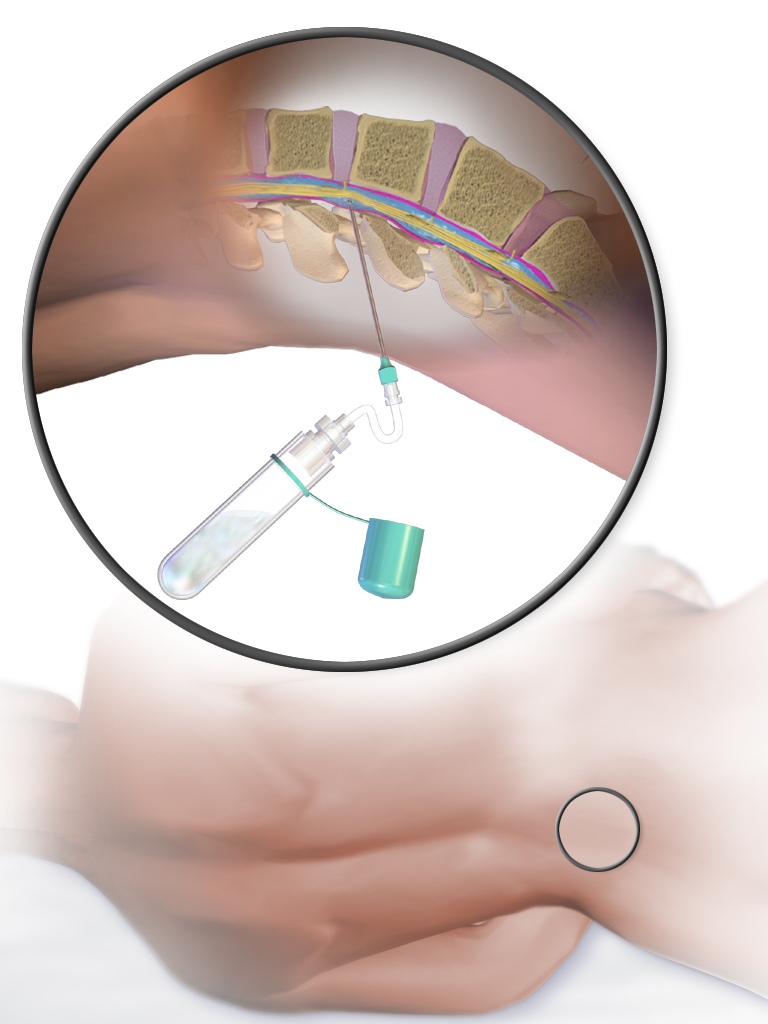
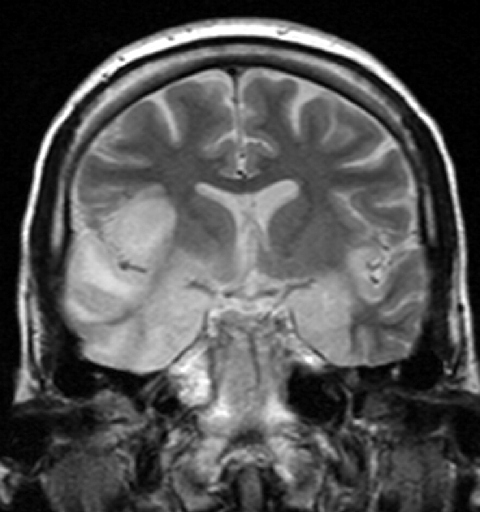
- Diagnosis commonly uses lumbar puncture (CSF analysis), magnetic resonance imaging (MRI), electroencephalography (EEG) and molecular tests (PCR) to identify pathogens or markers of inflammation.
- Treatment depends on cause: prompt antiviral therapy (for example acyclovir when herpes simplex is suspected), antibiotics for bacterial infections, and immunotherapy (steroids, IVIG, plasmapheresis) for autoimmune cases. Supportive care — airway, fluids, seizure control and intensive monitoring — is essential.
Prevention, prognosis and public health
Prevention includes vaccination (measles, mumps, varicella, and regionally available vaccines for Japanese encephalitis and tick‑borne encephalitis), vector control and early treatment of infections that can spread to the brain. Prognosis varies with cause, age and speed of treatment; some people recover fully while others have permanent neurological impairment. Global estimates indicate encephalitis is a notable cause of mortality and disability in many regions (for example an estimated 77,000 deaths worldwide in 2013), underscoring its public health importance.
For further reading on clinical management and epidemiology, consult specialized medical sources and public health guidance: inflammation overview, viral encephalitis, bacterial CNS infections, and regional advisories such as vaccine recommendations and vector control programs (pathogen control).
Related articles
Author
AlegsaOnline.com Encephalitis: causes, symptoms, diagnosis, treatment, and prevention Leandro Alegsa
URL: https://en.alegsaonline.com/art/31331
Sources
- ninds.nih.gov : "Meningitis and Encephalitis Fact Sheet"
- ncbi.nlm.nih.gov : "Global, regional, and national age-sex specific all-cause and cause-specific mortality for 240 causes of death, 1990-2013: A systematic analysis for the Global Burden of Disease Study 2013"
- doi.org : 10.1016/S0140-6736(14)61682-2
- pubmed.ncbi.nlm.nih.gov : 25530442
- nhs.uk : "Symptoms of encephalitis"
- books.google.com : Meningitis
- doi.org : 10.1093/qjmed/hcu113
- pubmed.ncbi.nlm.nih.gov : 24865261
- doi.org : 10.2174/187152611795768088
- pubmed.ncbi.nlm.nih.gov : 21488834
- ncbi.nlm.nih.gov : "Viral infection leading to brain dysfunction: More prevalent than appreciated?"
- doi.org : 10.1016/j.neuron.2009.09.023
- jnnp.bmj.com : "Viral Encephalitis: Causes, Differential Diagnosis, and Management"
- doi.org : 10.1136/jnnp.2003.034280