
Eleutherodactylidae — New World direct-developing frogs
A Neotropical frog family whose members develop directly from eggs into small frogs. Includes the large genus Eleutherodactylus and many island endemics; noted for ecological importance and conservation concerns.
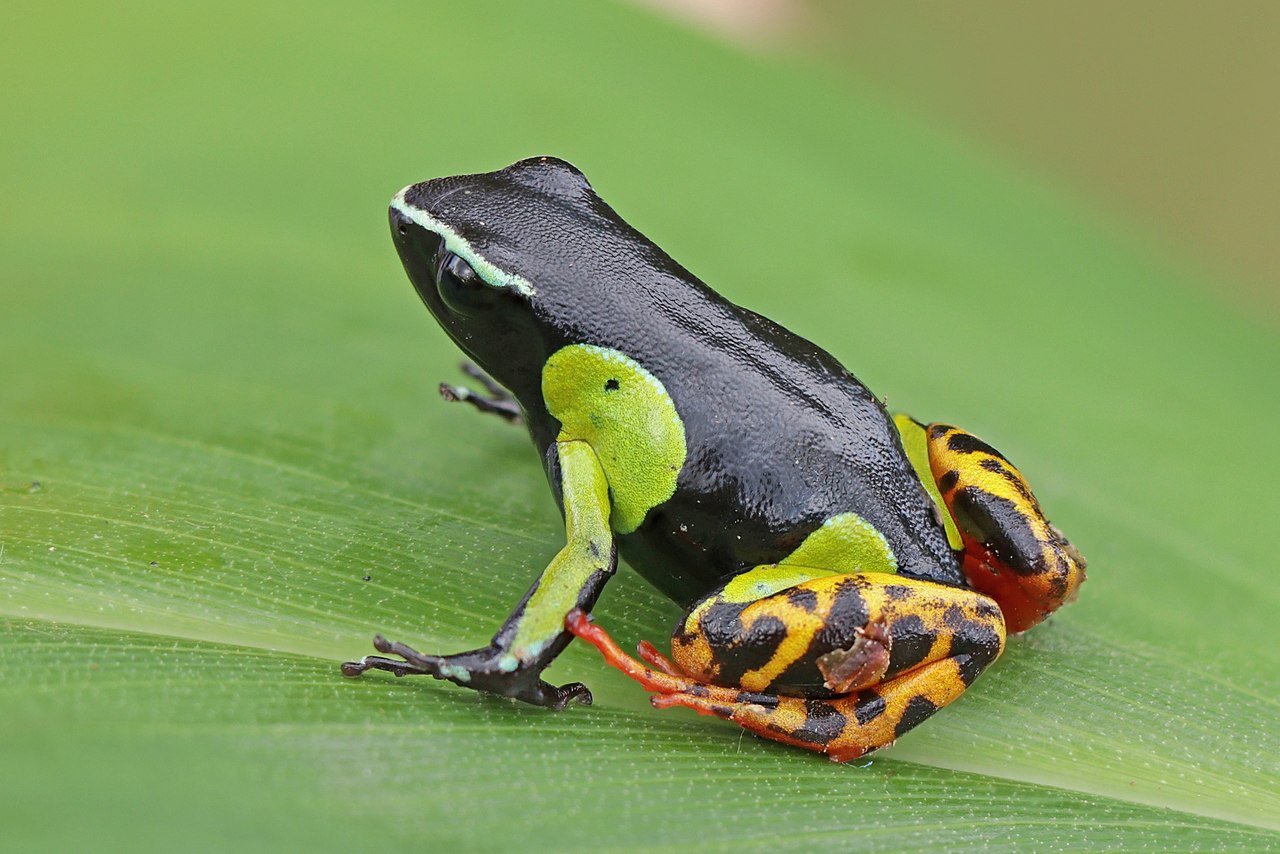
Eleutherodactylidae is a family of frogs found primarily in the tropical Americas and Caribbean islands. Members are best known for their mode of development: instead of a free-swimming tadpole stage, embryos mature inside eggs and hatch as miniature froglets. This life-history trait has allowed many species to occupy terrestrial microhabitats and diversified into a wide range of sizes and ecological niches.
Image gallery
2 Images
Characteristics
Typical features include small to moderate body size, terrestrial habits, and eggs laid in moist substrates such as leaf litter or bromeliads. Reproductive and behavioral traits vary: some species show parental care, while others rely on concealed egg-laying sites. The skull, limb proportions, and calls are useful in distinguishing species.
Distribution and habitat
Eleutherodactylids occur through Central and South America and are especially diverse in the Caribbean, where many species are island endemics. Habitats range from lowland rainforests to montane cloud forests and human-modified areas; their ability to breed without water bodies enables colonization of unusually dry or isolated sites.
Taxonomy and history
The group was long treated as a subfamily within the broad Leptodactylidae, but molecular studies in the early 21st century reorganized many neotropical frog lineages and recognized Eleutherodactylidae at family rank. The genus Eleutherodactylus is the largest and most familiar element of the family. For historical context see the family overview at family page and older placements under Leptodactylidae.
Importance, examples and conservation
Several eleutherodactylid species are ecologically important as insect predators and as indicators of forest health. The Puerto Rican coquí (Eleutherodactylus coqui) is a culturally iconic frog and an example of how a species can become invasive when transported outside its native range. Many species face threats from habitat loss, invasive species, and disease such as chytridiomycosis; numerous island endemics are of conservation concern.
- Distinctive trait: direct development (no tadpole stage)
- Typical habitats: leaf litter, understory vegetation, bromeliads
- Conservation issues: habitat destruction, disease, invasive species
Ongoing taxonomic work continues to refine species limits and relationships within the family; field surveys and molecular studies are essential for assessing their diversity and guiding conservation priorities.
Related articles
Author
AlegsaOnline.com Eleutherodactylidae — New World direct-developing frogs Leandro Alegsa
URL: https://en.alegsaonline.com/art/30793
Sources
- commons.wikimedia.org : Eleutherodactylinae