
Electronic warfare
Electronic warfare (EW) is the use of electromagnetic and directed energy techniques to detect, degrade, deny or exploit enemy use of the electromagnetic spectrum in military operations.
Overview: Electronic warfare (EW) encompasses methods and systems that use the electromagnetic spectrum to support military objectives. It includes actions to sense signals, interfere with or deny an opponent’s sensors and communications, and protect friendly capabilities. EW operates across a range of domains and platforms, from aircraft and ships to satellites and ground vehicles. EW often integrates with broader military operations and a variety of techniques to achieve tactical and strategic advantage.
Image gallery
7 Images

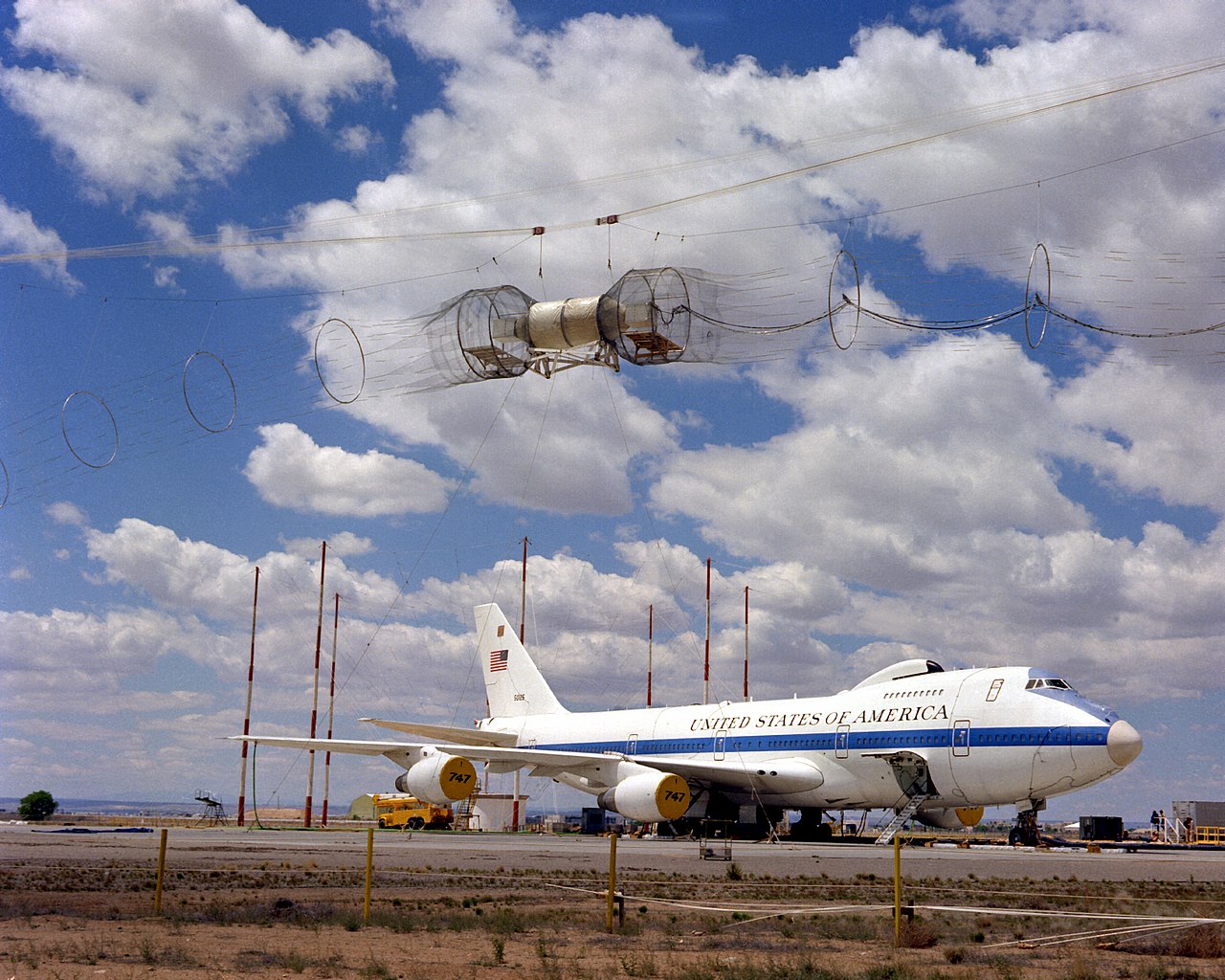


Components and common methods
Contemporary EW is commonly divided into three functions: electronic attack (EA), electronic protection (EP), and electronic support (ES). EA refers to offensive measures such as jamming, spoofing, or employing weapons designed to home in on enemy emitters. EP covers measures to reduce vulnerability, for example frequency hopping, shielding, and emission control. ES is the passive collection of electromagnetic signals to provide intelligence, targeting, or warning. Typical methods include noise jamming, deceptive jamming, radar suppression, signals intelligence (SIGINT), and cyber-electromagnetic activities.
Examples and platforms
Systems range from portable jammers to sophisticated airborne and naval suites. Some weapons aim specifically at enemy sensors: anti-radiation missiles are designed to target emitting systems. Examples of such weapons include the AGM-45 Shrike and the AGM-88 HARM, which were developed to suppress hostile radar. EW also targets communication links, and informs aerial reconnaissance and other ISR missions (aerial reconnaissance) by detecting and locating emitters.
History and development
EW concepts date back to early radio use in warfare, evolving dramatically with radar and microwaves in the 20th century. During World War II and afterward, signals intelligence and cryptanalysis became integral to EW—for example, Allied efforts to decode German encrypted traffic contributed to operational advantage. As electronics and computing advanced, EW tools moved from analog jammers to software-defined, networked systems capable of precise, adaptive responses to adversary emissions.
Applications, limitations, and notable facts
EW supports force protection, suppression of enemy air defenses, battlefield management, and intelligence collection. It can be used to blind or confuse sensors, degrade command-and-control, or protect friendly communications. However, EW can be complex to coordinate: jamming may also disrupt civilian systems; countermeasures and low-probability-of-intercept techniques reduce effectiveness; and legal or strategic considerations can constrain use. EW overlaps with cyber operations and often requires careful rules of engagement.
Techniques, countermeasures, and related considerations
- Offensive: noise and deceptive jamming, spoofing, anti-radiation missiles (missiles), and directed-energy attacks.
- Defensive: emission control, spread spectrum and frequency hopping, signal encryption, and hardening of sensors and radar jamming resilience.
- Supportive: signals intelligence, electronic surveillance, and integration with ISR and cyber tools to interpret the electromagnetic environment.
Electronic warfare is a continually evolving discipline that blends engineering, intelligence, and doctrine. It remains a critical element of modern military capability, influencing the design and deployment of sensors, weapons, and communications in peacetime and conflict alike. For further reading, consult specialist texts and official doctrine sources available through defense publishers and institutional repositories (military doctrine, technical manuals, reconnaissance reports, study papers, weapon briefings, radar analyses, communications guides).
Related articles
Author
AlegsaOnline.com Electronic warfare Leandro Alegsa
URL: https://en.alegsaonline.com/art/30755