
Radar jamming: methods, history, and operational uses
Radar jamming is the deliberate transmission or deployment of signals or materials to degrade radar performance. This article explains types, techniques, history, uses, and countermeasures.
Radar jamming is the deliberate interference with radar systems to degrade their ability to detect, track or identify objects. It can work by raising the background noise floor, creating false echoes, or concealing real returns. Jamming is implemented by emitting energy, deploying reflective materials, or using electronic devices to replicate or alter expected radar echoes.
Image gallery
5 Images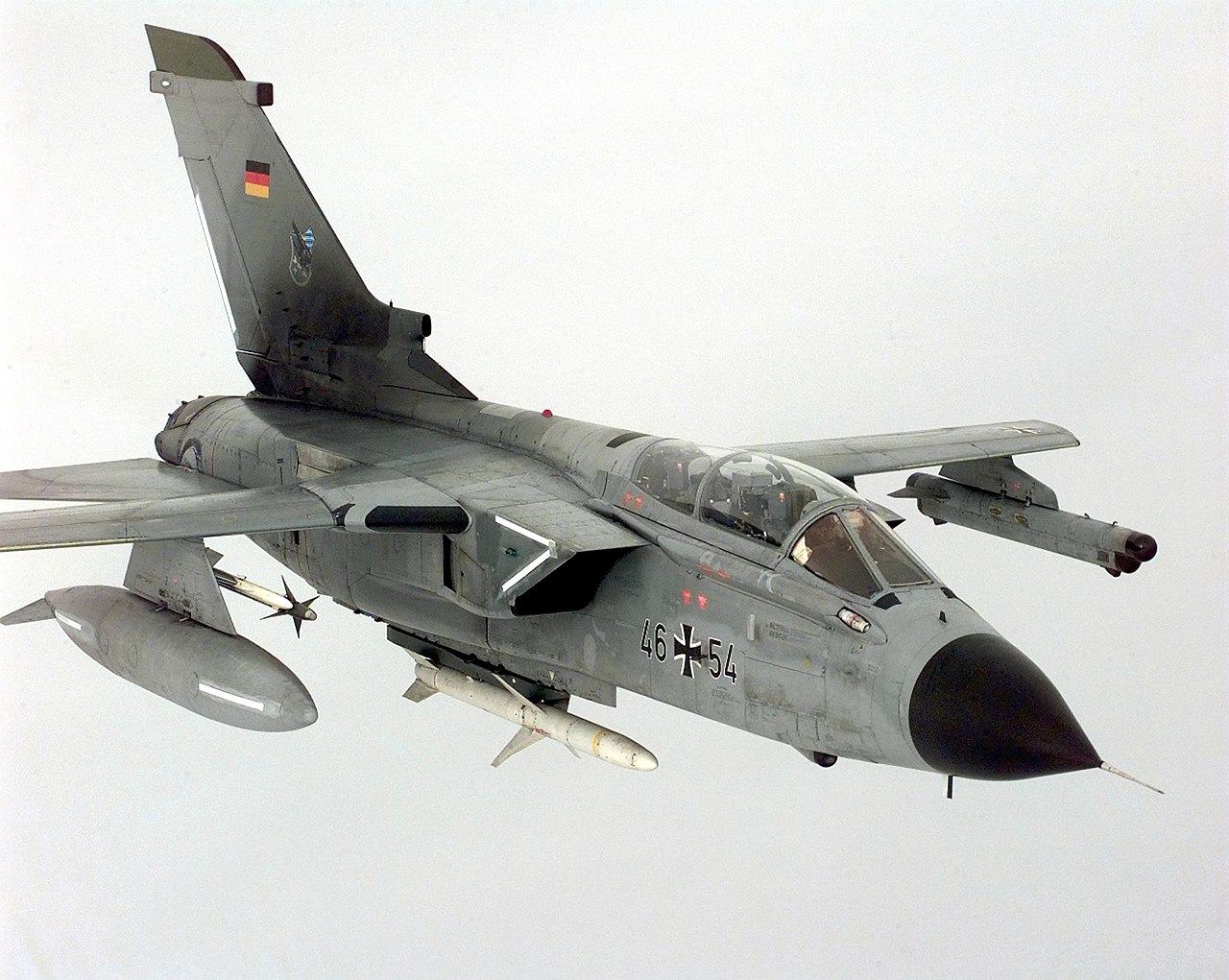


How jamming affects radar
A radar receiver distinguishes real targets from background by detecting returning signals at specific frequencies and timings. By injecting distracting energy or misleading returns, a jammer forces the receiver to misinterpret or miss those returns. Some jamming simply overwhelms the sensor with broadband noise; other methods feed plausible but deceptive information so the radar displays false objects or incorrect ranges and velocities.
Main categories and techniques
Jamming approaches fall into two broad categories: mechanical and electronic. Mechanical methods use physical objects or platforms to alter radar reflections, while electronic methods transmit radio-frequency energy to manipulate the receiver.
- Mechanical jamming — examples include chaff (clouds of small metallic strips), corner-reflector decoys and towed reflectors that create multiple or enlarged echoes to confuse tracking.
- Electronic jamming — includes noise jamming (broadband energy to mask returns), deceptive jamming (repeater or digital radio frequency memory systems that replay modified echoes), and smart techniques that aim energy selectively.
Examples, uses and historical notes
Early large-scale use of mechanical techniques occurred in major conflicts where aircraft and ships released reflective materials to break up enemy radar tracks. Since then, electronic jamming hardware and signal-processing methods have grown more sophisticated, with airborne, shipborne and ground-based systems employed to suppress air defenses, protect strike aircraft, or shield forces during maneuver. Jamming is also used in training and testing, and in unlawful contexts—civilian jammers can disrupt air traffic or communications and are often regulated.
Countermeasures and modern relevance
Radar and electronic-warfare designers respond with electronic counter-countermeasures (ECCM): frequency agility, pulse compression, adaptive filtering, monopulse angle tracking, and other digital techniques reduce vulnerability to simple jammers. Advances in digital processing, low-probability-of-intercept waveforms, and sensor fusion (combining radar with infrared or other sensors) make effective jamming more challenging, but the interplay between jammers and countermeasures remains a core area of military research and procurement.
For more technical introductions and authoritative overviews, see resources on radar fundamentals and electronic warfare: radar basics, radar systems, and specialized treatments of mechanical countermeasures and electronic countermeasures. Further reading on signal processing and operational examples can be found through advanced texts and military doctrine primers referenced at signal theory and electronic warfare.
Related articles
Author
AlegsaOnline.com Radar jamming: methods, history, and operational uses Leandro Alegsa
URL: https://en.alegsaonline.com/art/80721