
Electronic sports (esports): competitive video gaming
Overview of esports — the organized, competitive play of video games, its history, genres, professional structures, major tournaments, and cultural significance.
Overview
Electronic sports, commonly called esports, refers to organized, competitive play of video games by individuals or teams. Matches are contested on a variety of platforms and formats, ranging from local area network (LAN) events to global online leagues run over the internet. Esports covers many game genres — first-person shooters, real-time strategy, multiplayer online battle arenas and battle royales among them — and has grown into a commercial and spectator phenomenon with professional players, coaches and dedicated training.
Image gallery
10 Images



Characteristics and components
Competitive video games are selected for balance, spectator clarity and competitive depth. Some well-known titles that have driven the scene include Counter-Strike, League of Legends, Dota 2, Quake, Warcraft and modern entries like Fortnite and Valorant. A typical esports ecosystem contains organizers, teams, players, broadcasters, sponsors and fans. Competitive structures vary: single elimination, round robin, best-of series and league seasons are all common. Matches may be staged live in arenas or streamed to millions online.
History and development
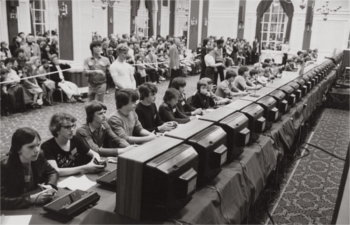
Competitive gaming traces back to arcade scoreboards and early networked competitions, but the modern esports era began with the adoption of organized leagues and televised or streamed events. South Korea played a pivotal role in popularizing professional esports — notably with titles such as StarCraft — where televised matches and team houses helped build star players and fan followings. Over time, commercial leagues, specialized media channels and streaming platforms expanded international visibility and investment.
Major tournaments, leagues and economics
Esports features both independent tournaments and structured leagues. Notable organizations and events have included the Cyberathlete Professional League, Electronic Sports League and the World Cyber Games, among many regional and publisher-run competitions. Prize pools can be substantial: some tournaments distribute millions of dollars in rewards and player salaries are paid by professional teams, sponsors and franchise systems. Publishers also fund competitive ecosystems; for example, the maker of Fortnite announced a sizable competitive fund in recent years to support events and players, and individual tournaments or circuits are often highlighted in the mainstream press for their prize money and viewership figures (prize funds).
Uses, importance and cultural impact
Esports functions as entertainment, a career path and a marketing channel. It attracts viewers via live events and streaming platforms, supports merchandise and sponsorship deals, and offers pathways into coaching, broadcasting and game development. Universities and high schools have adopted varsity or club teams, and some national sports bodies recognize esports as organized competition. Esports also fosters communities around shared gameplay and fandom, while driving technological and production advances in live broadcasting.
Distinctions, controversies and notable facts
Esports differs from traditional sports in its reliance on software rules defined by publishers, rapid game updates and electronic distribution. This creates distinctive governance questions: who controls competitive rules, how to ensure fairness, and how to manage player contracts and transfers. There have also been concerns about burnout, match-fixing, and accessibility. Nevertheless, the scene remains diverse and evolving, with independent grassroots circuits sitting alongside large publisher-backed leagues and influential international events featuring games such as video games that appeal to global audiences.
Examples and resources
- Popular competitive titles: Counter-Strike, League of Legends, Dota 2, Quake, Warcraft.
- Notable ecosystems: professional leagues, independent tournaments and publisher circuits such as those run by major developers and organizers.
- Further reading and event pages: league sites, tournament archives and industry reports are commonly cited; see publisher and organizer pages for official rules and schedules (game pages, prize and funding announcements).
For those interested in following or participating, local clubs and online ladders are common entry points; aspiring professionals typically combine focused practice, structured coaching and participation in amateur tournaments to advance. The esports field continues to grow in scale and diversity while adapting to changing technology and player communities.
Related articles
Author
AlegsaOnline.com Electronic sports (esports): competitive video gaming Leandro Alegsa
URL: https://en.alegsaonline.com/art/30753