
Ellis Park Stadium (Coca‑Cola Park)
Major multi-purpose sports stadium in Johannesburg, South Africa, known for rugby and football matches and historic events including the 1995 Rugby World Cup final and matches in the 2010 FIFA World Cup.
Overview
Ellis Park, often referred to by its sponsored name Coca‑Cola Park, is a prominent multi-purpose stadium in central Johannesburg. It serves as a venue for rugby union, association football and large public events. The ground is one of South Africa's best-known sports arenas and is commonly associated with major domestic and international fixtures.
Image gallery
6 Images



History and development
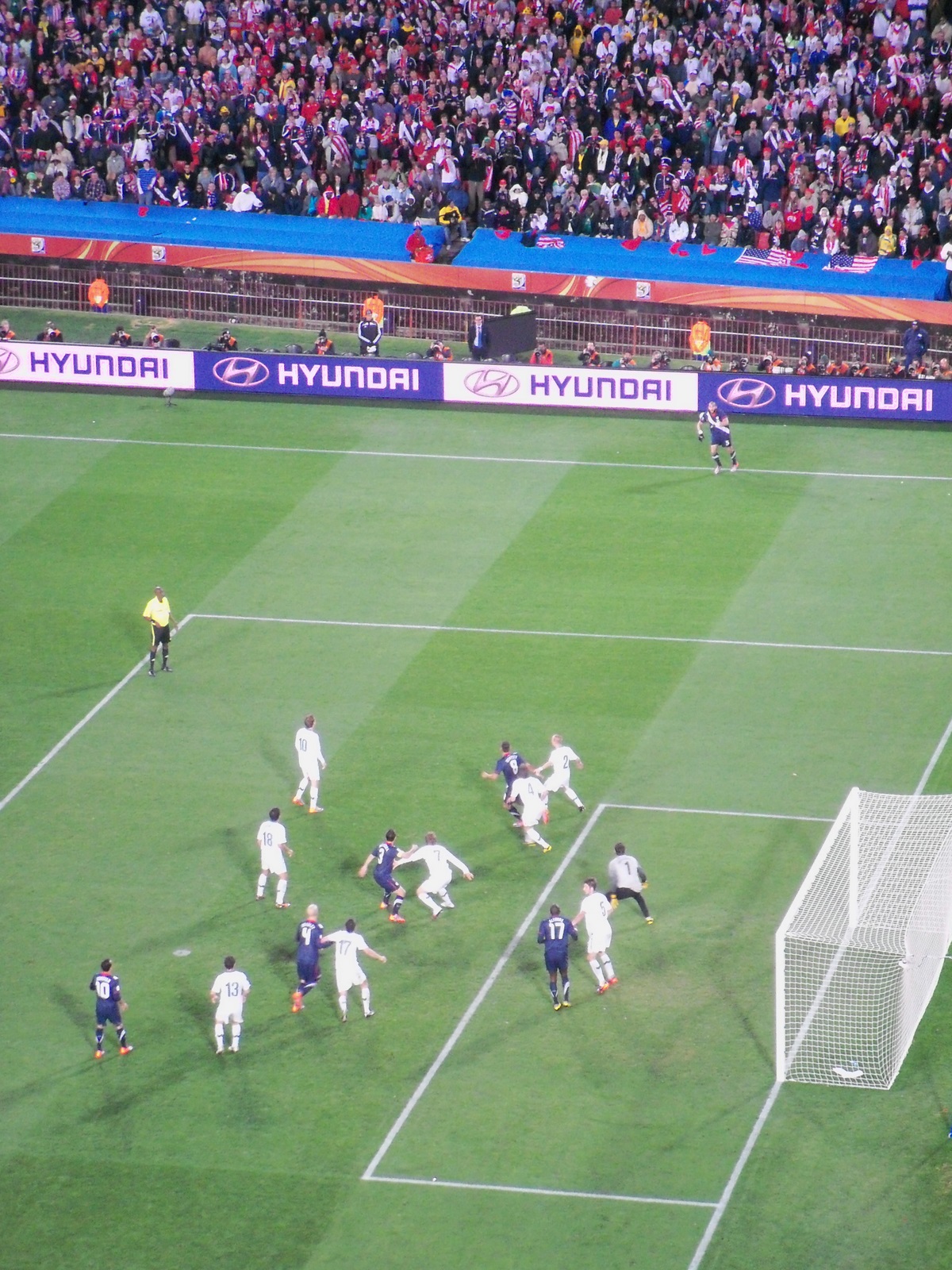
The stadium dates from the 20th century and has been progressively updated to meet modern safety, comfort and broadcasting requirements. It acquired global recognition when it staged the final of the 1995 Rugby World Cup, a tournament of wide historical and sporting significance. Ahead of the 2010 FIFA World Cup, the venue underwent substantial upgrades to meet FIFA standards and to host several World Cup matches.
Design and features
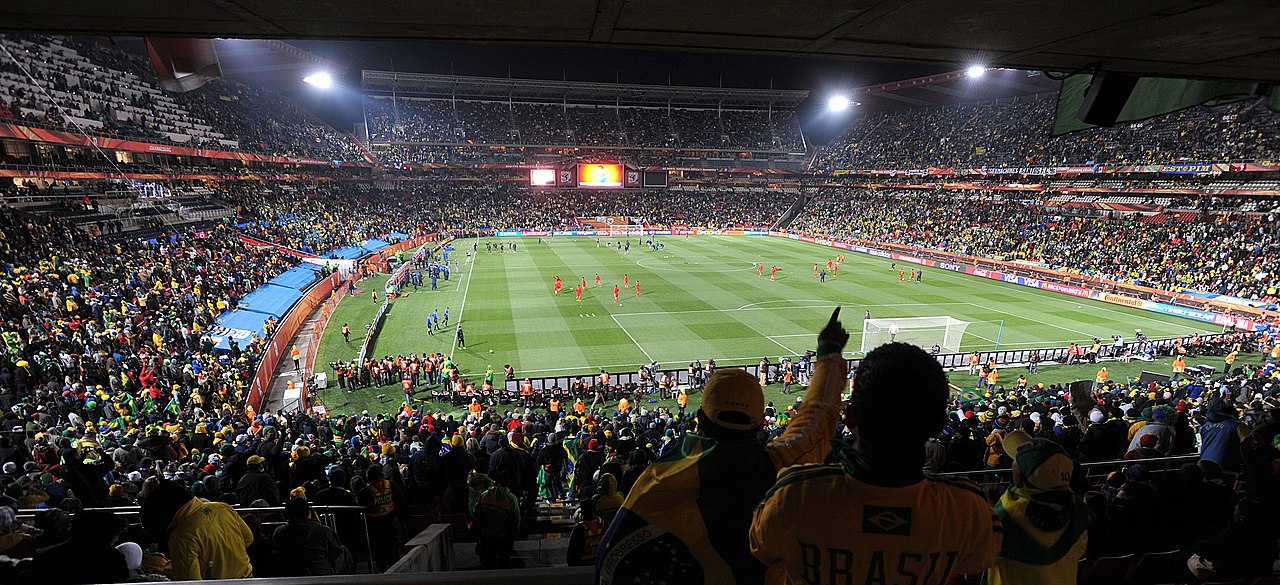
Ellis Park is designed as a bowl-shaped stadium with seating surrounding the pitch to provide clear sightlines. It offers a seated capacity of around 60,000 spectators, corporate boxes, player facilities and media accommodations. The configuration supports both rectangular-pitch sports and large-scale concerts, with infrastructure for lighting, broadcast and crowd control.
Uses and notable events
The stadium regularly hosts domestic rugby and football fixtures, regional competitions and occasional international matches. Its best-known moments include the 1995 Rugby World Cup final and several matches staged during the 2010 FIFA World Cup. It has also been used for concerts and civic events that require a large central venue.
Legacy and distinctions
Ellis Park remains an important sporting landmark in South Africa, symbolizing the country’s presence on the international sporting stage. Its combination of history, capacity and urban location makes it a frequent choice for high-profile fixtures and cultural gatherings. Though names and sponsors have changed over time, the stadium’s reputation as a national sports icon endures.
Related articles
Author
AlegsaOnline.com Ellis Park Stadium (Coca‑Cola Park) Leandro Alegsa
URL: https://en.alegsaonline.com/art/30972