
Counter-Strike
Counter-Strike is a seminal team-based first-person shooter that began as a Half‑Life mod and evolved into a competitive multiplayer franchise with a persistent economy, objective-based rounds, and a large esports community.
Overview
Counter-Strike is a team-oriented first-person shooter originally released as a standalone product by Valve Corporation on November 9, 2000. The game was first published for Microsoft Windows and later appeared on other platforms, including the Xbox and versions for OS X and Linux. It pits two opposing teams — terrorists and counter‑terrorists — against one another in short rounds that end when a mission is completed or an entire team is eliminated.
Image gallery
3 Images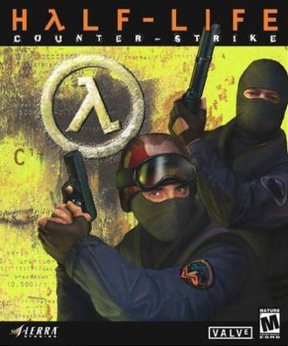

Core gameplay and systems
The structure of a match is round‑based. At the start of each round players purchase weapons and equipment with in‑game money earned from kills, completed objectives, and round results. This economy creates tactical decisions between rounds: whether to buy powerful weapons, save for future rounds, or purchase team utility. Typical round objectives include planting or defusing a bomb, rescuing hostages, or protecting/killing a designated VIP. A round also ends if one side is eliminated.
Modes, maps and notable features
Counter‑Strike popularized a few distinct mission types and map layouts. Common categories include:
- Bomb defusal: attackers try to plant a bomb at a site while defenders prevent or defuse it.
- Hostage rescue: defenders reach and extract hostages held by attackers.
- VIP escort/elimination: one side protects a VIP while the other attempts to neutralize them.
Maps are typically symmetric or balanced to encourage skill and strategy; some, such as Dust2, have become cultural touchstones within the shooter community. The game is most often played online by connecting to a dedicated server, but local servers and private matches remain popular for practice and events.
Origins and development
Counter‑Strike began as a player modification for the Half‑Life engine, created by modders who later worked with Valve to turn the mod into an official release. Early updates and community maps helped the title mature into the classic version often referred to as Counter‑Strike 1.6. Valve later produced new entries in the series that modernized graphics, networking, and matchmaking while preserving the core round‑based, team gameplay.
Community, competition and legacy
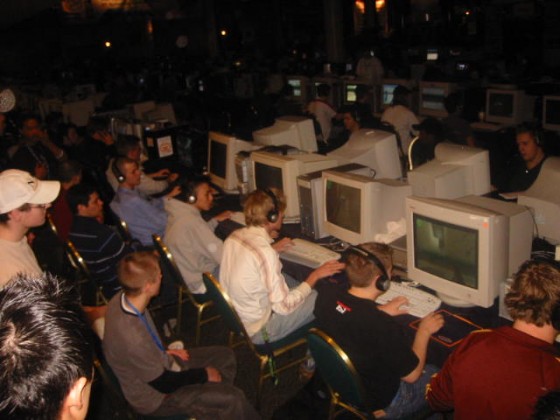
Beyond casual play, Counter‑Strike became a foundation for competitive gaming. Its emphasis on precise shooting, tactical movement, map knowledge, and team coordination made it a staple of esports tournaments and leagues. A robust modding scene, custom maps, and community servers extended the game's lifespan; many players credit Counter‑Strike with shaping modern tactical shooters and multiplayer design patterns.
Distinguishing characteristics
Counter‑Strike is notable for its blend of simplicity and depth: individual rounds are easy to understand, yet the economy system, weapon recoil patterns, grenade usage, and map control reward practice and teamwork. Its influence is visible across subsequent shooter franchises and in the persistent competitive scene that grew from community play to professional events.
Further reading: For official information and updates, consult developer resources and community archives via the links above.
Related articles
Author
AlegsaOnline.com Counter-Strike Leandro Alegsa
URL: https://en.alegsaonline.com/art/23477