
Washing machine
A household appliance that cleans textiles by agitating them with water and detergent. Covers types, components, history, common cycles, uses, maintenance, and key differences.
The washing machine is a mechanical appliance designed to remove soil, stains and odors from clothing and other textiles. Modern machines combine water, mechanical action and detergent to loosen and carry away dirt, then rinse and spin garments to remove moisture. Most machines accept fabrics of varying weight and are selectable between gentle and intensive programs to protect delicate items.
Image gallery
10 Images
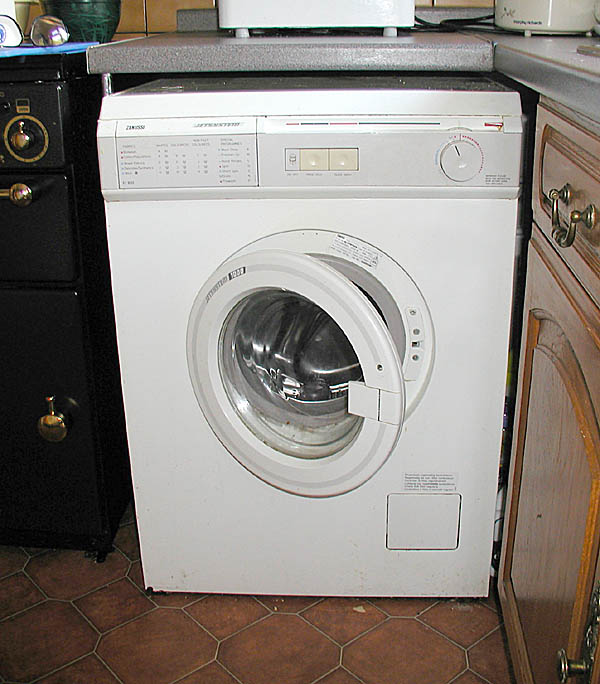


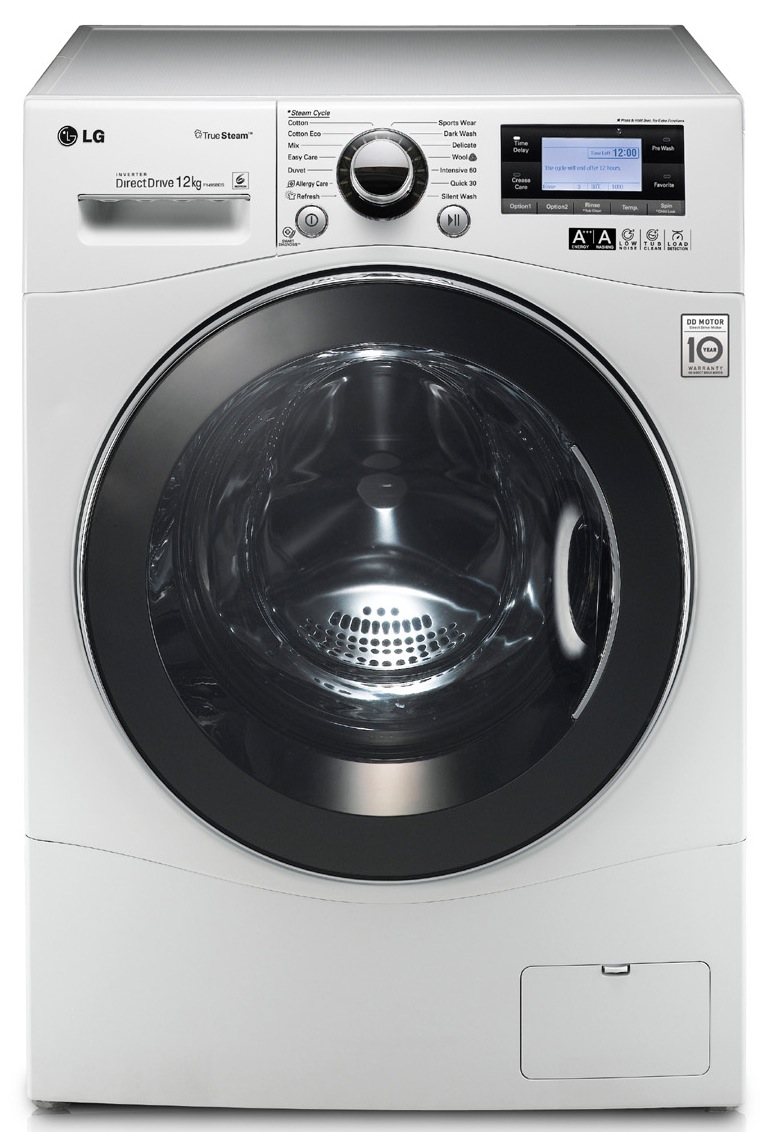


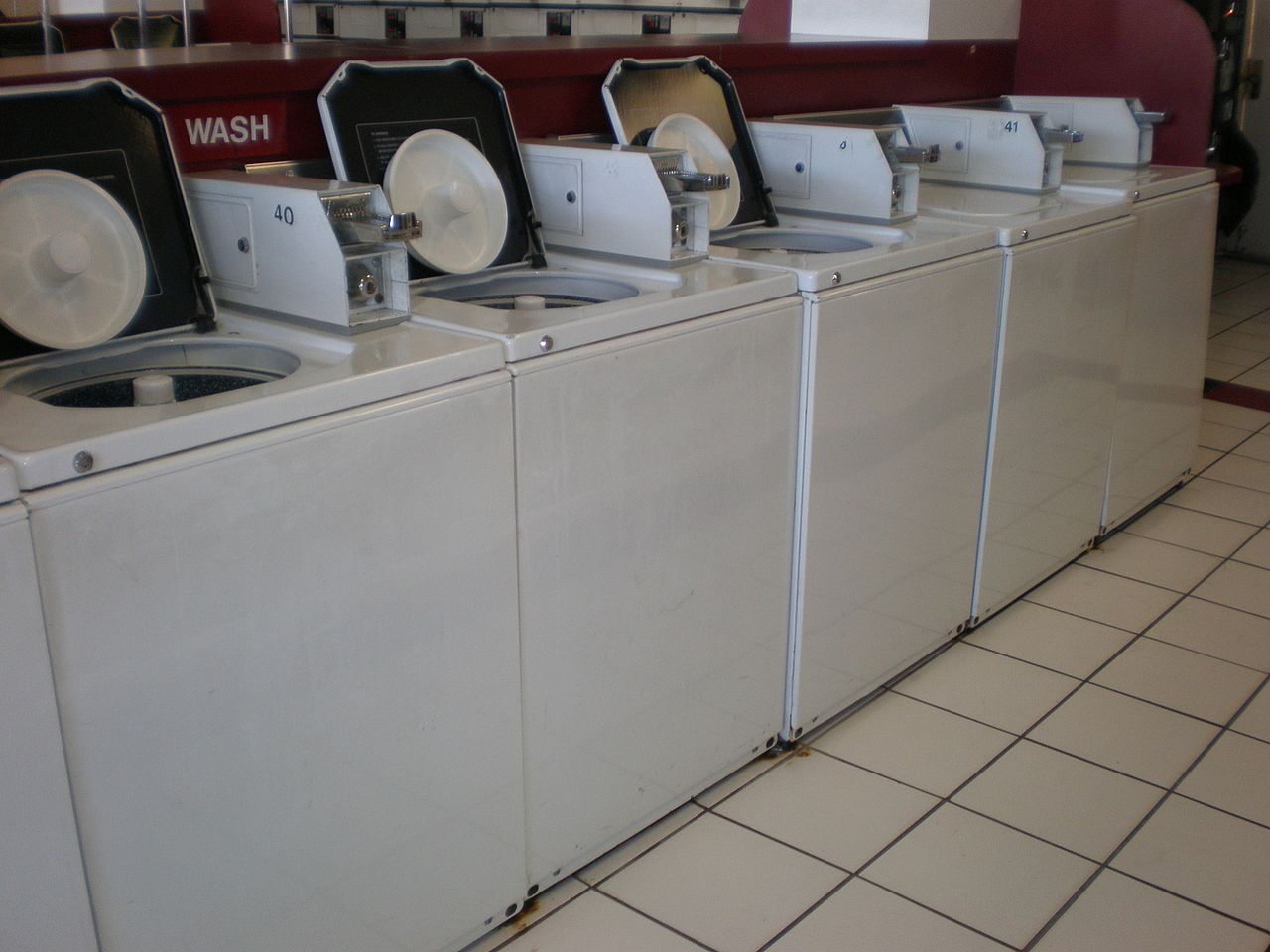
Main components and how they work
- Drum or barrel: The rotating chamber (barrel) holds clothes and water and provides the tumbling or agitation that lifts and separates items.
- Motor and transmission: Drive the drum at different speeds for washing and spinning; some designs use belts, others have direct-drive motors for quieter operation.
- Water system and pump: Fill and drain lines control water intake and removal; a pump expels wastewater after rinse cycles.
- Controls and sensors: Timers, thermostats, and sensors regulate temperature, water level, load balance and cycle length.
- Detergent dispenser: A compartment for detergent, softener and bleach so they are released at appropriate stages.
Users add laundry and detergent, then select a program. The machine fills, agitates or tumbles the load to remove dirt, rinses away residues, and spins rapidly to extract water. During the spin stage the drum is often rotated at high speed to reduce drying time.
History and development
Early laundry devices were manual and mechanical; electrically powered machines became common in homes during the 20th century. Over decades the technology shifted from simple agitators to sophisticated, energy- and water-efficient automatic machines with multiple cycle options. Recent advances include inverter motors, sensor-controlled dosing and combined washer-dryer units for compact living spaces.
Common cycles, uses and practical tips
- Typical cycles: cottons, synthetics, delicates, wool, quick wash, rinse and spin.
- Temperature choice and detergent type affect cleaning and fabric care; some detergents are formulated for cold water or delicate fabrics, others for heavy soil—liquids and powders each have advantages.
- Commercial versions are used in laundromats, hotels and healthcare settings, while household units are sized for family laundry loads.
For best results avoid overloading, follow fabric labels, use suitable detergent and periodically check inlet hoses and filters. Small maintenance tasks—cleaning the drum, dispensers and rubber seals—help prevent odors and prolong service life. When loading, separate heavily soiled items and fragile textiles to reduce wear.
While the basic purpose—washing dirty clothes—remains unchanged, form factors vary: top-loading models with vertical drum movement, front-loaders with horizontal tumbling, machines with an agitator or an impeller, and compact washer-dryer combos. Some manufacturers offer smart features and program presets to simplify care. For further specifications and buying guidance see manufacturer literature or trusted appliance reviews (more, compare, overview, care tips, parts, detergents).
Questions and answers
Q: What is a washing machine?
A: A washing machine is a machine used to wash dirty clothes.
Q: How does a washing machine clean clothes?
A: A washing machine cleans clothes by filling a barrel with water and rotating it very quickly with the use of a motor, which removes dirt from the clothes.
Q: What is added to the washing machine to clean clothes more effectively?
A: Detergent (liquids or powders) is added to the washing machine to clean clothes more effectively.
Q: How is the water removed from the washing machine?
A: The water is typically drained from the washing machine through a hose and into a drain or sewer system.
Q: Can a washing machine be overloaded with clothes?
A: Yes, a washing machine can be overloaded with clothes, which can cause damage to the machine and result in poor cleaning performance.
Q: Is it necessary to separate clothes by color before washing them in a washing machine?
A: It is recommended to separate clothes by color before washing them in a washing machine to prevent colors from bleeding onto other clothes.
Q: Can washing machines clean other household items besides clothes?
A: Some washing machines are designed to clean other household items besides clothes, such as curtains or blankets. However, it is important to check the manufacturer's instructions before attempting to clean these items in a washing machine.
Related articles
Author
AlegsaOnline.com Washing machine Leandro Alegsa
URL: https://en.alegsaonline.com/art/106665