
Eggshell: Structure, Function, and Human Uses
Eggshells are the mineralized outer coverings of many animal eggs. This article explains their structure, formation, roles in development, variations, and uses in culture, agriculture, and science.
An eggshell is the mineralized outer covering that encloses the contents of many amniote eggs. In birds and some reptiles it forms a rigid barrier, while in other species a softer or leathery layer may occur. The hard type is commonly associated with the hard-shelled egg, a key trait of terrestrial egg types that helps protect the embryo from physical damage and microbial invasion.
Image gallery
7 Images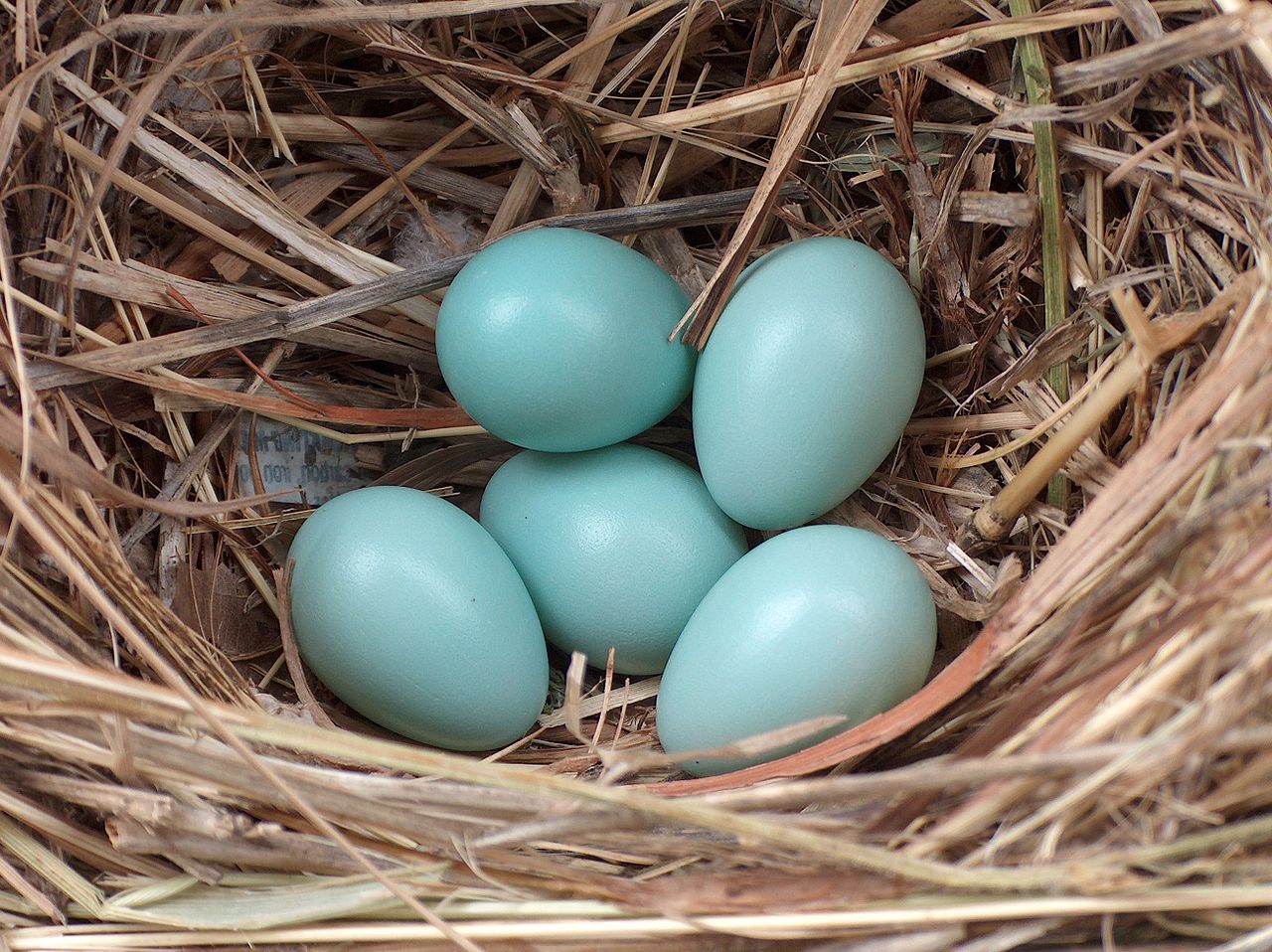


Composition and structure
Typically composed largely of calcium carbonate, an eggshell also contains an organic matrix, pigments, and a thin outer coating called the cuticle. Beneath the calcified layer are two shell membranes that surround the egg white and yolk; these membranes contribute to defense against bacteria and to structural integrity. Tiny pores penetrate the shell to allow gas exchange between the embryo and the environment.
Formation and variation
Shells form within the female reproductive tract as the egg passes through specialized regions of the oviduct. Thickness, porosity, and color vary widely among species and breeds: pigmentation produces white, brown, blue or speckled shells in birds, while reptiles and some dinosaurs produced different textures. The evolution of the cleidoic, or enclosed, egg helped enable amniotes to reproduce away from aquatic environments — see cleidoic egg and its role for amniotes.
Functions and ecological importance
Eggshells protect the embryo, regulate moisture and gas exchange, and can supply calcium to the developing animal. Variations in shell design reflect ecological pressures such as predation, humidity, and nesting habits. Porosity and coloration may be adaptations for camouflage, temperature regulation, or signaling.
Human uses and notable facts
People use eggshells for food (as whole eggs), traditional crafts, and as a crushed amendment for garden soil because of their calcium content. Shells are studied in archaeology and biology as indicators of diet, environment, and domestication. Industrial and waste-reduction efforts explore recycling shell material into supplements, fillers, or building materials.
- Layers: cuticle, calcified layer, shell membranes.
- Functions: protection, gas exchange, mineral source.
- Variations: hard vs. soft shells; color and porosity differences.
Understanding eggshells bridges developmental biology, ecology, and practical human applications. Their diversity and functional design make them a useful subject for studies of evolution, agriculture, and materials science.
Related articles
Author
AlegsaOnline.com Eggshell: Structure, Function, and Human Uses Leandro Alegsa
URL: https://en.alegsaonline.com/art/30375
Sources
- doi.org : 10.1016/j.mod.2009.02.001
- pubmed.ncbi.nlm.nih.gov : 19368796
- doi.org : 10.1079/WPS20010024
- doi.org : 10.1016/j.crpv.2004.08.002
- doi.org : 10.1590/S1516-635X2005000200001
- ict.udg.co.cu : ict.udg.co.cu