
Eastern Kurdistan (Iranian Kurdistan): geography, people, history and cultural life
Eastern Kurdistan (Iranian Kurdistan) denotes the Kurdish-inhabited areas of Iran — a mountainous cultural region with distinct languages, history, and political significance within the larger Kurdish world.
Eastern Kurdistan, often called Iranian Kurdistan, refers to the parts of Iran that are predominantly inhabited by Kurds and to the Kurdish portion of the country as understood in ethnographic and political contexts. The term is used both descriptively — to describe areas where Kurdish language and culture are dominant — and politically, by some Kurdish groups, to assert regional identity within the larger Kurdish homeland that spans several modern states.
Image gallery
6 Images
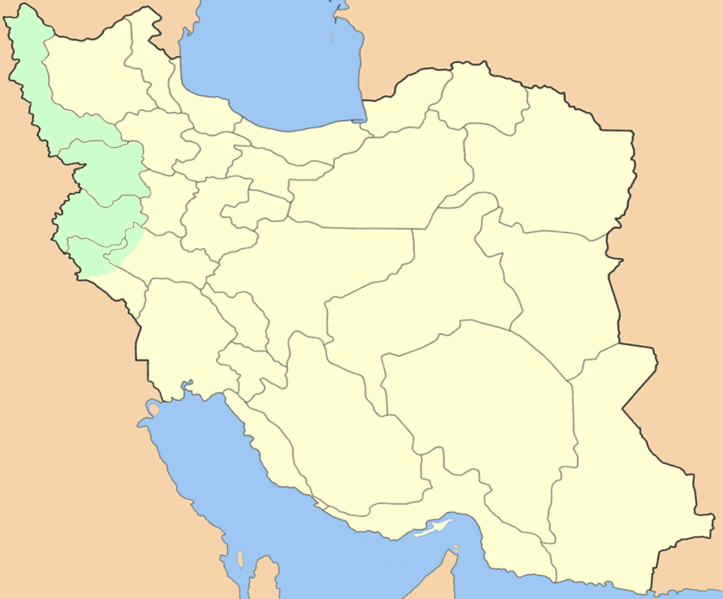


Geography and population
The region lies largely within the Zagros mountain zone of western Iran. Major administrative provinces with large Kurdish populations include Kurdistan Province and parts of West Azerbaijan, Kermanshah and Ilam provinces, though Kurdish communities also live beyond these boundaries. The terrain is mountainous and hilly, shaping local economies and settlement patterns. Kurdish dialects commonly spoken include varieties of Sorani and Kurmanji; cultural life centers on tribal, village and urban traditions.
History and political development
Kurds in this area share a long history woven into the broader history of Iran and the Middle East. Local Kurdish principalities and tribes interacted with successive Persian, Ottoman and other regional powers for centuries. In the 20th century, Kurdish political movements in Iran sought greater cultural and political rights; a brief, well-known episode was the 1946 Republic of Mahabad, a short-lived Kurdish polity established in northwestern Iran. Since then, relations between Kurdish movements and the central Iranian government have ranged from accommodation to tension.
Culture, economy and daily life
Eastern Kurdistan is rich in Kurdish cultural expression: music, oral poetry, textile crafts and seasonal festivals such as Newroz are important social markers. Economies are diverse: mixed agriculture and pastoralism remain important in rural zones, while urban centers rely on trade, services and small industry. The landscape and cultural heritage make the region distinct within the Iranian state.
Distinctive features and regional context
- Ethnolinguistic identity: Kurdish languages and customs distinguish the region within the multiethnic Iranian state.
- Administrative vs. cultural terms: "Iranian Kurdistan" can mean official provinces with Kurdish majorities or the broader cultural area inside Iran.
- Transnational ties: Eastern Kurdistan is one part of the greater Kurdish geography that also includes areas of Kurdistan across international borders, adjacent to Iraqi Kurdistan to the west.
Understanding Eastern Kurdistan means considering both on-the-ground realities — languages, livelihoods, geography — and political narratives that connect this region to a larger Kurdish cultural and political landscape. For further context about Iran and the wider Kurdish regions, see resources linked above.
Related articles
Author
AlegsaOnline.com Eastern Kurdistan (Iranian Kurdistan): geography, people, history and cultural life Leandro Alegsa
URL: https://en.alegsaonline.com/art/29762